
Last updated September 24, 2026
Free written scope consultation - allowances, timeline, and change-order rules on paper before a single trade is scheduled


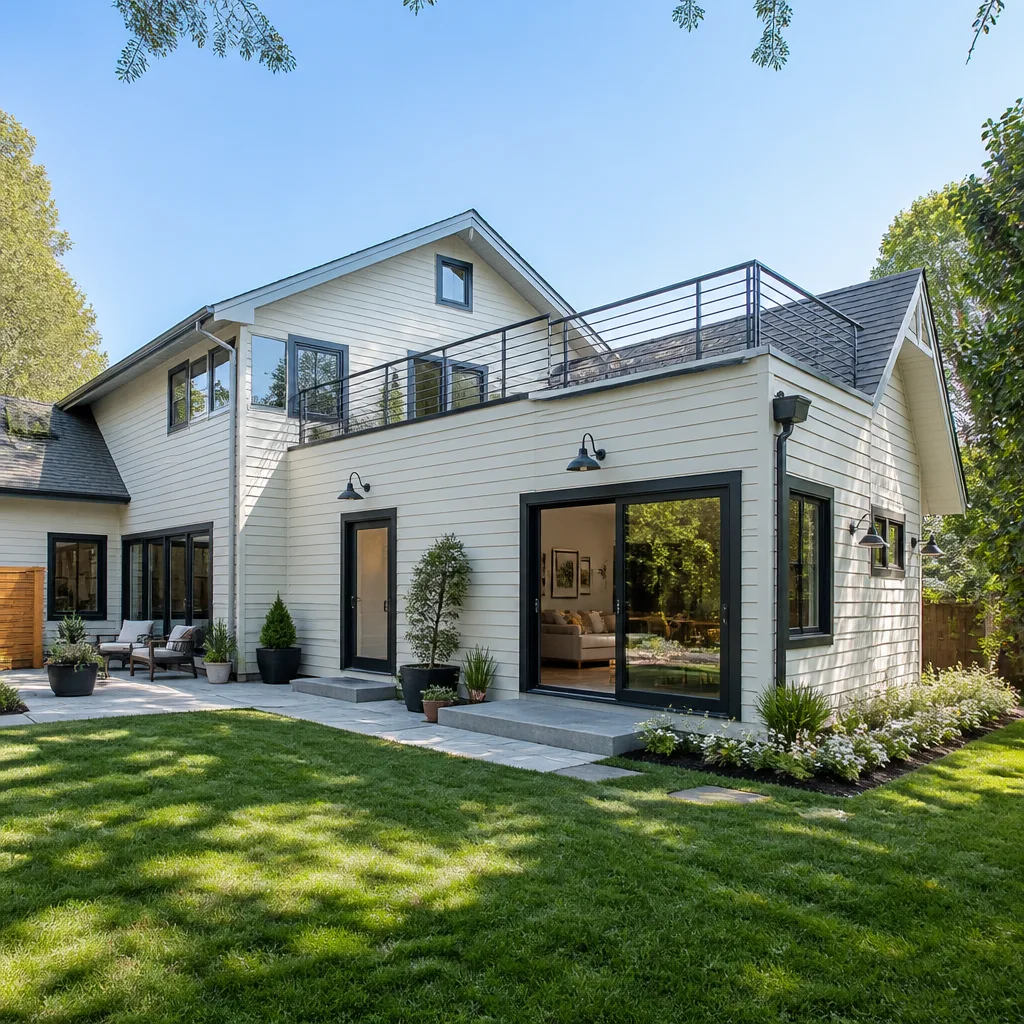

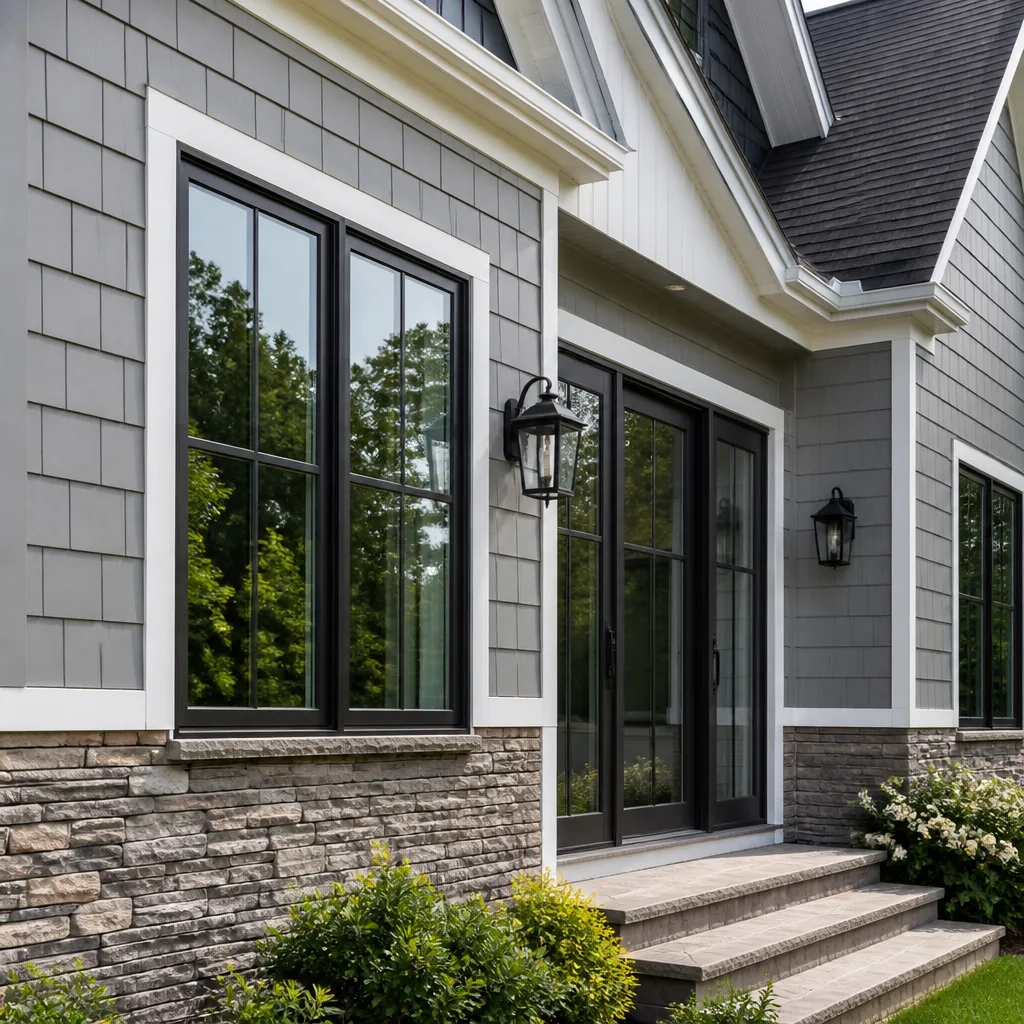
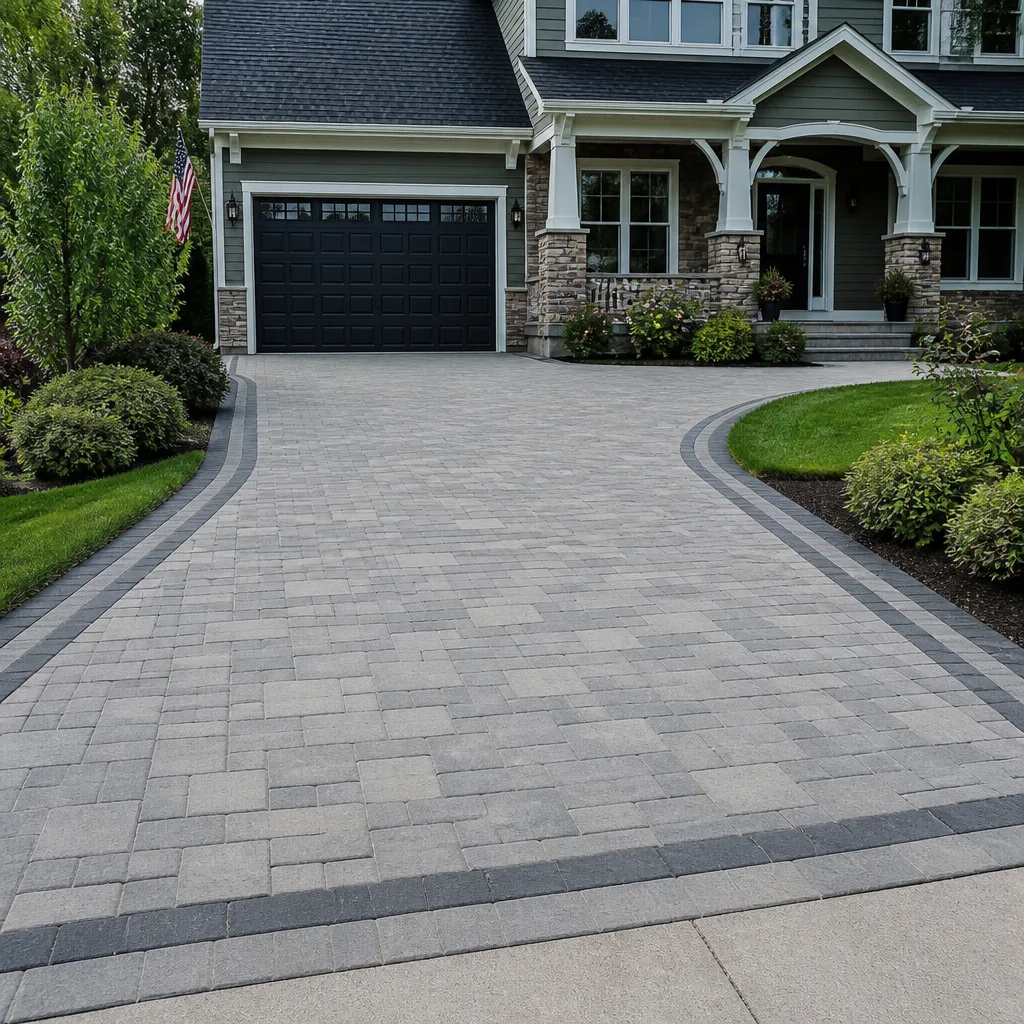

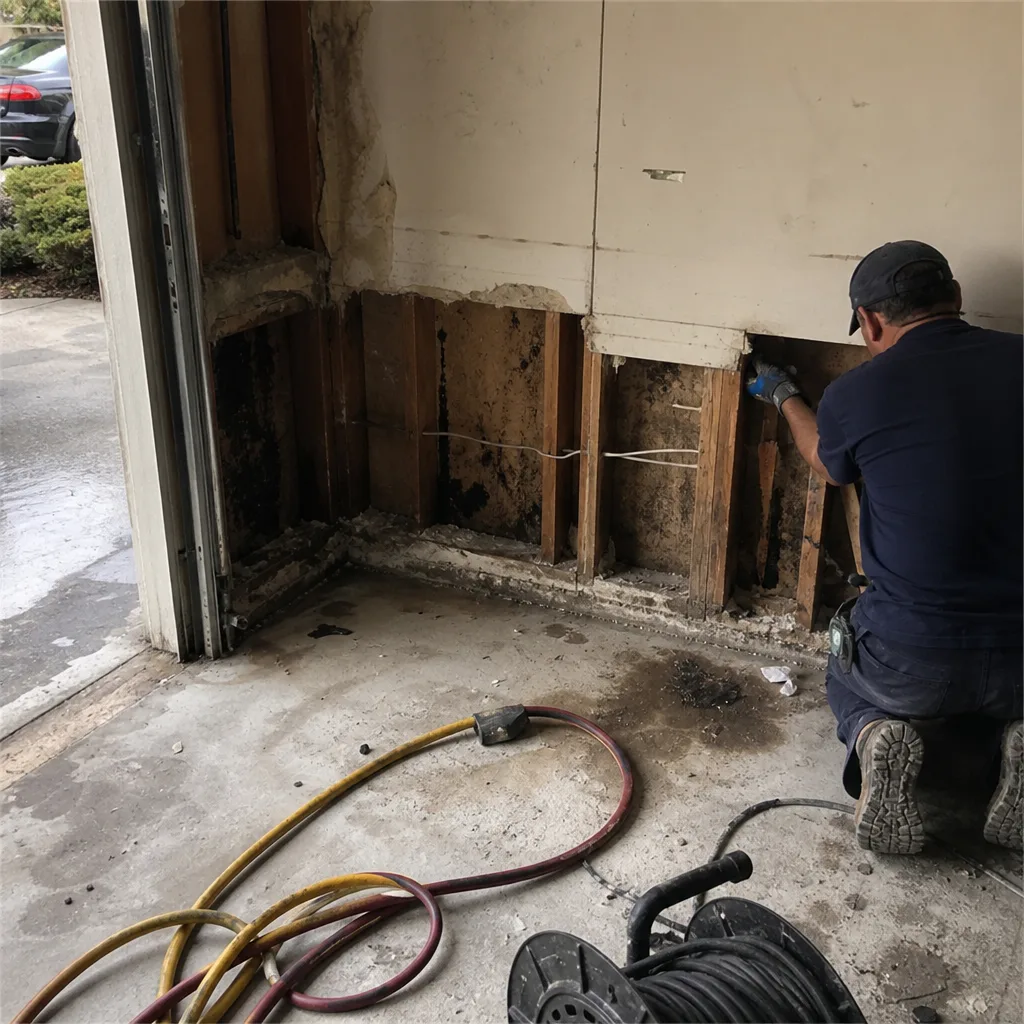 Before
 After
After Before
 After
After Before
 After
AfterSeasonal Construction Care for Anaheim: Year-Round Homeowner’s Guide
Anaheim averages fewer than 15 inches of rain per year, but roughly 80% of that total lands between December and March. That four-month concentration means your roof, gutters, and waterproofing systems shift from idle to overloaded with almost no transition. Homeowners here often skip seasonal prep because the climate feels mild, yet the Santa Ana winds, hard UV exposure, and brief but intense wet season create maintenance needs that are genuinely specific to this inland Orange County microclimate. In this guide, we’ll walk through what to inspect, when to inspect it, and what the findings mean for your budget, using Anaheim’s actual weather patterns, not generic California advice. For more guides & resources, see our blog.
Quick Answer
Seasonal construction care in Anaheim means four distinct maintenance phases: October-November wind and fire prep, December-March drainage and moisture management, April-May post-rain structural assessment, and June-September UV and thermal stress monitoring. See The Complete Guide to Construction in Anaheim for a broader project planning framework. A homeowner who follows this calendar spends roughly $1,800-$3,400 annually on proactive maintenance across roofing, exterior finishes, and drainage, versus $6,000-$15,000+ on reactive repairs after failures. The key is timing inspections to Anaheim’s compressed wet season and extended dry heat, not to a generic four-season template.
Table of Contents
- October-November: Santa Ana Wind and Fire Season Prep
- December-February: Managing Anaheim’s Compressed Wet Season
- March-May: Post-Rain Structural Assessment
- June-September: UV, Thermal Stress, and Exterior Coating Inspection
- Annual Maintenance Budget by Trade
- How to Document Findings (The Photo Record Standard)
- Common Mistakes to Avoid
- When to Call a Professional
- Frequently Asked Questions
 Before
 After
AfterOctober-November: Santa Ana Wind and Fire Season Prep
The Santa Ana winds arrive in Anaheim typically between October and January, with peak velocity events in November. These are dry, compressional winds that drop relative humidity into the single digits and sustained speeds above 25 mph, with gusts past 60 mph in canyon-adjacent neighborhoods like Anaheim Hills and Orange Park Acres. For construction and exterior systems, this is not a theoretical risk. We’ve seen roof tiles lifted in sheets, attic vent screens torn away, and exterior paint fail by adhesion loss rather than normal weathering.
Your October inspection should focus on three specific tasks:
- Roof tile re-nailing inspection. Concrete and clay tile roofs, common in Anaheim’s 1980s-2000s housing stock, rely on nails or screws at the tile head. After 15-20 years, the underlayment nail heads corrode, or the tile itself cracks at the fastener point. Walk the roof or use binoculars from the ridge line: look for tiles that shift when touched, exposed underlayment, or nail heads that have backed out. In the roofing work we handle in Anaheim, re-nailing a tile field runs $1.20-$2.40 per square foot, versus $8,000-$18,000 for full underlayment replacement after wind-driven rain intrusion.
- Attic vent screen integrity. Santa Ana winds carry embers during fire season; they also force dust and debris into attic spaces through torn screens. Inspect gable, ridge, and soffit vents for mesh separation, corrosion, or gaps larger than 1/4 inch. Replacement fire-rated mesh screens cost $40-$120 per vent installed. Missing screens during a wind event can pressurize the attic and lift insulation, creating a cleanup that costs more than prevention.
- Exterior paint adhesion assessment. South- and west-facing elevations in Anaheim chalk heavily by late September. The test is simple: run a finger across the surface. If you get a white, powdery residue but the substrate feels sound, you’re seeing normal oxidation. If the paint film peels, cracks in a pattern parallel to the substrate, or sounds hollow when tapped, adhesion is failing. Repainting a failing elevation before wind exposure costs $2.50-$4.50 per square foot for two coats on stucco. Waiting until wind strips it to bare substrate adds $1.50-$2.00 per square foot in prep.
October is also when to clear gutters of summer debris. Anaheim’s liquidambar and sycamore trees drop heavily in late September, and a clogged gutter during the first December storm overflows directly against the foundation. Downspout extensions should terminate 6-10 feet from the foundation on flat lots, or discharge to a French drain on sloped Anaheim Hills properties where grade directs water toward the structure.
December-February: Managing Anaheim’s Compressed Wet Season
Anaheim’s rainfall pattern is extreme in its concentration. The city sees roughly 12 of its 15 annual inches between December and March, with January alone often delivering 3-4 inches. For context, that’s more January rain than San Francisco, despite Anaheim’s reputation as the drier location. The problem for homeowners is that systems that functioned through eight dry months are suddenly load-tested without warning.
Your December inspection targets drainage, not just roofing. Here’s the sequence we use:
- Site grading inspection. Soil around the foundation should slope away at 6 inches of fall per 10 feet of horizontal distance. In Anaheim’s flat neighborhoods near the Platinum Triangle or Katella corridor, settling and hardscape installation often reverse this grade toward the house. Fill soil runs $35-$65 per cubic yard delivered; regrading a compromised zone with compacted fill and new irrigation avoidance is $800-$1,800 for a typical 1,500-square-foot footprint.
- Downspout extension distances. Measure from the discharge point to the foundation. Six feet is the functional minimum on clay-heavy Anaheim soils; ten feet is better where space allows. If extensions terminate at the foundation, January saturation can trigger slab edge dampness that mimics plumbing leaks. Extensions are $15-$40 in materials; correcting slab moisture damage starts at $2,500.
- Window and door weep hole clearing. Modern vinyl and aluminum windows have small drainage slots at the sill track exterior. These clog with dust, paint, or stucco overspray. In a rain event, water that should exit through the weep hole backs into the track and across the sill. A paperclip or compressed air clears most; replacement of water-damaged sill trim runs $200-$500 per opening. Check sliding door tracks too, they clog faster due to debris load.
- Stucco drainage plane verification. Weep screed, the perforated metal strip at the base of stucco walls, must be visible and unobstructed. Landscaping mulch, soil, or hardscape often buries it. The screed allows moisture that penetrates the stucco to drain rather than wick into the framing. Exposing a buried weep screed is simple maintenance; repairing framing rot from long-term wicking is $4,000-$12,000 depending on extent.
During this window, also inspect your HVAC condensate line. Anaheim’s winter humidity spikes, though brief, can overwhelm a partially clogged line and trigger attic or closet flooding. The line should discharge visibly; if you can’t find the termination point, it’s worth locating before you need to.
March-May: Post-Rain Structural Assessment
By late March, Anaheim’s rain window is closing. This is the critical inspection period, because moisture that entered in January is now revealing itself as the structure dries. The goal is distinguishing cosmetic from structural concerns before the dry season makes them invisible again.
Stucco crack survey with defined thresholds. Walk the exterior with a flashlight at oblique angles to the wall. Cracks fall into three categories:
- Hairline, random pattern: Less than 1/16 inch width, no displacement, no staining. These are thermal and shrinkage movement in normal range. Monitor annually; photograph for comparison.
- 1/16 inch to 1/8 inch, linear or at corners: Potential structural movement. Measure with a crack monitor or simple ruler; if width changes seasonally, you have active differential settlement. In Anaheim’s older neighborhoods like the Colony or West Anaheim, this often traces to original footings on uncompacted fill or tree root desiccation.
- Greater than 1/8 inch, with step displacement or rust staining: Structural concern requiring professional evaluation. The 1/16 inch threshold is the practical dividing line we’ve used across 4,000-plus projects: below it, document and monitor; at or above it, investigate.
Interior signals matter too. Baseboard separation from flooring, drywall cracks at door corners, and sticking doors that appeared since December suggest foundation movement accelerated by seasonal moisture change. Anaheim’s expansive clay soils, particularly in the hills and near the Santa Ana River channel, swell with winter rain and shrink through summer, creating a yearly cycle that stresses slab and stem-wall foundations differently.
March is also when to inspect roofing from the interior. Enter the attic on a sunny morning and look for light penetration at penetrations, plus any new staining on rafters or sheathing. By May, these marks may have faded enough to miss; in March they’re still legible evidence of winter intrusion.
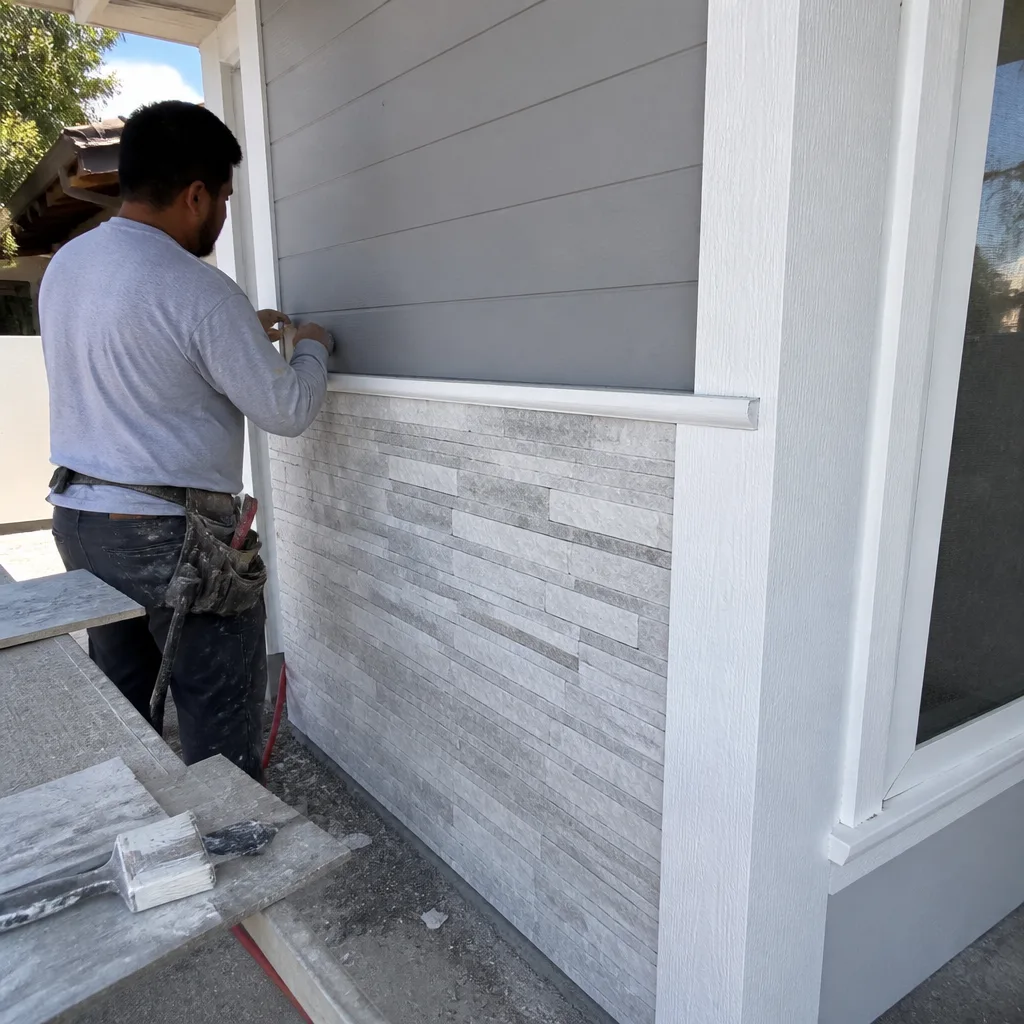
For kitchen and bathroom renovations in Anaheim, this window is optimal for exterior wall work. The risk of rain intrusion during open-wall construction is minimal, and stucco or siding repairs cure properly in the moderate temperatures before summer heat arrives.
June-September: UV, Thermal Stress, and Exterior Coating Inspection
Anaheim records 280-plus sunny days annually, with June through September delivering the highest UV index and greatest thermal amplitude. South- and west-facing walls can see surface temperatures exceeding 140°F on August afternoons, while nighttime lows drop into the 60s. That daily expansion and contraction cycles every material on the exterior.
Exterior coating inspection intervals: Not all elevations age at the same rate. We recommend:
- South-facing: Inspect every 18-24 months for chalking, checking, and elastomeric failure. These elevations degrade roughly 40% faster than north-facing in Anaheim’s climate.
- West-facing: Every 24-30 months; afternoon sun is intense but shorter in duration than southern exposure.
- North- and east-facing: Every 36-48 months unless tree cover creates moisture retention issues.
The distinction between chalking and cracking matters for timing. Chalking, the powdery surface oxidation of acrylic or elastomeric coatings, is normal weathering. It indicates the coating is sacrificing itself to protect the substrate. Cracking, particularly alligatoring or parallel-to-substrate patterns, means the film has lost elasticity and is no longer accommodating thermal movement. Chalking can be power-washed and recoated; cracking requires removal to sound substrate, adding $1.50-$3.00 per square foot in prep.
James Hardie fiber-cement siding, increasingly specified in Anaheim for fire resistance and UV stability, should be inspected for caulk joint failure at trim intersections. The material itself is stable; the paint and sealant are the maintenance items. Re-caulking perimeters and repainting every 10-15 years maintains the warranty and appearance.
Roofing in this season means checking for thermal cycling damage: lifted shingles, cracked tile, and separated flashing. The attic should be ventilated sufficiently that sheathing temperature stays within 15°F of ambient; excessive heat buildup accelerates shingle degradation and increases cooling load. Ridge vent continuity, soffit intake clearance, and gable vent balance are the checks. In roofing projects across Anaheim, we find 30% of attics have blocked soffit vents from insulation overfill, a condition that costs nothing to correct but adds years to roof life.
Pool equipment and outdoor kitchens, heavily used in Anaheim summers, need their own inspection: gas line flex connectors at barbecues, GFCI function on outdoor circuits, and expansion joint integrity in concrete or paver decks. Thermal expansion in 100°F temperature swings cracks rigid materials that were fine in spring.
Annual Maintenance Budget by Trade
Proactive maintenance spending in Anaheim, timed to this calendar, prevents the emergency repairs that dominate competitor call logs. For detailed cost analysis, see our Construction Cost Breakdown: The Anaheim Homeowner’s Reference for 2026. Here’s a realistic annual reserve estimate for a 2,000-square-foot home built between 1980 and 2010:
| Trade / System | Annual Proactive Maintenance | Typical Reactive Repair if Deferred |
|---|---|---|
| Roofing (tile re-nail, flashing, seal) | $400-$800 | $3,500-$12,000 |
| Exterior finishes (stucco repair, paint touch-up, caulk) | $600-$1,200 | $2,500-$8,000 |
| Drainage (grading, gutters, downspouts, drains) | $300-$600 | $2,000-$6,000 |
| HVAC (coils, filters, condensate, duct seal) | $250-$500 | $1,500-$5,000 |
| Plumbing (pressure test, water heater flush, leak check) | $200-$400 | $1,200-$4,000 |
| Windows/doors (weatherstrip, hardware, weep holes) | $150-$300 | $800-$2,500 |
| Hardscape (paver joint sand, concrete seal, expansion joints) | $200-$400 | $1,500-$4,500 |
| Total Annual Reserve | $2,100-$4,200 | $13,000-$42,000 cumulative exposure |
These are maintenance figures, not replacement reserves. A full roof replacement in Anaheim runs $12,000-$28,000 depending on tile type and access; exterior repaint of a full stucco home is $6,000-$12,000. The annual maintenance line items above extend those intervals and preserve the documented condition that supports resale value in Anaheim’s competitive market.
Under Clause 1 of the Haven Standard, Rowan Construction Group Anaheim delivers a written price before any work starts on any of these trades. The quote is flat, with scope and warranty in writing, because “call for a quote” is not an option here.
How to Document Findings (The Photo Record Standard)
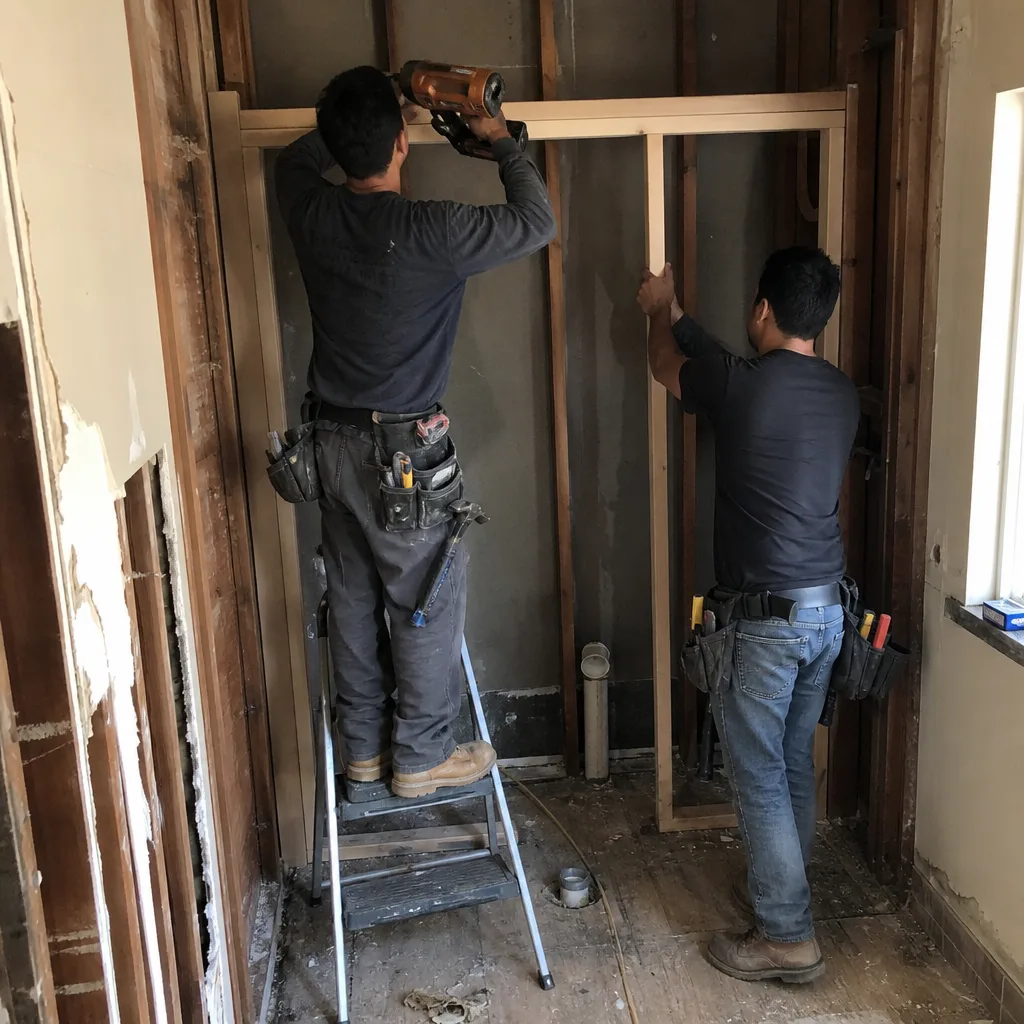
Every inspection finding should be recorded photographically with date, location, and orientation. This is not excessive; it is the standard we include on every visit, because memory degrades and buyer’s remorse thrives on ambiguity.
Your minimum documentation set:
- Wide context shot. Stand back far enough to show the building face or roof section, with a landmark visible. This prevents later confusion about which elevation or slope.
- Detail shot with scale reference. Include a coin, ruler, or known object for crack width, hole size, or material thickness. A quarter is 0.955 inches; useful for quick estimation.
- Location metadata. Enable GPS tagging on your phone, or note the address and elevation. For rental properties or future sale, this creates a defensible maintenance history.
- Written note with date. “South elevation, second-floor window left of center, crack at sill corner, 1/32 inch, no displacement, photo 3/15/2025.” Compare to the same note in 2026.
The photo record we deliver on every Rowan visit follows this protocol, stored in the customer’s project file with cloud backup. When a homeowner in Anaheim’s Eichler or ranch neighborhoods sells, this documentation transfers as evidence of care, often recovering its cost in reduced buyer negotiation.
For bathroom renovations in Anaheim, pre-construction photo documentation is particularly valuable. Original conditions, substrate moisture readings, and plumbing rough-in locations, all photographed, prevent disputes about whether a condition was pre-existing or construction-caused.
Common Mistakes to Avoid
- Assuming “mild climate” means no maintenance. Anaheim’s climate is mild in average terms but extreme in concentration and amplitude. The dry season is longer and more UV-intense than most of California; the wet season is brief but can deliver 2 inches in 24 hours. Average weather is not your weather on the day something fails.
- Waiting for visible interior damage. By the time a ceiling stains or baseboard swells, the exterior has been compromised for months or years. The inspection schedule in this guide is designed to catch conditions before they propagate to visible interior damage.
- Using generic national maintenance calendars. Advice timed to four equal seasons does not apply. October wind prep and December drainage focus are specific to Anaheim’s Mediterranean-adjacent pattern. A calendar that says “clean gutters in April” misses Anaheim’s September leaf drop entirely.
- Ignoring stucco cracks below 1/8 inch without documentation. The 1/16 inch threshold exists because cracks narrower than this rarely indicate structural movement, but they should still be photographed and dated. Without documentation, you cannot distinguish stable from progressive conditions.
- Repainting over failing substrate without identification. Chalking paint can be recoated; cracking paint cannot. Painting over cracking without addressing the adhesion failure wastes money and extends the underlying problem. The finger test and tap test described above take 30 seconds and prevent this error.
- Neglecting attic inspection because access is inconvenient. Anaheim’s truss-framed attics with scuttle or pull-down access are inspectable in 15 minutes. The conditions visible there, roof leaks, vent blockages, insulation displacement, are among the most consequential and least expensive to address if caught early.
- Skipping professional evaluation for active crack patterns. Seasonal width change in a crack is structural movement, not cosmetic. The cost of a structural engineer’s opinion ($500-$1,200 in Anaheim) is minor compared to the value of knowing whether your foundation requires intervention or monitoring.
When to Call a Professional
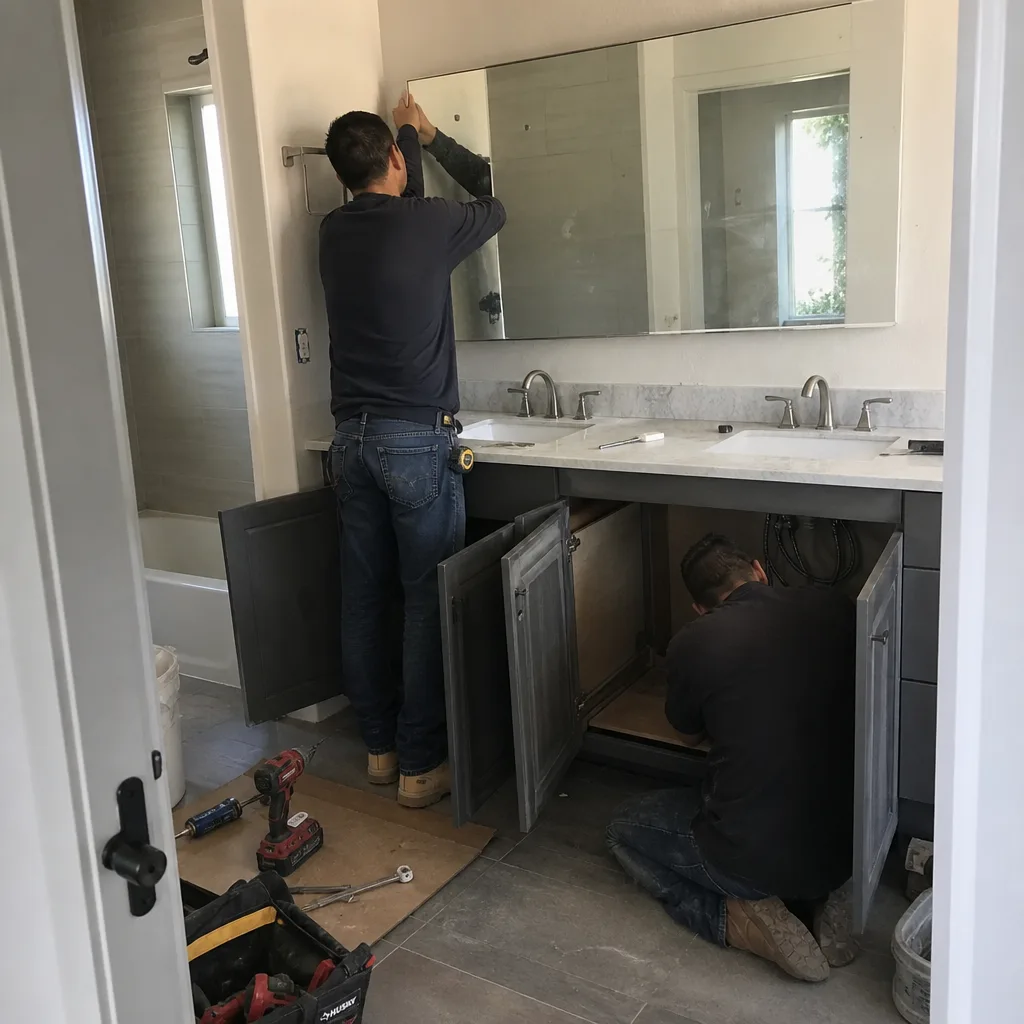
Some conditions exceed homeowner inspection scope. Call a licensed contractor or specialist when you find: roof leaks or stained sheathing that indicate active water intrusion; stucco cracks at or above 1/8 inch with displacement or rust staining; foundation movement patterns that include sticking doors, separated trim, or sloping floors; electrical or gas concerns during outdoor kitchen or equipment inspection; or any condition where your documentation shows progression year over year. For regulatory context, review Construction Permits, Codes & Inspections in CA: What You Need to Know.
Rowan Construction Group Anaheim offers free estimates for any of these concerns. We also provide a Free Second Opinion on any written estimate you’ve received from another contractor, reviewed line by line at no charge. Every project is quoted with a flat written price and written scope before work begins; no change proceeds without a signed change order. Call (562) 245-4592 to schedule your free estimate.
Frequently Asked Questions
Proactive seasonal maintenance for a typical Anaheim home runs $1,800-$3,400 annually across roofing, exterior finishes, drainage, and mechanical systems. This preserves systems and prevents reactive repairs that commonly range from $6,000 to $15,000 or more. Call (562) 245-4592 for a line-item estimate on your specific property - estimates are free.
Inspect twice yearly: October before Santa Ana winds arrive, and March after the rain season ends. The October inspection targets tile fastening and vent integrity for wind resistance; the March inspection checks for leak evidence while stains are still visible. Anaheim’s compressed wet season makes March timing critical; delay into May and winter damage evidence fades.
Sustained winds above 25 mph with gusts past 45 mph stress aging tile fastening and flashing. The National Weather Service issues wind advisories at these thresholds. If your roof is 20-plus years old or has visible lifted tiles, have a professional inspection before the season; re-nailing costs $1.20-$2.40 per square foot, versus full replacement after failure.
Measure the width. Cracks below 1/16 inch with no displacement or staining are typically cosmetic thermal or shrinkage movement. Cracks at or above 1/16 inch, particularly if widening seasonally or accompanied by rust staining, indicate potential structural movement requiring professional evaluation. Photograph and date all cracks for comparison.
South- and west-facing elevations in Anaheim benefit from 100% acrylic or elastomeric coatings with UV resistance ratings above standard specifications. The 280-plus annual sunny days and 140°F surface temperatures accelerate oxidation. James Hardie pre-finished siding or premium elastomeric systems carry longer warranties specifically for high-UV inland climates. Repaint intervals should be 25-40% shorter on south-facing walls than the manufacturer specifies for national average conditions.
At Rowan Construction Group Anaheim, no. Under Clause 1 of the Haven Standard, the written price is delivered before any work starts, every time. No change proceeds without a signed change order. This discipline has kept projects within a few percent of the agreed price across 4,000-plus jobs since 2007. Call (562) 245-4592 for your written estimate.
A thorough exterior and attic inspection for a 2,000-square-foot Anaheim home takes 90-120 minutes. Documentation adds 30 minutes. The investment of two hours, twice yearly, prevents the emergency calls that disrupt schedules and cost multiples of proactive care. We schedule these inspections with the same crew continuity that builds familiarity with your property’s specific conditions.
The Bottom Line
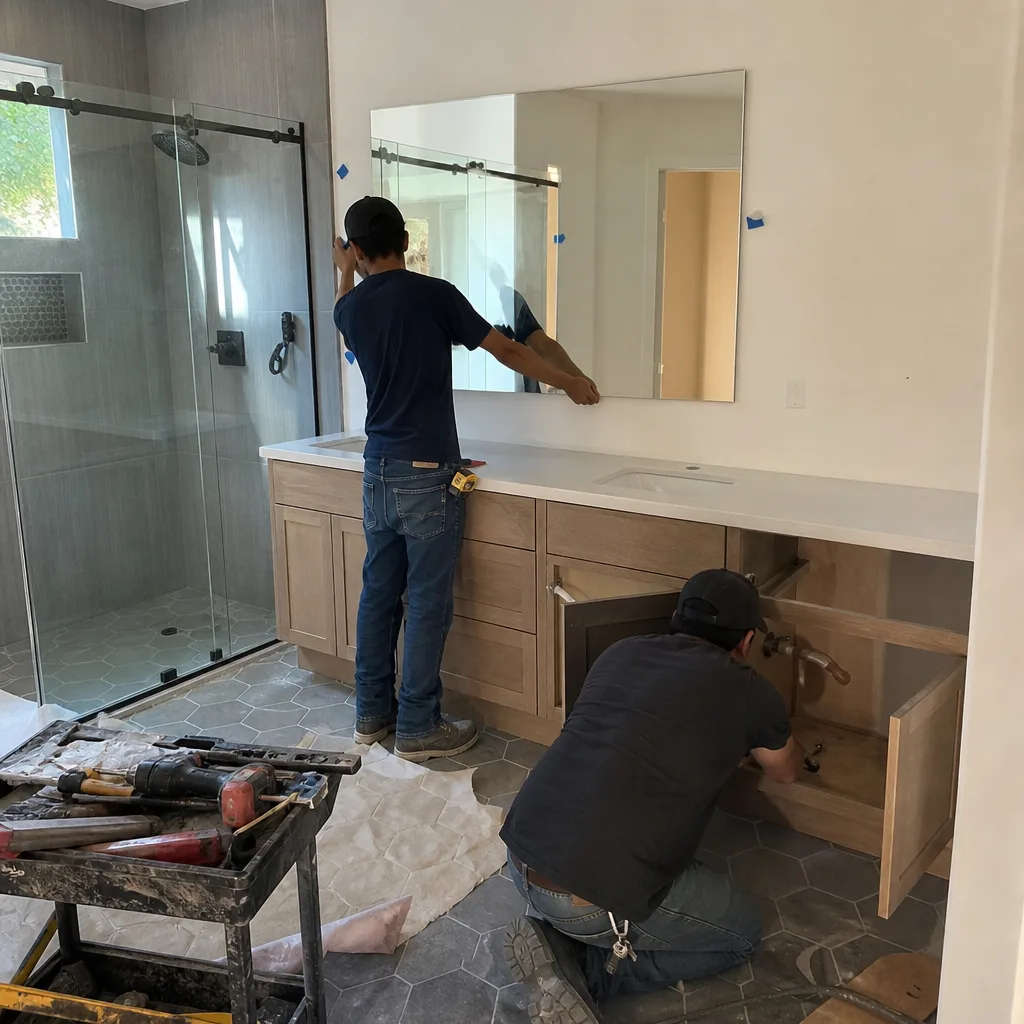
Anaheim’s climate rewards the homeowner who respects its concentrations: the brief but intense wet season, the dry Santa Ana wind events, and the extended UV exposure that degrades materials year-round. The maintenance calendar in this guide assigns specific tasks to specific months, with dollar thresholds for decision-making and a 1/16-inch crack standard that separates watch from act. The annual investment of roughly $2,000-$4,000 in proactive care, documented photographically, prevents the $10,000-$40,000 exposure of deferred maintenance in a market where homes are already purchased at premium prices. The discipline is not complicated; it is consistent.
Written by Grant Rowan, Owner at Rowan Construction Group Anaheim, serving Anaheim since 2007.