
Last updated September 24, 2026
Free written scope consultation - allowances, timeline, and change-order rules on paper before a single trade is scheduled
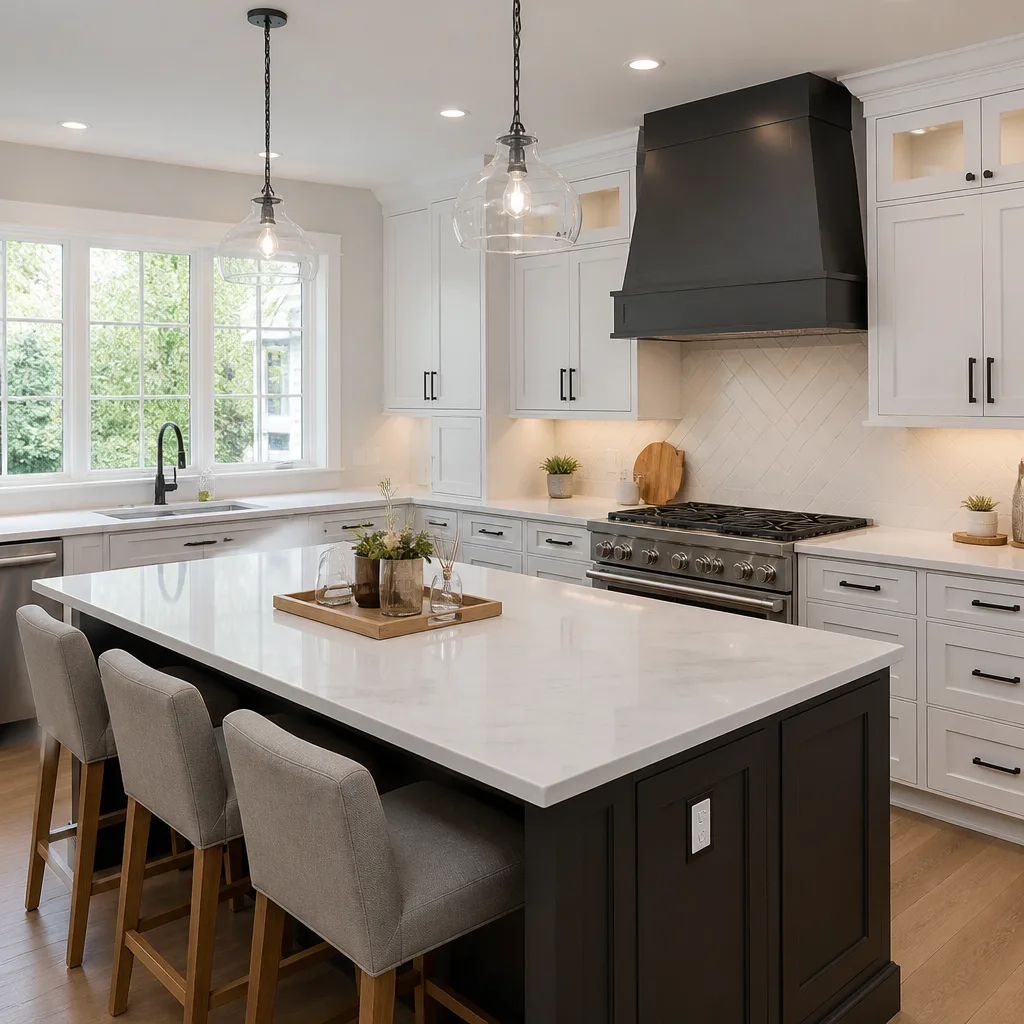
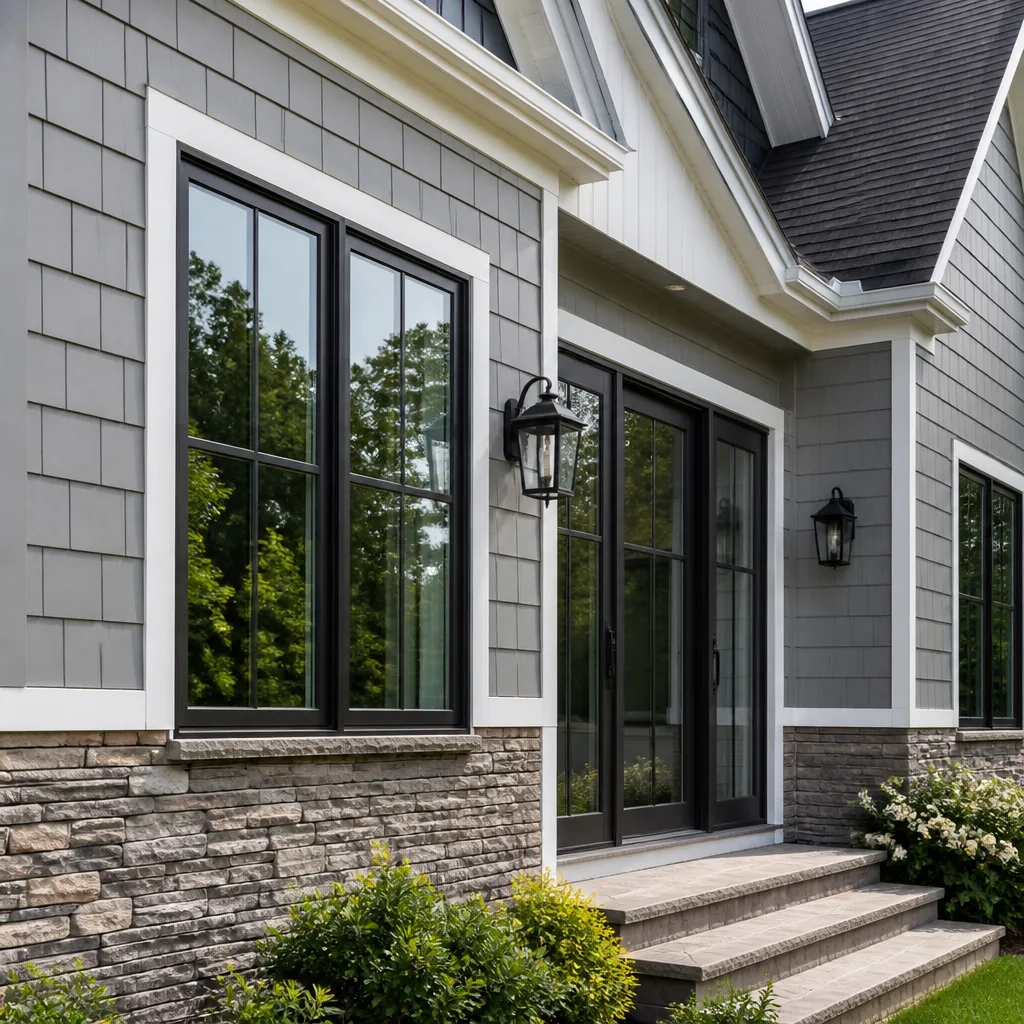
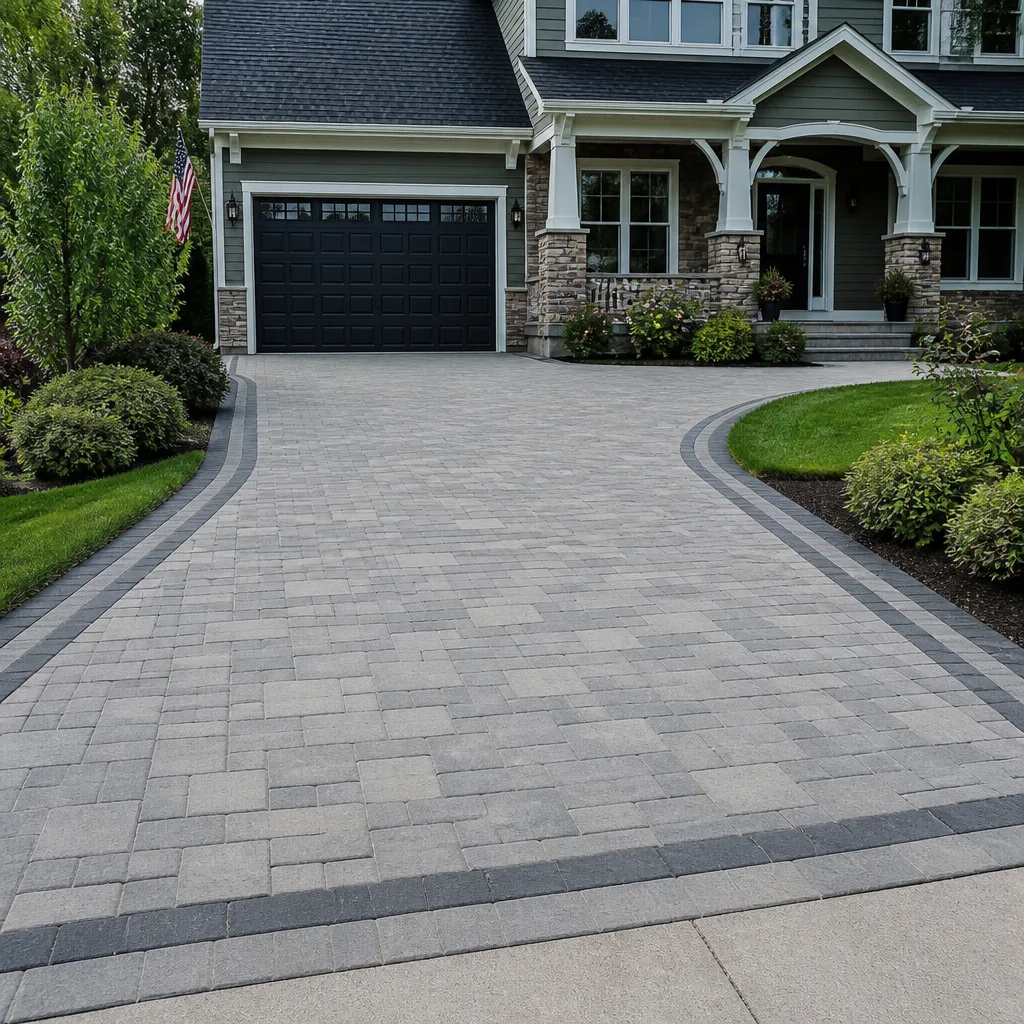
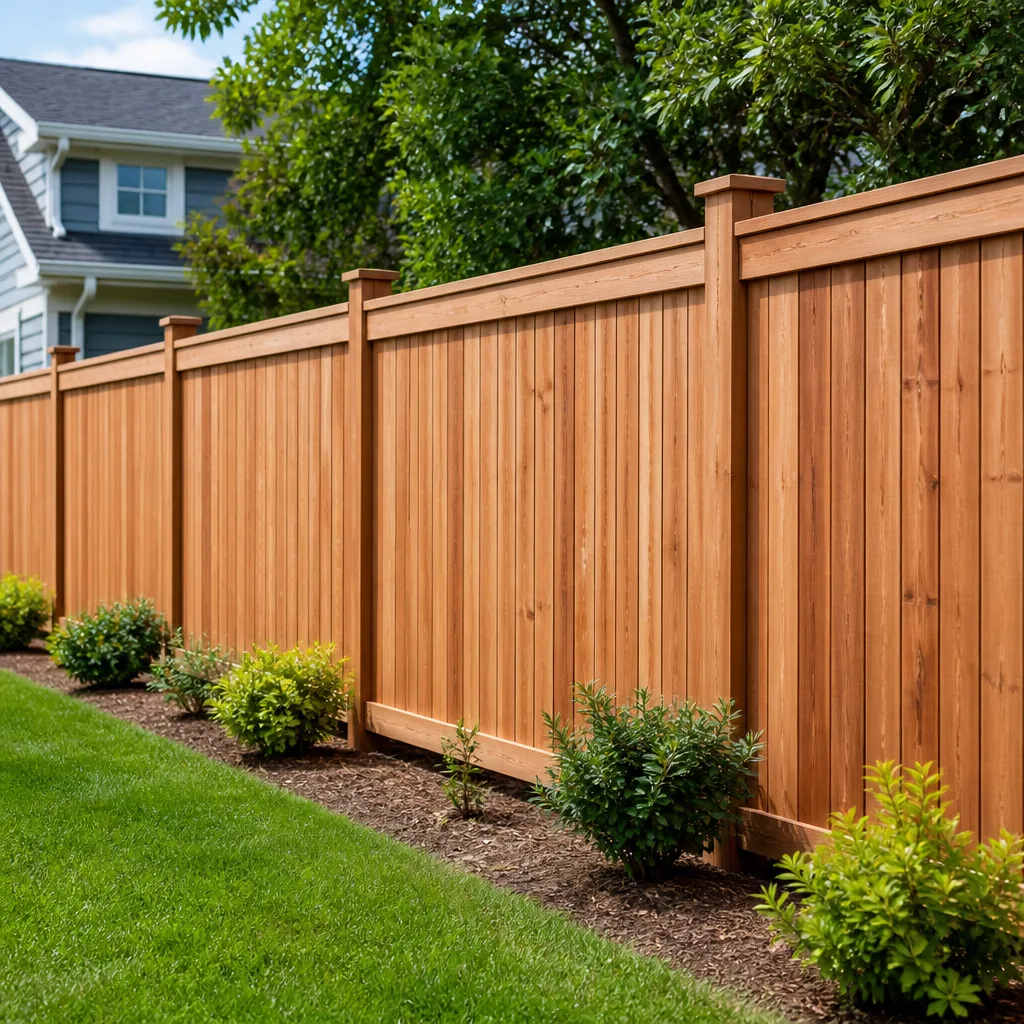
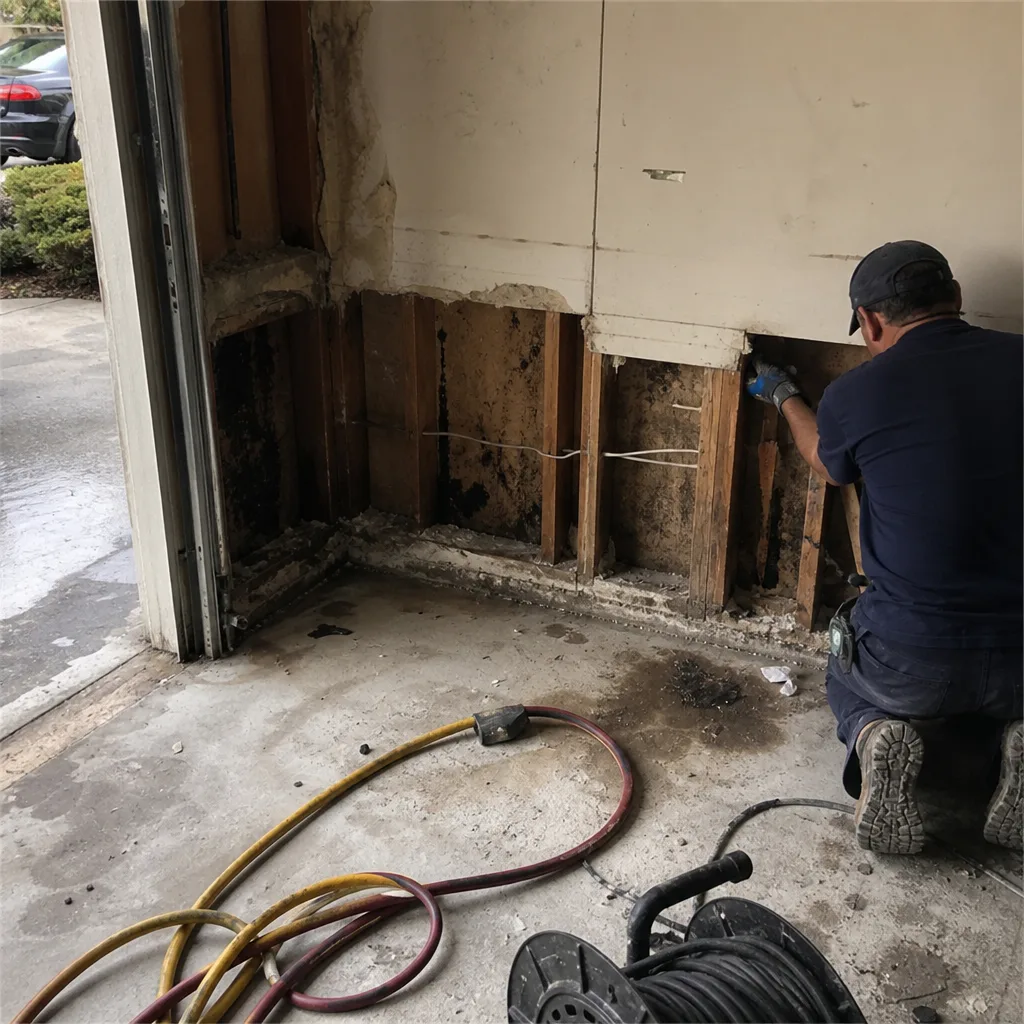 Before
 After
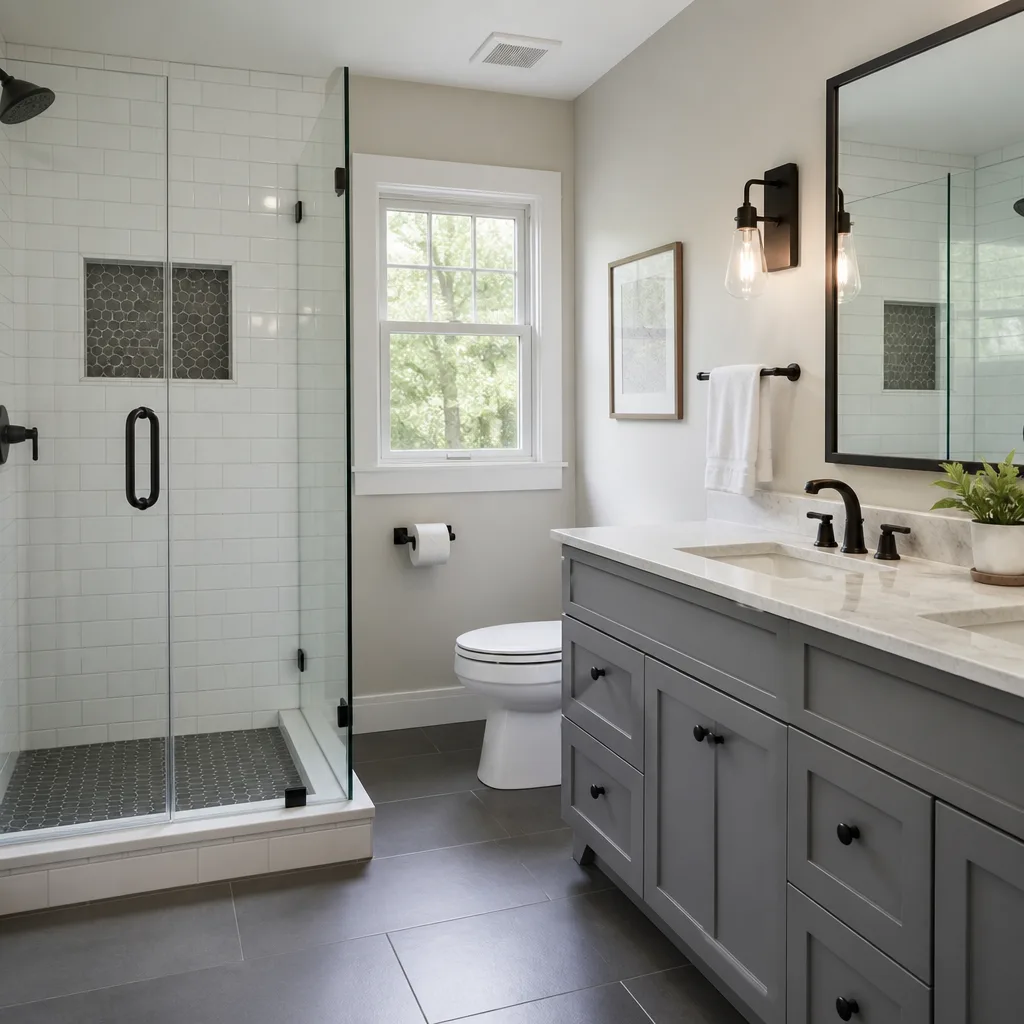
After Before
 After
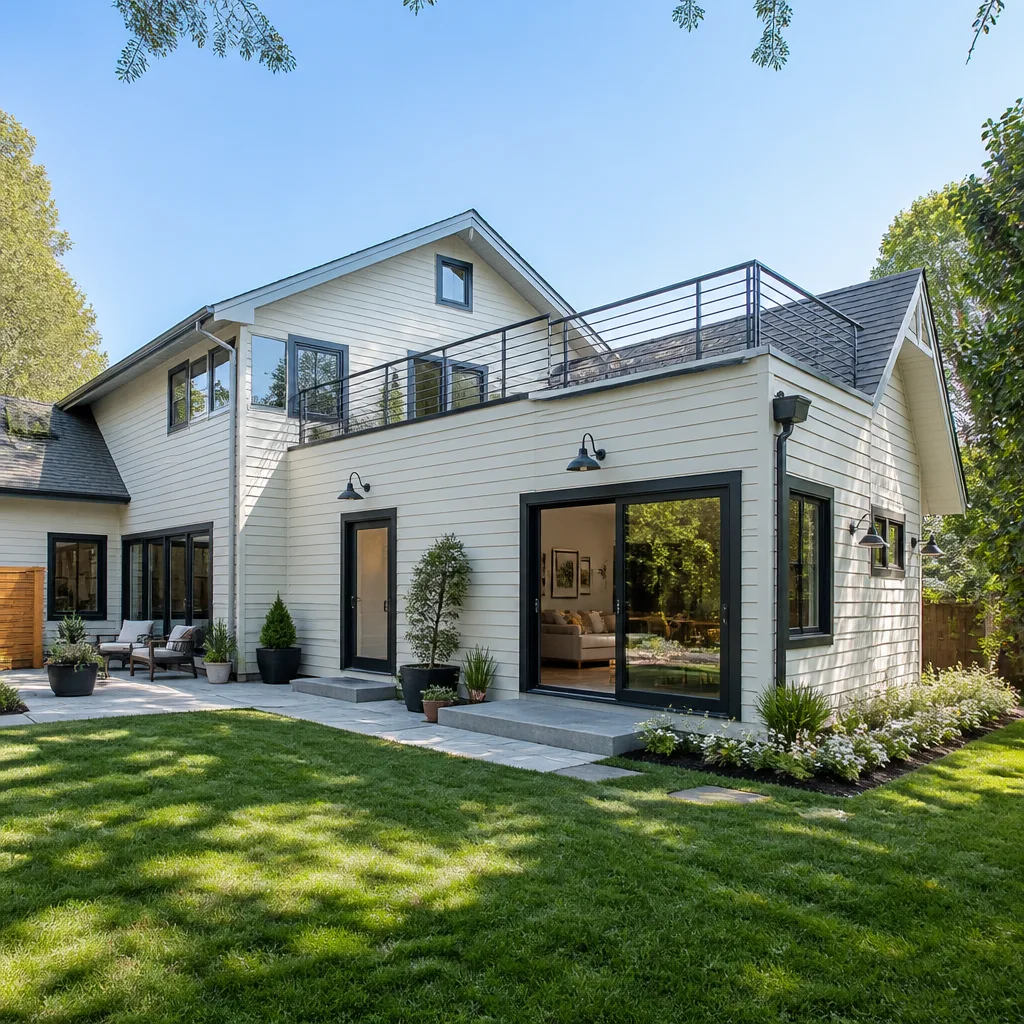
After Before
 After
AfterConstruction Cost Breakdown: The Anaheim Homeowner’s Reference for 2026
The most-cited national kitchen remodel average is $27,000. That number will get an Anaheim homeowner laughed out of three bids before they understand that Orange County labor alone runs $85-$120 per hour for licensed trades, and that number hasn’t moved toward the national average in a decade. In Anaheim, where the median home value sits well above the national figure and the building department processes permits under California’s full Title 24 energy code, construction costs follow local rules, not internet averages. This guide breaks down what Anaheim homeowners actually paid in 2025 and what the 2026 market looks like, using Orange County permit valuations, named material brands, and labor rates from jobs we’ve tracked across the Anaheim Hills, the Colony, and the flatland neighborhoods near the Packing District. For related reading, see our Construction Permits, Codes & Inspections in CA: What You Need to Know.
Quick Answer
A realistic 2026 construction cost breakdown for Anaheim runs $180-$340 per square foot for additions and ADUs, $24,000-$68,000 for full bathroom remodels, and $38,000-$95,000 for kitchen remodels using mid-grade finishes. These figures include Orange County labor at $85-$120 per hour, permit fees that scale with project valuation, and materials sourced through Anaheim-area distributors. The final number depends on three variables: finish level, structural complexity, and site access.
Table of Contents
- Anaheim Labor Rates by Trade: What Licensed Work Actually Costs in 2026
- Material Costs with Real Brand Names: From Kohler to GAF
- Permit Fees in Anaheim: A Line-Item Breakdown
- Hidden Costs That Inflate Final Invoices 12-18%
- How to Use Cost-Per-Square-Foot Correctly
- Budgeting for Your Project: A Step-by-Step Framework
- Common Mistakes to Avoid
- When to Call a Professional
- Frequently Asked Questions
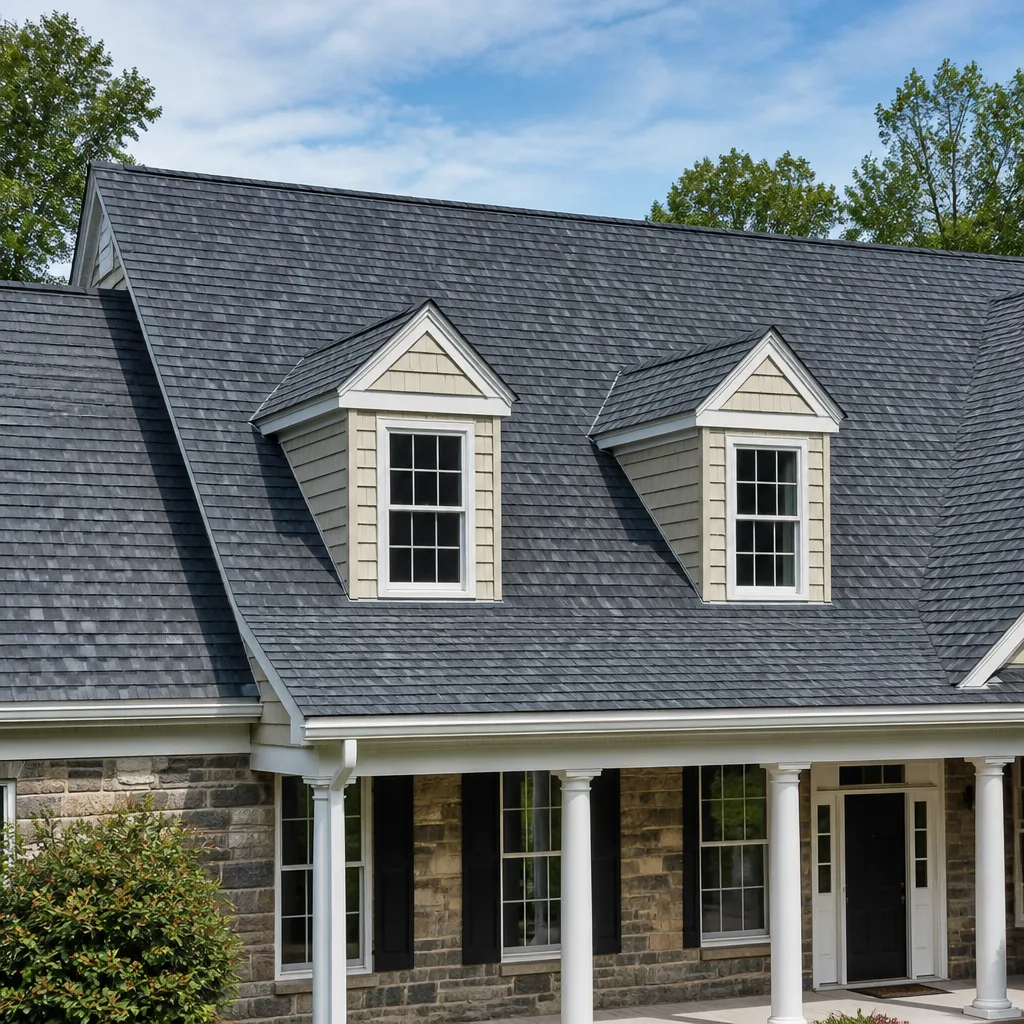
 Before
 After
AfterAnaheim Labor Rates by Trade: What Licensed Work Actually Costs in 2026
General contractor markup in the Anaheim market runs 15-22% on hard costs, with established firms at the higher end and single-operator GCs nearer 15%. That markup covers supervision, scheduling, warranty administration, and the insurance and bond costs California requires. In our experience across Anaheim projects since 2007, the GC who quotes 10% is either uninsured or planning to recover it elsewhere.
Framing labor in Orange County costs $18-$28 per square foot of framed wall or floor area, depending on whether the crew is union or non-union. Union carpenters through the Southern California Carpenters Regional Council command the upper end, particularly on multi-story additions where fireblocking and shear-wall nailing patterns must meet Anaheim’s amended California Building Code requirements. Non-union crews, common in single-family residential work, average $18-$22 per square foot but may require more detailed inspection scheduling.
Electrical work runs $85-$145 per circuit for new construction, with panel upgrades in older Anaheim neighborhoods like the Colony or Anaheim Resort adding $2,200-$3,800 for a 200-amp service relocation. The 1960s-era homes west of Brookhurst often need complete rewiring; we’ve documented knob-and-tube remnants in fifteen Anaheim projects over the past three years. Each new circuit includes rough-in, device installation, and trim-out. EV charger circuits, now standard in Anaheim ADU specs, add $650-$1,200 depending on panel location and trenching distance.
Plumbing rough-in costs $450-$850 per fixture location for new construction, with finish plumbing at $280-$450 per fixture. In Anaheim’s harder water zones, particularly east of the 57 freeway where calcium buildup accelerates, we specify brass or copper over PEX for fixture connections that see daily use. Repiping an existing Anaheim home runs $6,500-$14,000 depending on access, with slab-on-grade construction common in 1970s tract homes adding labor for ceiling and wall routing.
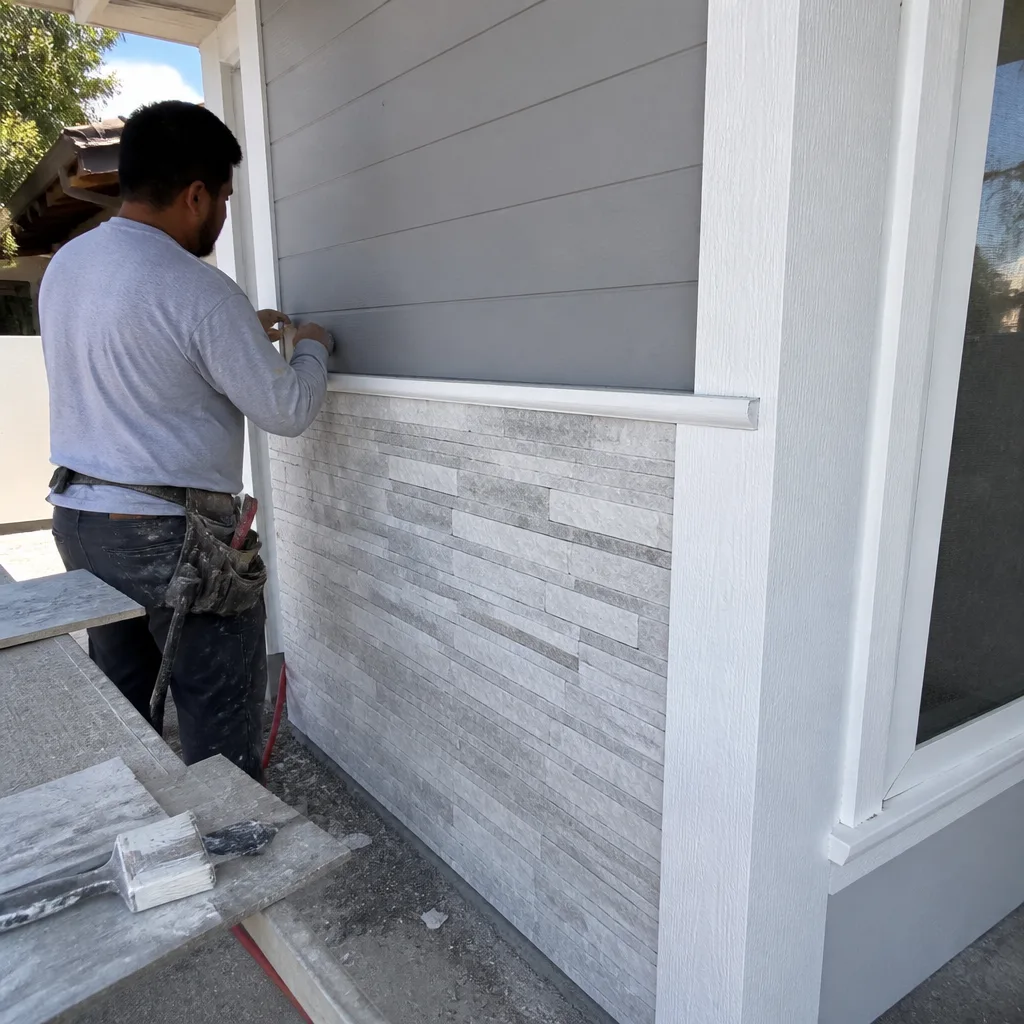
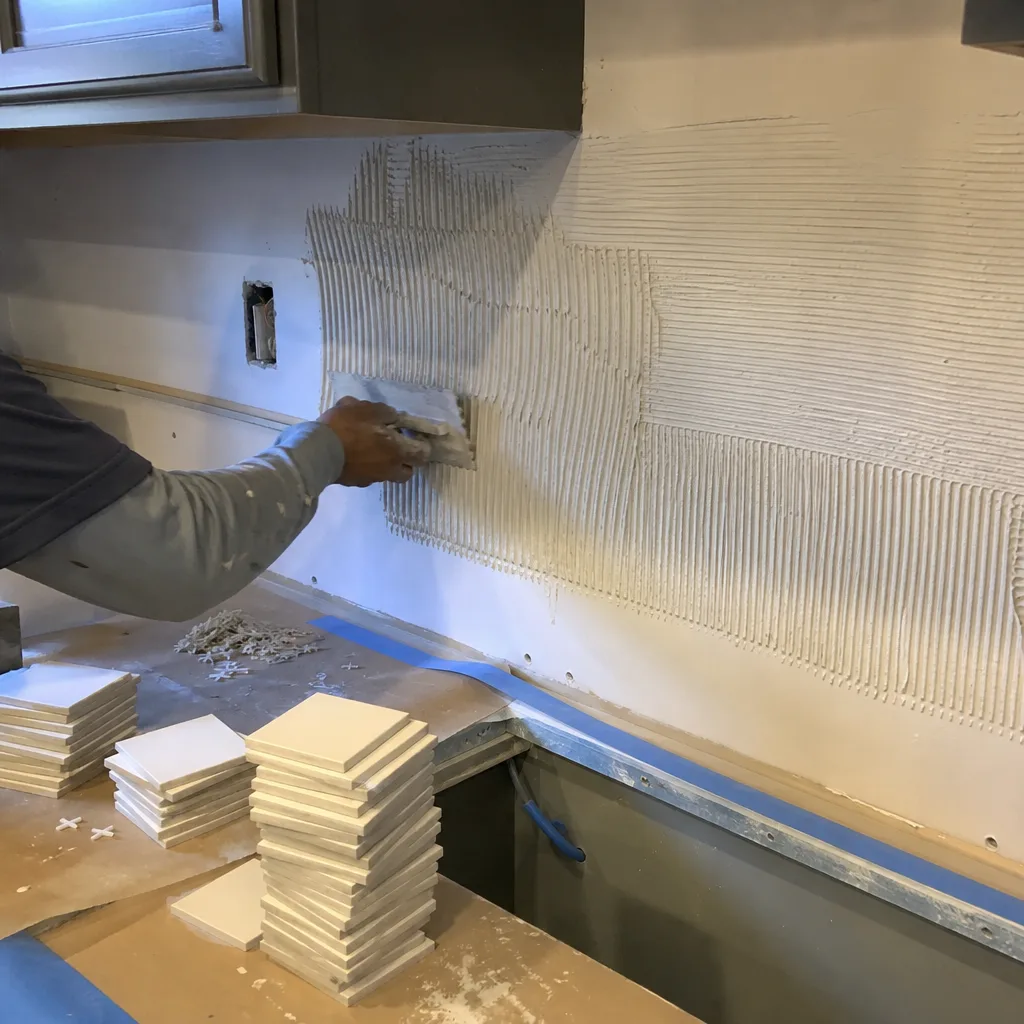
Tile installation, a trade where Orange County has genuine specialization, costs $14-$28 per square foot for floor tile and $22-$42 per square foot for shower walls. The spread reflects substrate preparation, waterproofing system choice, and pattern complexity. We specify Schluter-Kerdi membrane systems on all Anaheim bathroom remodels, not as an upgrade but as standard waterproofing; the material cost difference versus traditional cement board and liquid membrane is $1.20-$1.80 per square foot, but the documented performance in steam showers and curbless applications justifies it on every job.
Drywall finishing, often underestimated in homeowner budgets, runs $1.80-$3.20 per square foot of wall surface for Level 4 finish, with Level 5 (perfectly flat, no texture) adding 40% for the skim coat and sanding labor. Anaheim’s newer construction in Anaheim Hills frequently specifies Level 5 for accent walls and built-in cabinetry locations.
Material Costs with Real Brand Names: From Kohler to GAF
National cost averages fail most dramatically on materials because they don’t account for California’s Title 24 energy requirements, seismic bracing hardware, or the specific brands available through Anaheim-area suppliers. Here are 2026 figures from distributors we work with in Orange County.
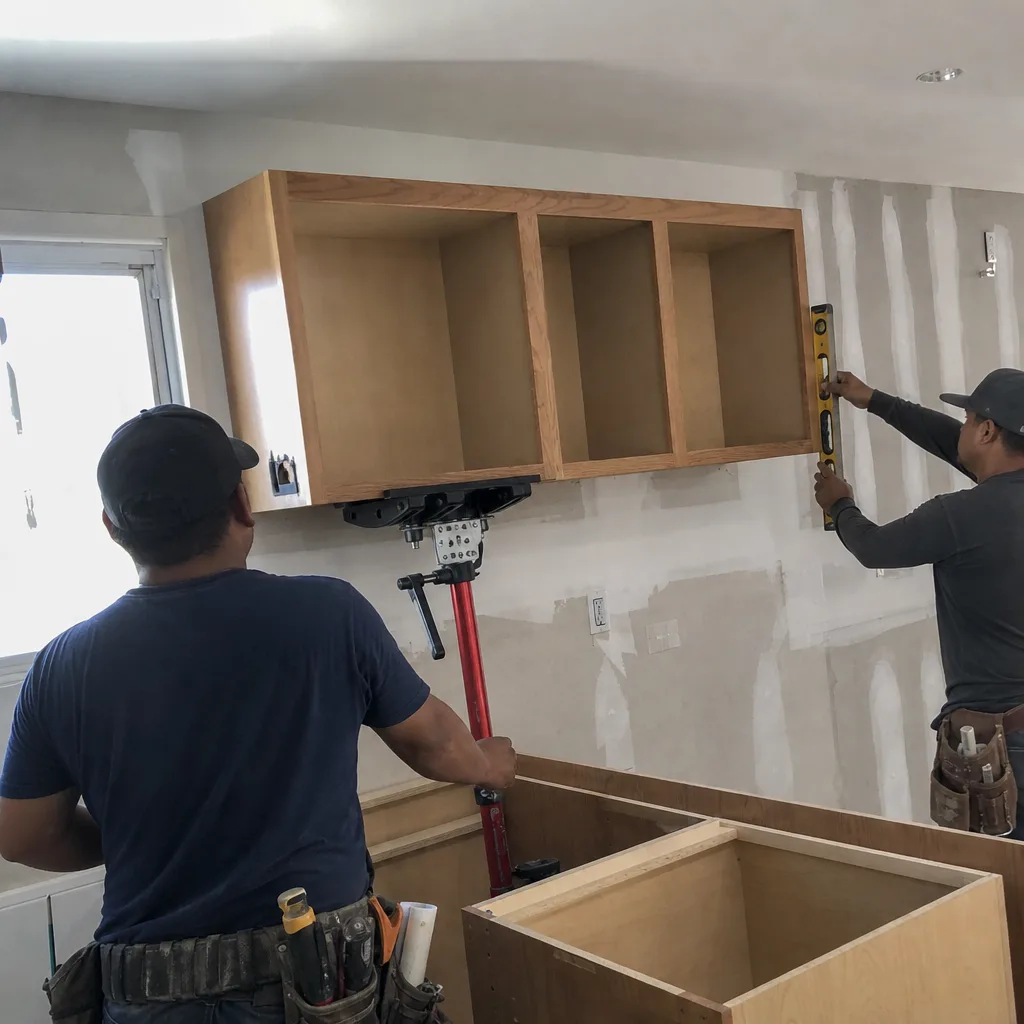
Cabinetry: KraftMaid’s standard line runs $185-$265 per linear foot for painted MDF doors with soft-close hardware, with their Vantage line in cherry or maple at $310-$420 per linear foot. Wellborn’s Aspire series, popular in Anaheim Hills whole-home remodels, starts at $240 per linear foot and runs to $485 for inset-door configurations. These are box prices; installation, crown molding, and light-rail trim add $65-$95 per linear foot. A typical 10×12 Anaheim kitchen with 24 linear feet of upper and base cabinets runs $7,200-$14,400 in cabinetry alone before countertops.
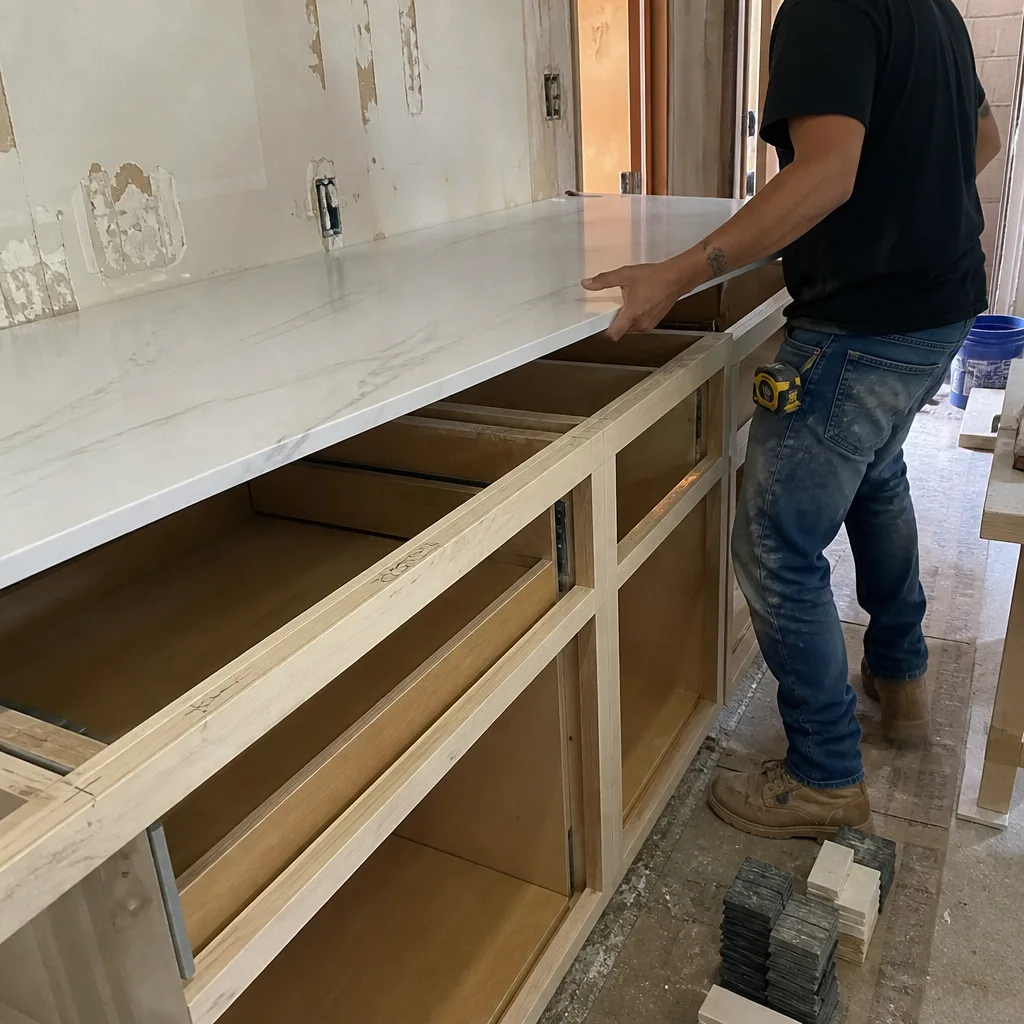
Countertops: Cambria quartz, fabricated through Anaheim-area shops, runs $78-$145 per square foot installed depending on edge profile and slab thickness. Their Brittanicca and Wellington lines, frequently specified in 2025 Anaheim projects, sit at $110-$125 per square foot. Caesarstone’s Supernatural collection runs $85-$118 per square foot, with their 4600 Organic White a consistent seller in Anaheim’s transitional-style kitchens. Both brands include template, fabrication, and installation; sink cutouts and faucet drilling are standard, not add-ons.
Roofing: GAF Timberline HDZ shingles, the line we install most often on Anaheim homes, run $4.20-$5.80 per square foot installed including tear-off, felt replacement, and drip edge. Owens Corning Duration series competes at $4.50-$6.10 per square foot. These figures assume a 6:12 pitch or less; the steeper roofs in Anaheim Hills add $0.80-$1.40 per square foot for safety equipment and slower production. Tile roofing, common in the custom homes east of Weir Canyon, runs $12-$18 per square foot for clay and $9.50-$14 for concrete tile, with underlayment replacement (required every 20-25 years in Anaheim’s UV exposure) adding $3.50-$4.80 per square foot.
Siding: LP SmartSide engineered wood, increasingly specified in Anaheim for its dimensional stability in temperature swings, runs $8.50-$12.50 per square foot installed including housewrap and trim. James Hardie fiber cement, the established standard, runs $10-$14.50 per square foot. The Hardie figure includes the 1/4-inch gap detailing and corrosion-resistant fasteners that Anaheim’s coastal-adjacent climate demands; we’ve replaced LP installations from the early 2010s that failed at the bottom course due to splash-back saturation on flat-grade lots common in the flatland neighborhoods.
Plumbing fixtures: Kohler’s Worth and Devonshire lines run $280-$450 for a complete lavatory faucet set, with their Purist collection at $580-$890. American Standard’s Champion toilet, a consistent specification for Anaheim rentals and ADUs, runs $285-$340 installed; Kohler’s Cimarron, with its better glazing and quieter flush, runs $385-$465. Grohe Eurocube and Eurodisc kitchen faucets, which we’ve installed in perhaps forty Anaheim kitchens, run $340-$580 for the faucet plus $180-$280 for installation including supply line replacement.
Windows and doors: Vinyl replacement windows in Anaheim’s standard sizes (36×60, 48×60 double-hung) run $380-$650 per opening installed, with fiberglass or aluminum-clad wood at $720-$1,400. Milgard’s Tuscany vinyl line and Andersen 100 Series fiberglass are the two brands we quote most often; both meet Anaheim’s Title 24 requirements without upgrade. Patio door replacement runs $1,800-$3,800 depending on material and panel count, with multi-slide systems in Anaheim Hills additions reaching $8,000-$14,000 for four-panel configurations.
Permit Fees in Anaheim: A Line-Item Breakdown
Anaheim’s building division calculates permit fees as a percentage of project valuation plus fixed charges. For a $150,000 ADU build, the 2026 fee schedule breaks down as follows:
| Building permit (valuation fee at $12.50 per $1,000) | $1,875 | |
| Plan check fee (65% of permit fee) | $1,219 | |
| School facility fee (State of California, fixed per square foot) | $3.79/sq ft × 750 sq ft | $2,843 |
| CalGreen documentation and verification | $485 | |
| Fire department plan review (if >1,000 sq ft or two stories) | $385 | |
| Public works drainage review (flatland lots with impervious cover increase) | $620 | |
| Utility connection fees (water, sewer, electric - varies by service size) | $2,400-$4,800 | |
| Total permit and fee range | $9,827-$12,227 |
This represents 6.5-8.2% of project cost, a figure national averages rarely capture accurately. The school facility fee, in particular, surprises homeowners who haven’t built in California before; it applies to all new residential square footage regardless of whether school-age children occupy the unit. Anaheim’s flatland neighborhoods, where lot coverage often exceeds 40%, frequently trigger the drainage review for any addition that increases impervious surface. We’ve had three Anaheim projects in the past eighteen months require bioswale or permeable paving mitigation to satisfy this requirement, adding $3,200-$5,800 to the construction cost. Homeowners should also review our Construction Warning Signs: A Anaheim Homeowner’s Reference Guide to spot red flags early.
Plan check turnaround in Anaheim currently runs 4-6 weeks for residential projects, with corrections adding 2-3 weeks. Expedited plan check, available for 150% of the standard fee, reduces this to 10 business days. We rarely recommend it for standard projects; the time savings rarely justify the cost, and Anaheim’s plan check comments are typically thorough enough that rushing the response produces second-round corrections.
Hidden Costs That Inflate Final Invoices 12-18%
The gap between a contractor’s initial bid and the final invoice rarely reflects dishonesty. More often, it reflects categories that neither the homeowner nor the contractor fully scoped at the outset. In our 4,000-plus projects, these are the consistent culprits.
Temporary power and utilities: A construction loan or cash project requires temporary electrical service for tools, lighting, and climate control during enclosed framing. Southern California Edison charges $380-$650 for temporary residential service in Anaheim, with monthly usage at $85-$180 depending on season. Water for dust control and concrete curing runs $45-$90 per month. These aren’t line items in most initial bids; they’re assumed or forgotten until the first invoice arrives.
Dumpster permits and hauling: Anaheim requires a street-use permit for dumpsters placed in the public right-of-way, at $125-$285 depending on duration. The dumpster itself runs $450-$680 for a 30-yard container, with heavier roofing or concrete debris triggering overweight charges at $85-$140 per ton above the 4-ton allowance. A complete Anaheim home roof tear-off typically generates 6-9 tons of debris; we build this into our written quotes, but we’ve reviewed competitor estimates that list “dumpster included” without specifying weight limits.
Finish carpentry touchup: The week between final paint and homeowner walkthrough always reveals dings, nail pops, and trim gaps that weren’t visible under construction lighting. Budget 1.5-2.5% of project cost for this phase, or specify in writing that the contract includes a defined punch list period with included touchup labor. Under Clause 1 of the Haven Standard, our written scope defines this period as ten business days post-final with included return visits; without that clarity, some Anaheim homeowners have faced $800-$2,400 touchup bills from contractors who treated the work as additional.
Landscaping restoration after utility trenching: ADUs and additions in Anaheim require new electrical, water, or sewer lines that trench through existing hardscape and planting. The trenching itself is in the bid; the sod, irrigation repair, and paver replacement rarely are. We’ve restored Belgard pavers on three Anaheim projects where trenching cut through existing patios, with matching and replacement running $12-$18 per square foot. Techo-Bloc’s older color lines, popular in 2010s Anaheim installations, have shifted formulation; exact matching sometimes requires full patio section replacement rather than selective repair.
Asbestos and lead testing: Homes built before 1978 require lead-safe work practices; those with original vinyl tile, popcorn ceiling texture, or cement board siding may contain asbestos. Anaheim does not require pre-demolition testing for residential projects under 200 square feet, but prudent contractors test anyway. Lab analysis runs $85-$180 per sample, with abatement at $2.50-$8.50 per square foot depending on material and containment requirements. We test on every pre-1980 Anaheim project and build the contingency into our written price; the alternative is a work stoppage when unexpected material turns up mid-demolition.
Title 24 compliance documentation: California’s energy code requires HERS verification (Home Energy Rating System) for many projects, at $450-$850 per verification event. Anaheim’s building department requires this for new HVAC installations, window replacements exceeding 75 square feet, and all ADUs. The fee pays for a third-party rater to inspect insulation, duct sealing, and equipment sizing; it’s not optional and not negotiable, yet it appears in perhaps half the competitor estimates we review during our Free Second Opinion service.
How to Use Cost-Per-Square-Foot Correctly
Cost-per-square-foot is the most misused number in residential construction. Homeowners treat it as a fixed multiplier; contractors use it as a shorthand that conceals more than it reveals. Here’s how to make it useful.
The same 750-square-foot space in Anaheim can cost $135,000 or $255,000 depending on three variables:
- Finish level: Vinyl plank flooring at $4.50 per square foot installed versus engineered hardwood at $12.50; quartz countertops at $95 versus marble at $185; stock cabinets versus custom inset doors. A mid-grade finish package in Anaheim runs $140-$175 per square foot for living space; high-grade finishes push $220-$280. We’ve built identical floor plans in Anaheim Hills and the Colony with a $90,000 finish spread between them.
- Structural complexity: A rectangular addition on a flat lot with direct foundation access costs less per square foot than the same footprint with zero-lot-line constraints requiring shoring, or a second story requiring structural analysis of the existing foundation. Anaheim’s hillside lots, common east of Imperial Highway, regularly require $8,000-$18,000 in grading and retaining wall work before the first footing is poured. That cost doesn’t distribute evenly across square footage; it concentrates in the foundation line item, making the per-square-foot figure misleading if you don’t understand the allocation.
- Site access: A project with driveway access for a concrete pump truck and material staging costs less than one where everything moves through a 36-inch side yard gate in a historic Anaheim neighborhood. We’ve carried GAF shingle bundles by hand across rooftops in the Colony where crane access was impossible, adding 15% to roofing labor. Tight sites also extend timeline, and in Orange County’s labor market, timeline equals cost.
The correct use of cost-per-square-foot is as a validation tool, not a budgeting tool. After you’ve defined your scope, finishes, and site conditions, compare your detailed estimate against the per-square-foot range for similar projects. If your Kitchen Remodeling in Anaheim bid comes in at $380 per square foot for a straightforward 12×14 space with mid-grade finishes, that discrepancy deserves investigation, not acceptance.
Budgeting for Your Project: A Step-by-Step Framework
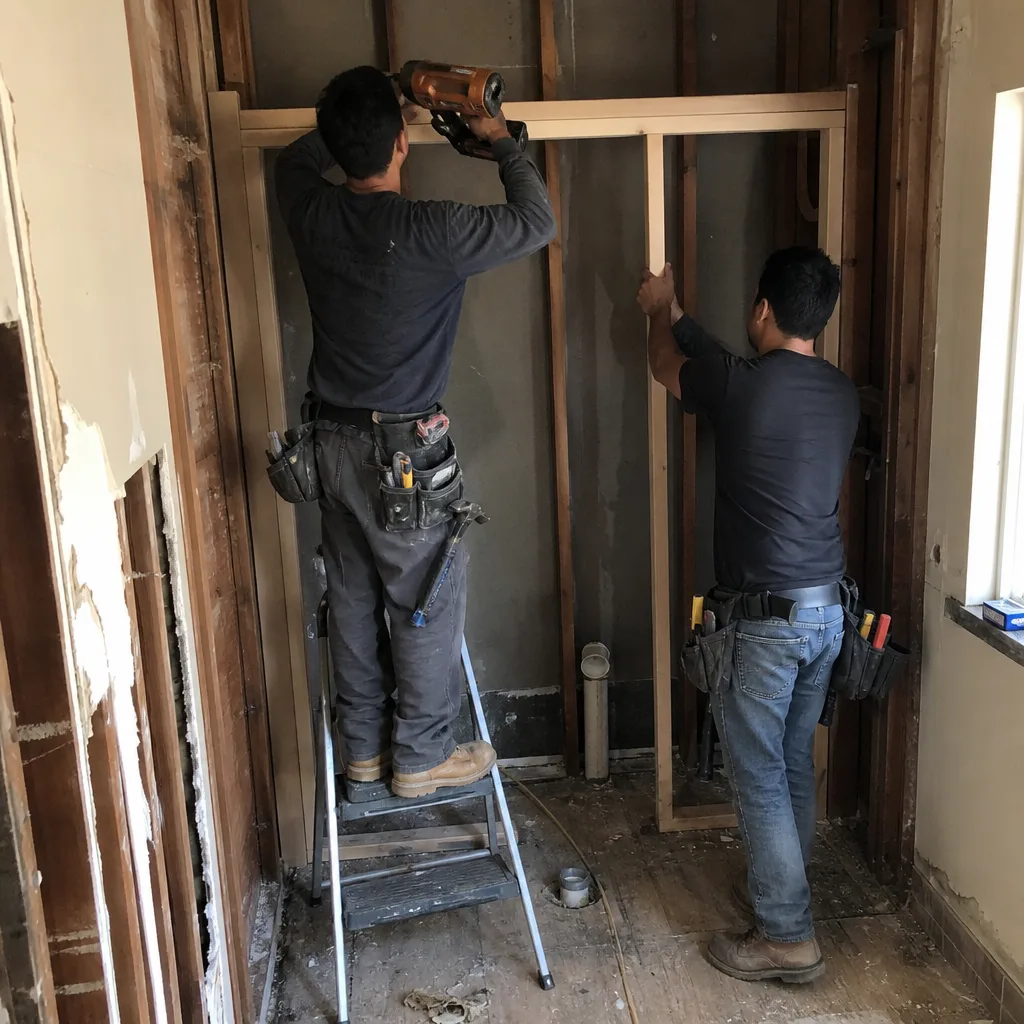
We’ve refined this sequence across 4,000 projects. It produces a number you can plan around, not hope around.
- Define the scope in writing before seeking prices. “Remodel the kitchen” is not a scope. “Replace cabinets to ceiling with 24 linear feet of KraftMaid painted shaker, Cambria quartz countertops at 45 square feet, relocate gas range to island with new 3/4-inch line, add LED recessed lighting on Lutron dimmers” is a scope. The written scope is what makes competing bids comparable. Without it, you’re comparing three contractors’ guesses about what you want.
- Establish your finish level with material names. Visit the Anaheim-area suppliers that serve your contractor tier. For mid-grade kitchen and bath work, that means Ferguson for plumbing fixtures, Pacific Sales or an independent dealer for appliances, and a cabinet showroom with KraftMaid or Wellborn displays. Touch the materials. The $85 per square foot countertop and the $125 per square foot countertop feel different, and that tactile difference is what you’re budgeting for.
- Get three written estimates with identical scope documents. We provide our written scope as a PDF with line-item pricing: demolition, rough plumbing, electrical, cabinetry, countertops, each with material and labor separated. Bring that scope to competitors, or ask them to produce their own. Our Free Second Opinion service exists specifically to review competitor quotes line by line against our own, at no charge, because the discrepancies reveal more than the bottom line.
- Add 15% for conditions unknown at estimate time. This is not contingency for scope creep; that’s what change orders are for. This is for substrate conditions, code requirements discovered during plan check, or material lead time changes. In Anaheim’s 2026 market, electrical panel availability and certain window lines have extended from 4 weeks to 10-14 weeks; the storage and staging costs associated with delayed deliveries fall here.
- Verify permit fees independently. Call Anaheim’s building division at (562) 245-4592 with your project valuation and square footage. Ask for the fee calculation worksheet. The figure they provide won’t match any contractor’s estimate exactly, but it should be within 10%. A significant discrepancy suggests the contractor hasn’t priced permits recently or is using a different valuation basis.
- Require a written change order protocol before signing. Under the Haven Standard, no work proceeds on a change until the change order is signed. This isn’t bureaucracy; it’s the administrative discipline that has kept our projects within a few percent of the agreed price since 2007. A contractor who verbalizes changes and bills later is a contractor whose final invoice will surprise you.
Following this framework on a recent Bathroom Remodeling in Anaheim project produced a final invoice of $34,200 against an original quote of $33,800. The $400 variance came from a single electrical circuit addition the homeowner requested after framing was open, documented on a signed change order with a photo record of the new wiring path.
Common Mistakes to Avoid
- Using national cost averages for Anaheim budgeting. The $27,000 national kitchen remodel figure assumes Midwest labor rates and material costs 25-35% below Orange County’s. Anaheim homeowners who budget from national sources arrive at contractor meetings unprepared and leave disappointed.
- Accepting “allowances” without defined material specifications. A $4,000 tile allowance sounds generous until you select $18 per square foot tile for 120 square feet of floor and shower, plus $14 per square foot installation, plus Schluter waterproofing at $2.20 per square foot. The allowance covers perhaps 60% of the actual cost. We specify allowances with brand and grade ranges, or eliminate them entirely in favor of fixed material selections before contract signing.
- Ignoring Anaheim’s amended building code requirements. Anaheim adopts the California Building Code with local amendments, including enhanced fire sprinkler requirements for additions over 1,000 square feet and specific wind exposure ratings for roofing. A contractor unfamiliar with Anaheim’s amendments prices to the state minimum and faces corrections that add cost and delay.
- Comparing bids with different scope assumptions. One contractor’s “complete roof replacement” includes deck repair; another’s assumes sound substrate. One “full bathroom remodel” includes permit and inspection; another excludes it. Line-item comparison is the only valid comparison; bottom-line comparison is misleading.
- Neglecting utility connection costs for ADUs. Anaheim Public Utilities charges separate connection fees for water, sewer, and electric service to new dwelling units. These run $2,400-$4,800 combined and are not part of construction permits. Homeowners who budget only construction costs face a funding gap at final inspection.
- Assuming landscaping is included in hardscape or addition work. The trench for your new ADU sewer line doesn’t repair itself. Specify restoration responsibility in writing, with material matching requirements if pavers or sod are involved.
- Treating the lowest bid as the most accurate. In Orange County’s construction market, the low bid often reflects incomplete scope, uninsured labor, or planned change order recovery. The accurate bid is the one that accounts for everything the project requires, with documentation to support each line item.
When to Call a Professional
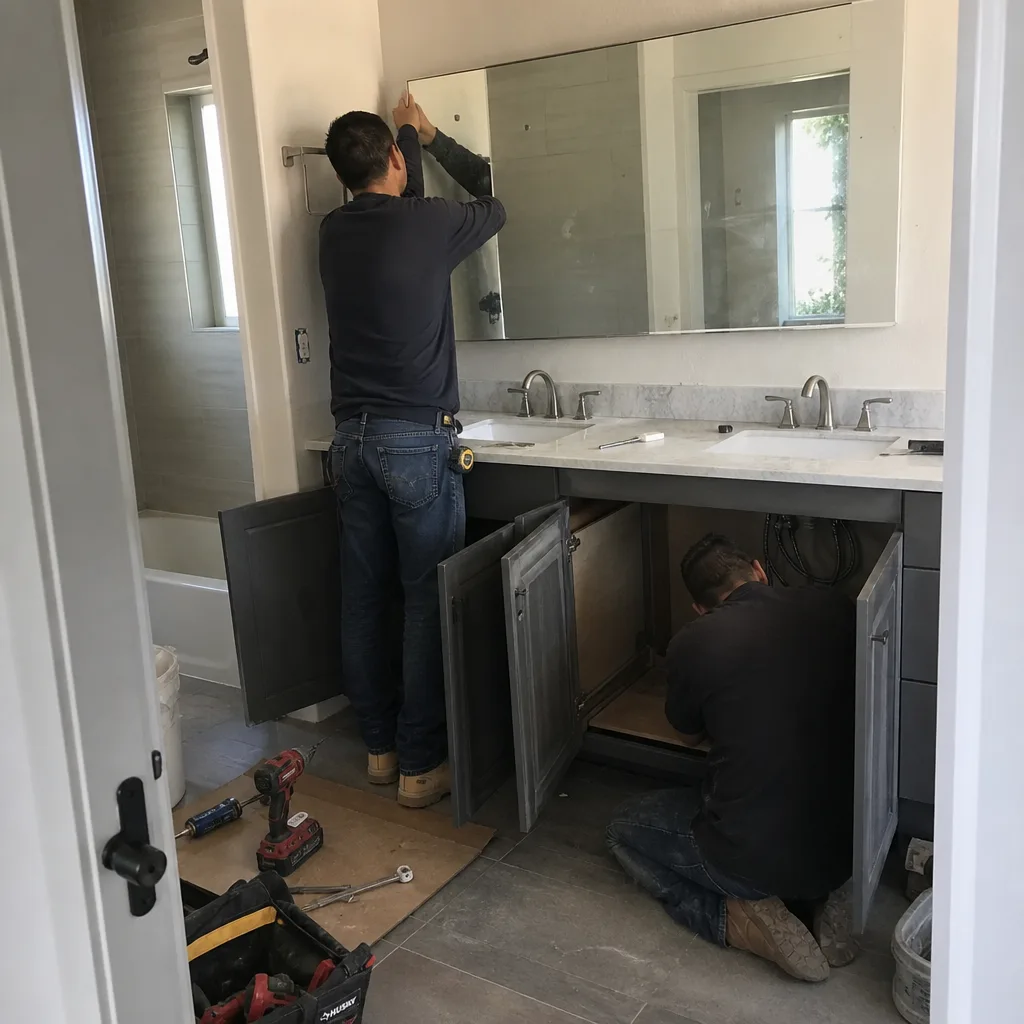
Some construction decisions warrant professional input before you’ve committed to a budget. Our DIY vs Professional Construction: The Anaheim Homeowner’s Decision Guide can help you decide when to call a licensed contractor for structural modification, new electrical or plumbing circuits, or work requiring Anaheim building permits. The cost of a professional assessment, typically $150-$350 for a site visit and written findings, prevents the far larger cost of discovering unbuildable conditions after you’ve purchased materials or signed a lease on temporary housing.
Specific scenarios where professional evaluation pays for itself: any project in a pre-1978 home where lead or asbestos may be present; hillside lots requiring grading or retaining walls; zero-lot-line construction where setback verification is critical; and any addition or ADU where utility capacity must be confirmed before design finalization. Anaheim’s older neighborhoods, particularly the flatland areas between Lincoln Avenue and Ball Road, contain a mix of construction eras and code cycles that reward detailed preliminary investigation.
Rowan Construction Group Anaheim offers free estimates in Anaheim. Our written quotes include line-item pricing, material specifications with named brands, and a documented photo record of existing conditions. Call (562) 245-4592 to schedule your assessment.
Frequently Asked Questions
A full kitchen remodel in Anaheim costs $38,000-$95,000 for a typical 10×12 to 12×14 space, with the range reflecting cabinetry grade, countertop material, and whether the project includes structural changes or appliance relocation. Mid-grade finishes with KraftMaid cabinets, Cambria quartz, and standard appliance packages center around $58,000-$72,000. Call (562) 245-4592 for an exact quote based on your measurements and finish selections; estimates are free.
Orange County labor rates for licensed trades run $85-$120 per hour, 40-60% above national medians, and California’s building code requirements add material and documentation costs that cheaper markets don’t face. Anaheim’s permit fees, school facility fees, and Title 24 compliance documentation add 6.5-8.5% to project cost before construction begins. These are structural market conditions, not contractor markup.
At Rowan Construction Group Anaheim, the price does not change unless the scope changes, and no scope change proceeds without a signed change order. This is Clause 1 of the Haven Standard, the administrative discipline that has kept our projects within a few percent of the agreed price across 4,000-plus jobs since 2007. The written quote you receive before work starts is the price you pay for the work described, with documented photo evidence of completion.
Yes. We handle permit application, plan check response, and inspection scheduling for all Anaheim projects. Our quotes include permit fees calculated from current Anaheim fee schedules, and we provide the permit number and inspection record as part of the project documentation. Homeowners are welcome to verify permit status directly with Anaheim’s building division at any time.
A 400-750 square foot single-story addition in Anaheim takes 4-6 months from permit issuance to final inspection, with the first 6-8 weeks consumed by foundation and framing, 4-6 weeks for rough mechanicals and inspection, and 8-12 weeks for finishes. Second-story additions add 3-5 weeks for structural analysis and potential foundation reinforcement. These timelines assume no weather delays; Anaheim’s mild climate rarely interrupts construction, but winter rains can pause exterior work for 3-5 days per event.
Every visit to your Anaheim property includes dated, geotagged photographs of existing conditions before work, progress at rough-in and pre-cover inspection points, and final completed work. The homeowner receives these as a digital album, not as an upgrade or add-on. This documentation supports warranty claims, future renovation planning, and real estate disclosure requirements. It’s standard on every Rowan Construction Group Anaheim project, included in the written scope from day one.
Bring any competitor’s written estimate to us for a free second opinion. We’ll review it line by line against our own pricing, identifying scope gaps, material grade differences, and excluded costs that explain variances. This service is free because informed homeowners make better decisions, and better decisions produce better projects. Call (562) 245-4592 to schedule your review.
The Bottom Line
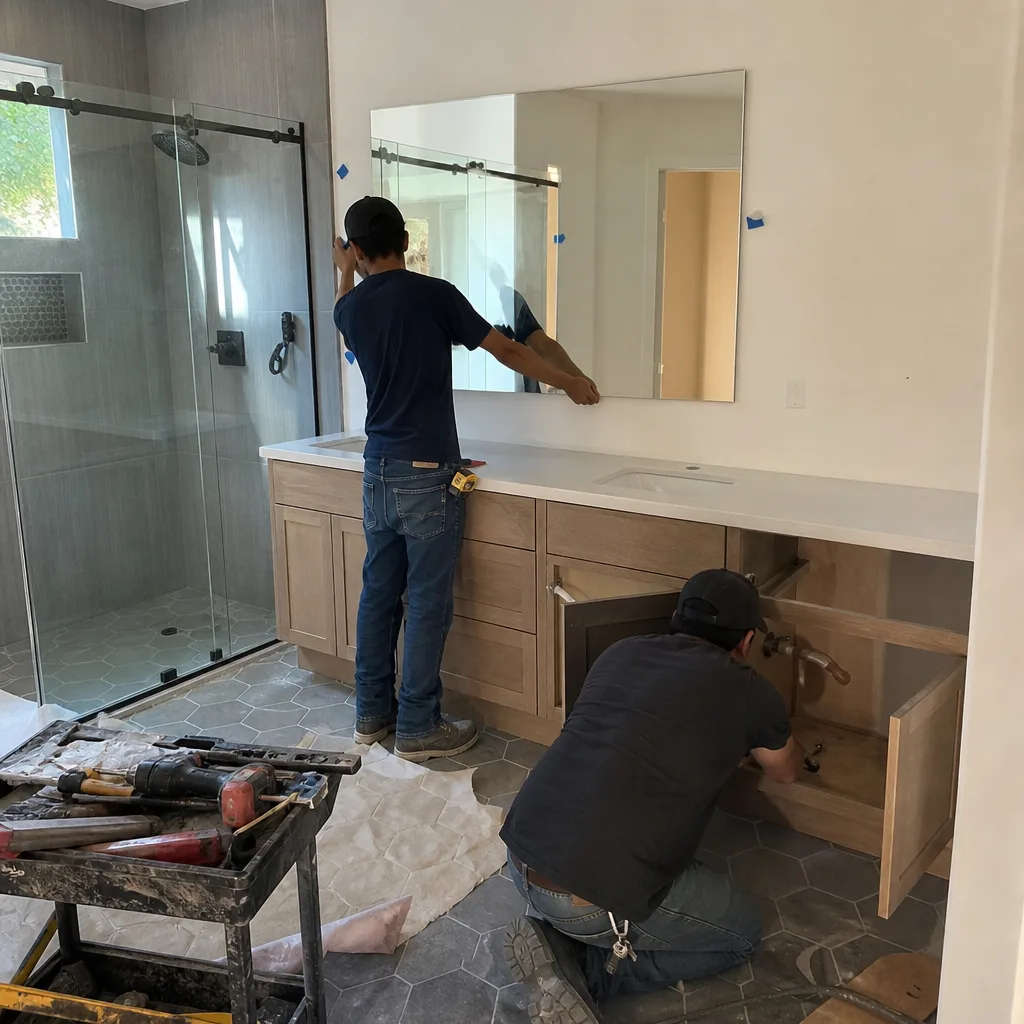
Construction cost breakdowns for Anaheim in 2026 require local specificity to be useful. National averages misrepresent Orange County labor rates, California code requirements, and Anaheim’s permit fee structure by margins large enough to derail budgets. The accurate approach is to define your scope in writing, specify materials by brand and grade, verify permit costs independently, and work with a contractor who documents every assumption in a fixed-price quote before work begins. The variables that matter are finish level, structural complexity, and site access; understand these, and cost-per-square-foot becomes a validation tool rather than a trap. For Anaheim homeowners planning kitchen remodels, bathroom renovations, additions, or ADUs in 2026, the number to start with is a written estimate based on actual local conditions, not an internet average. Explore more guides & resources for your next project.
Written by Grant Rowan, Owner at Rowan Construction Group Anaheim, serving Anaheim since 2007.