
Last updated September 24, 2026
Free written scope consultation - allowances, timeline, and change-order rules on paper before a single trade is scheduled
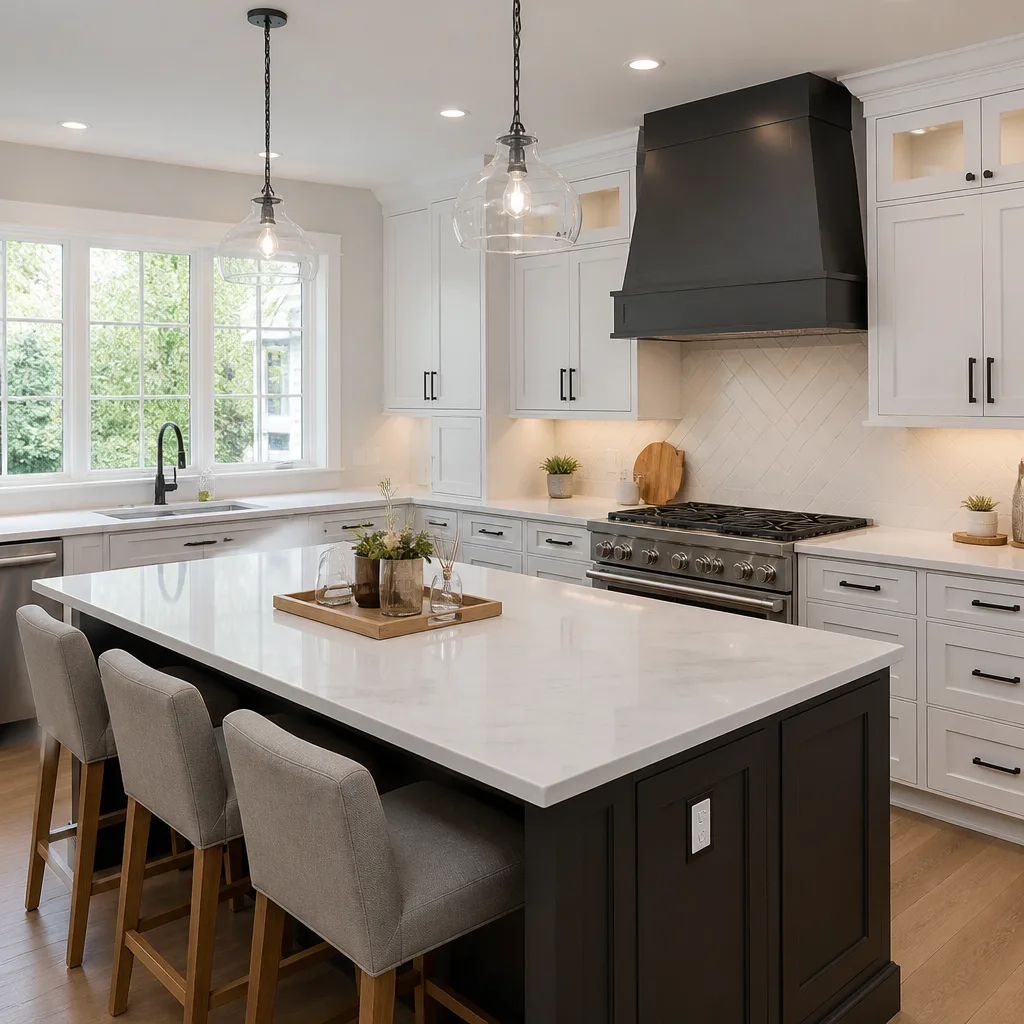
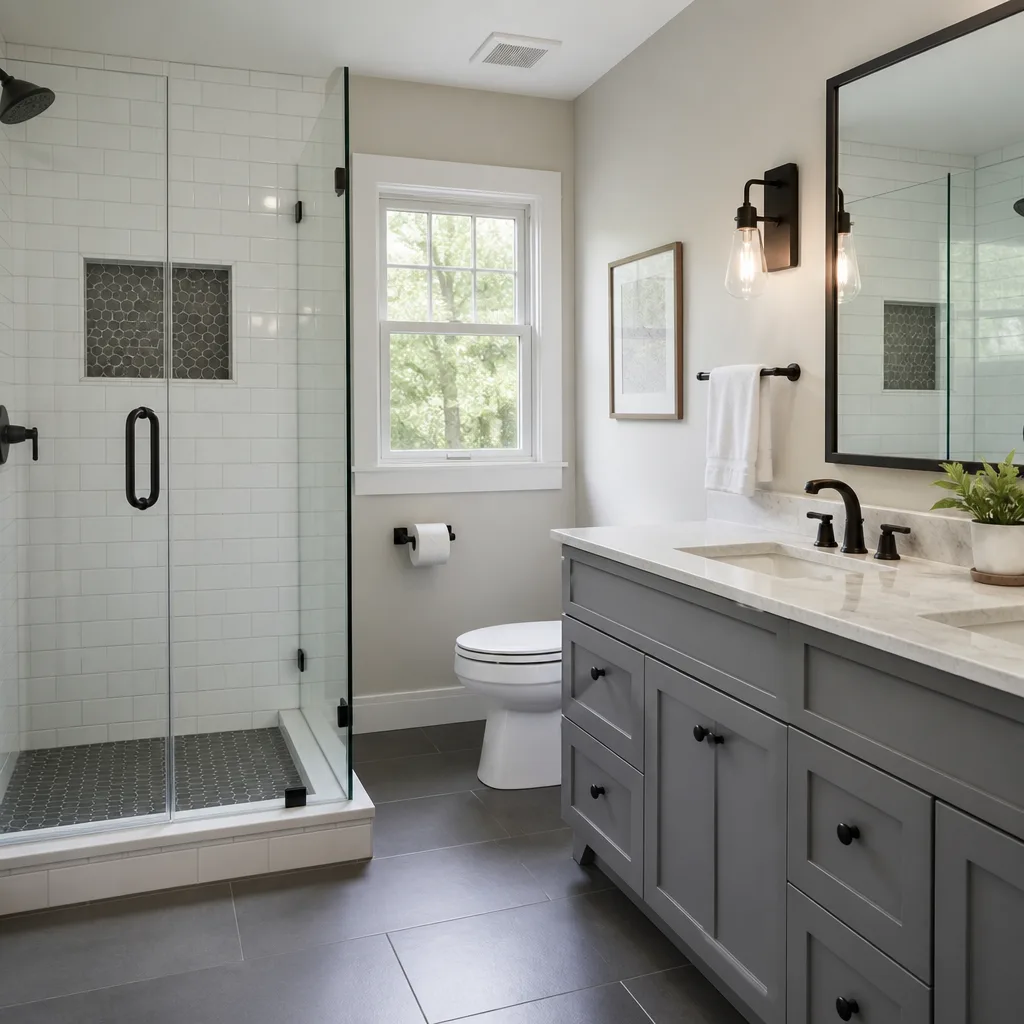
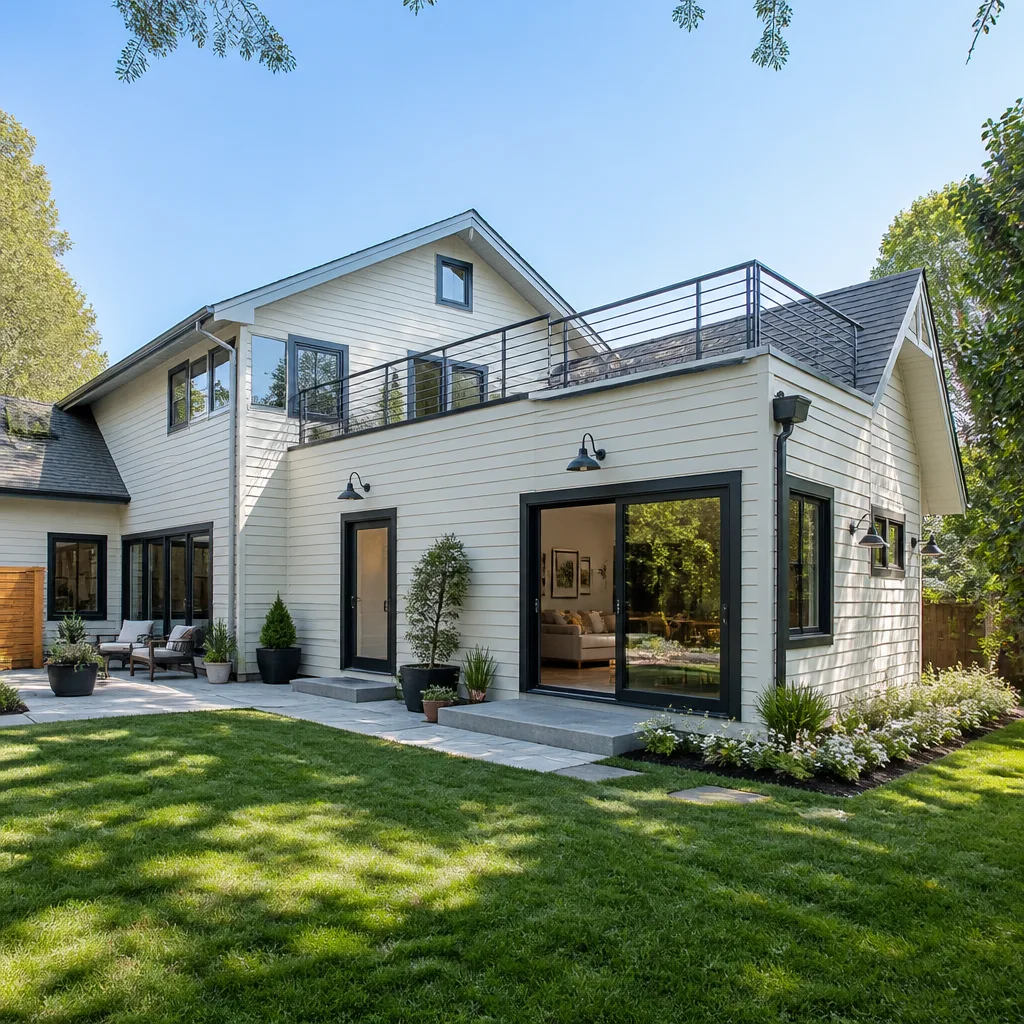
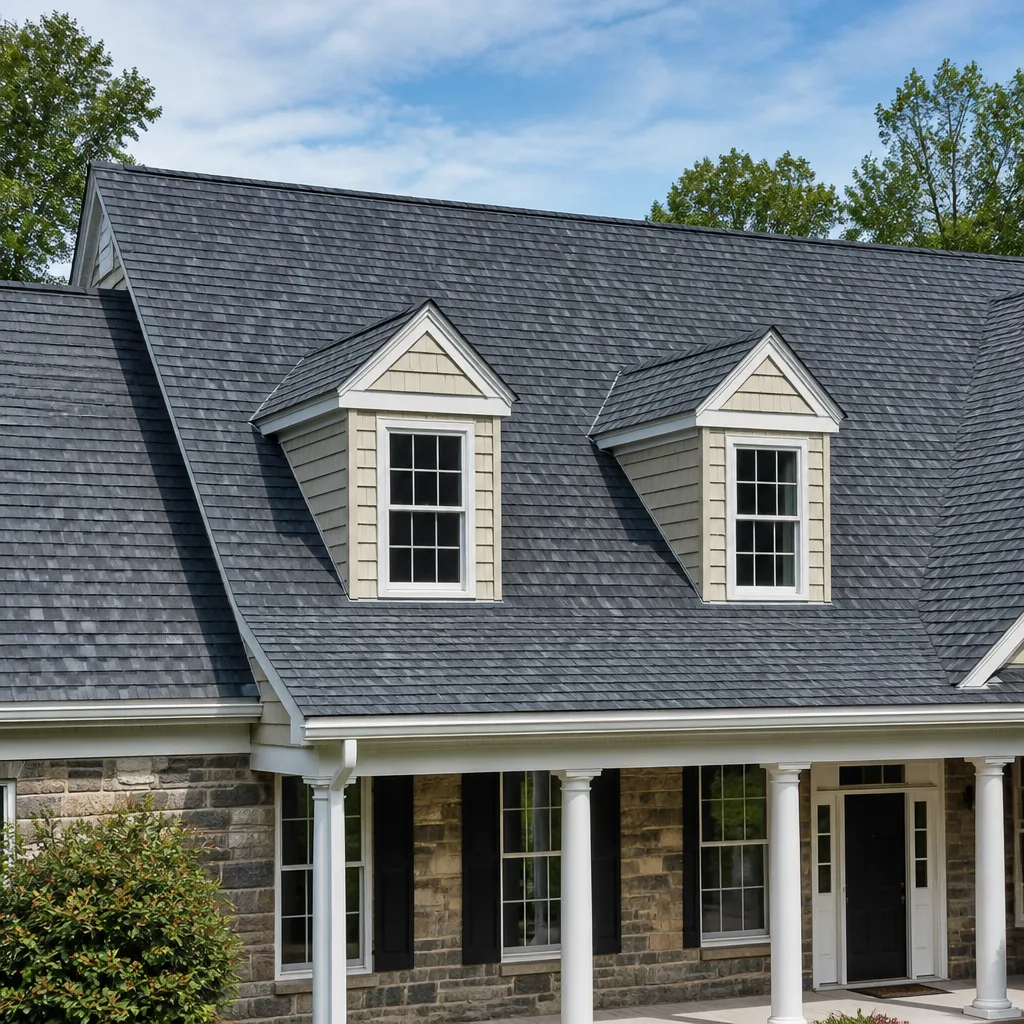
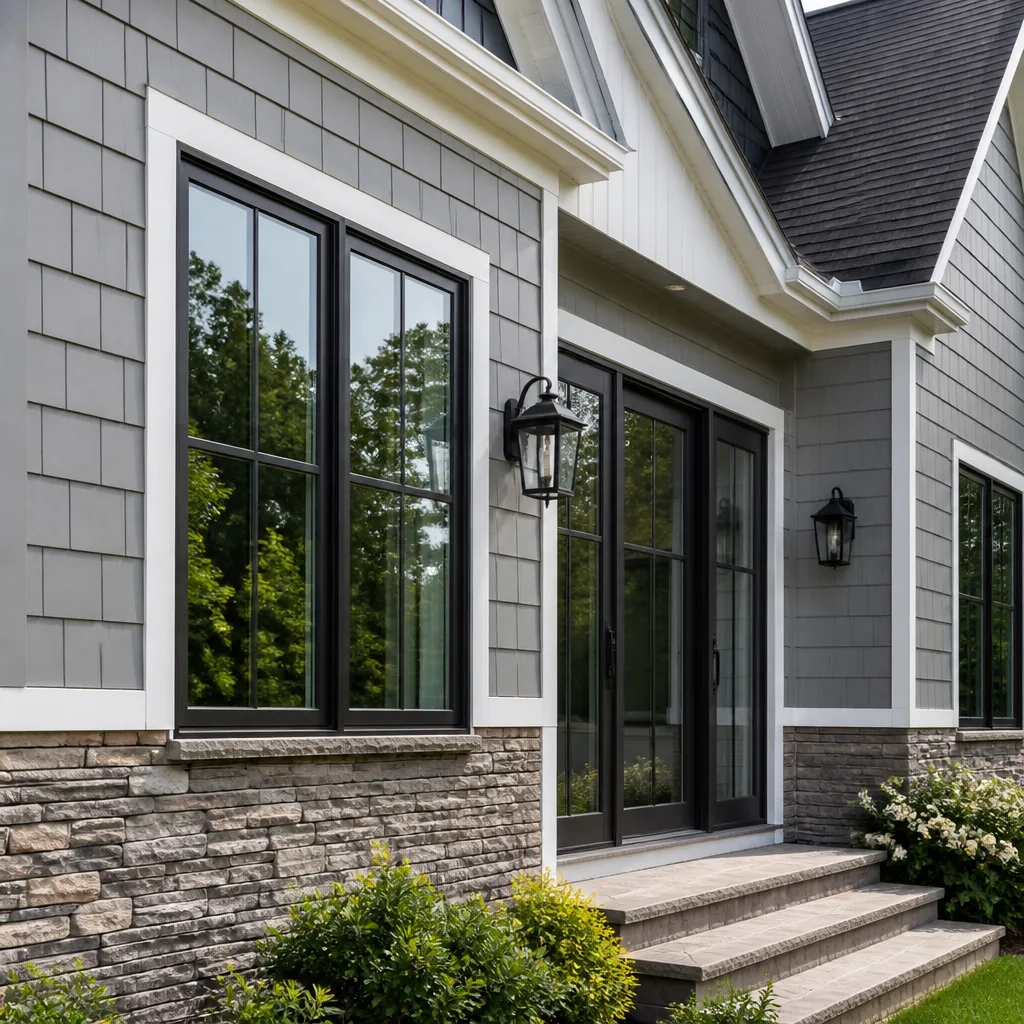
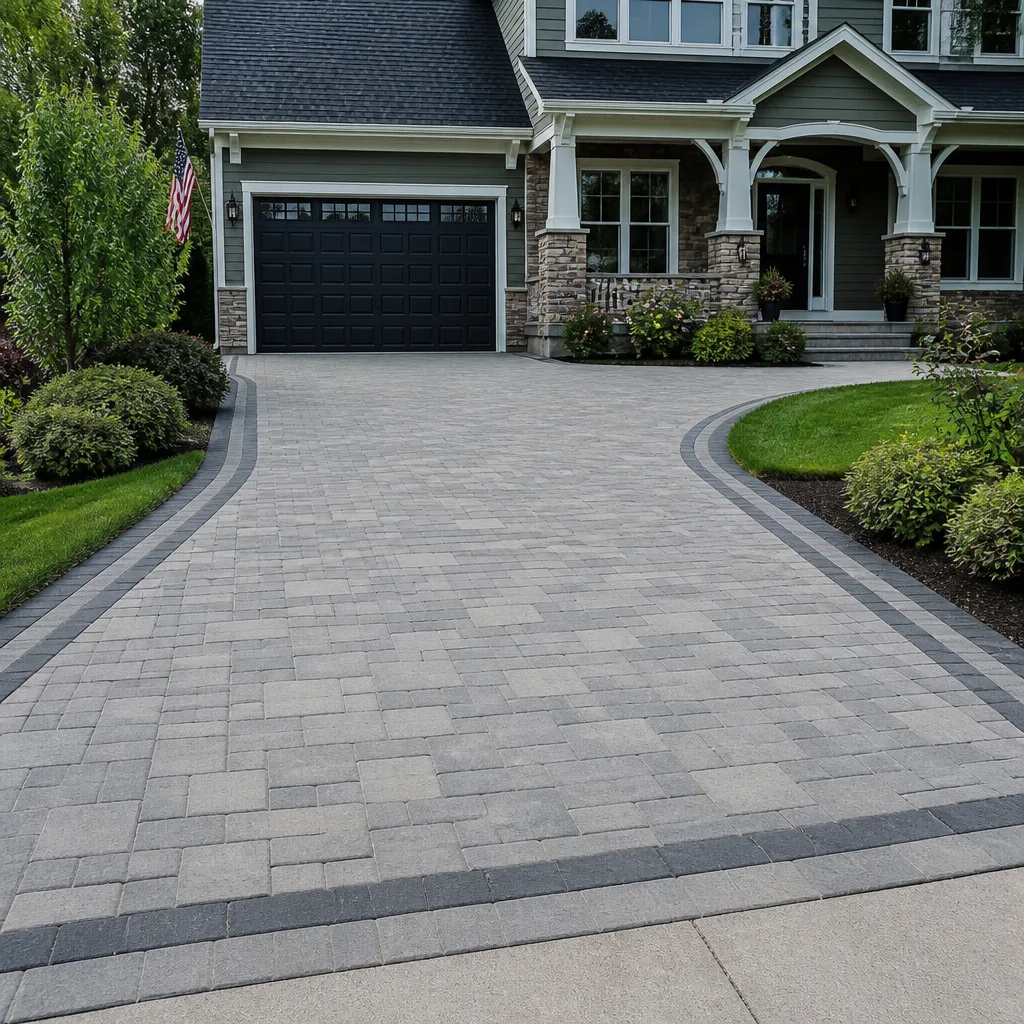

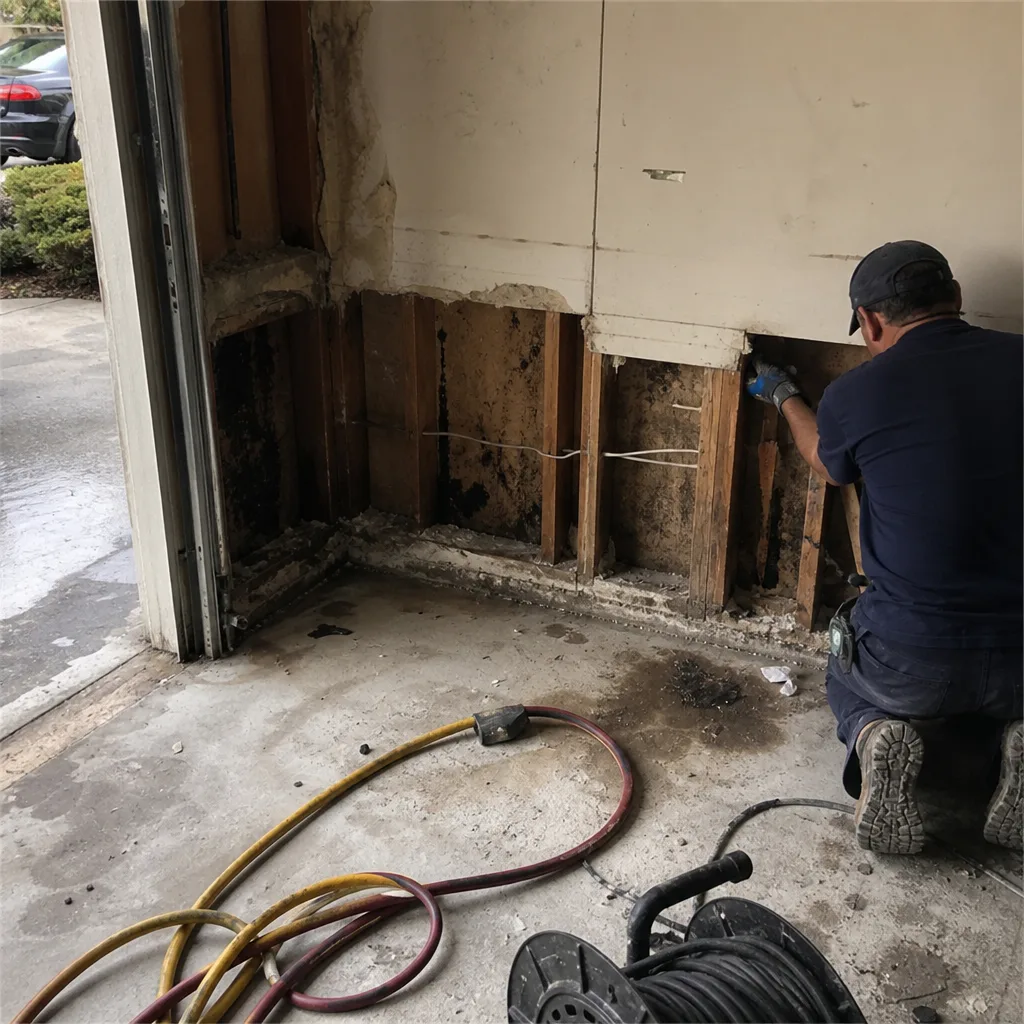 Before
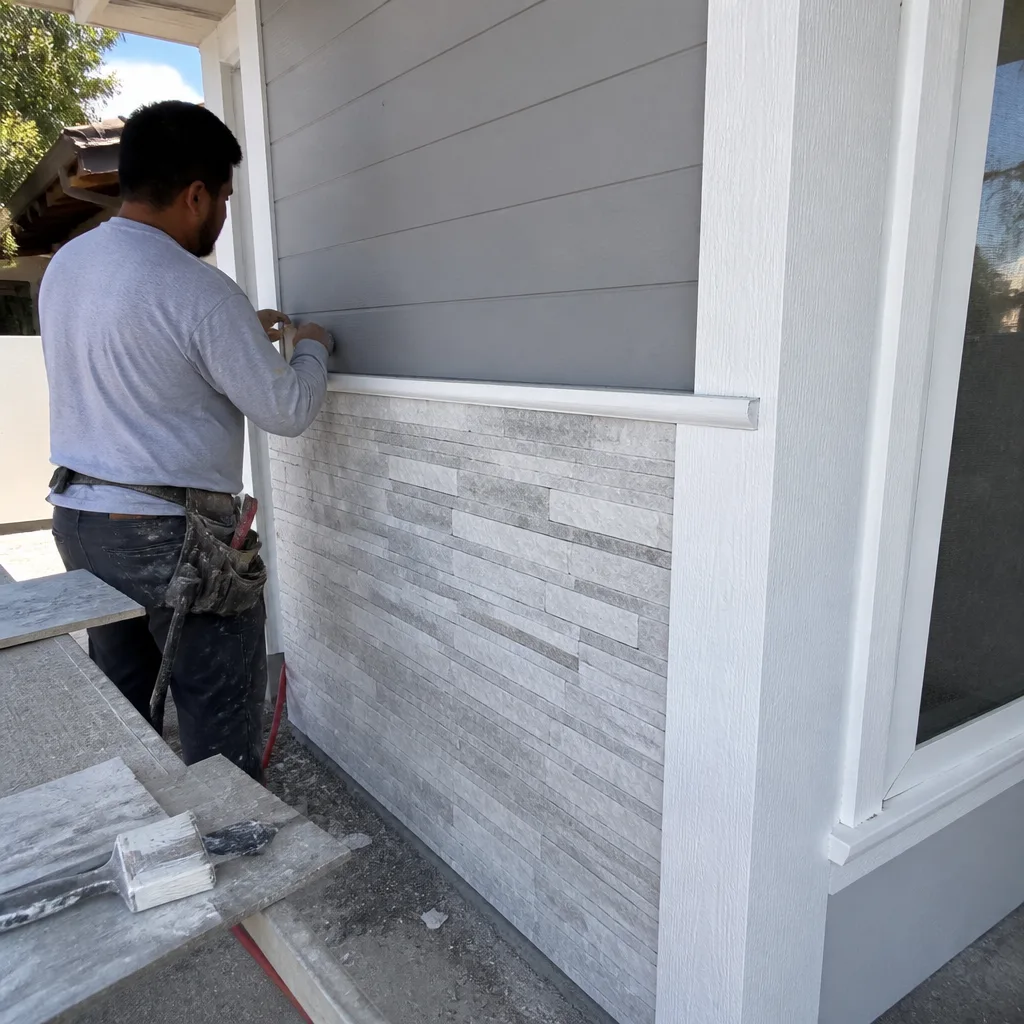 After
After Before
 After
After Before
 After
AfterThe Complete Guide to Construction in Anaheim
Anaheim issued more than 4,200 residential building permits in a single recent year, yet city data shows roughly 1 in 6 projects required at least one stop-work order - nearly always tied to skipped permit steps, not bad craftsmanship. That gap between ambition and execution is what this guide addresses. Whether you’re adding an ADU near the Platinum Triangle, re-roofing a 1960s tract home in West Anaheim, or remodeling a kitchen in Anaheim Hills, the difference between a project that finishes on budget and one that stalls for months usually comes down to understanding the rules before the first wall comes down. Here’s what we’ve learned across 4,000-plus projects about building successfully in Anaheim.
Quick Answer
Construction in Anaheim requires navigating three overlapping jurisdictions - a process detailed in our Construction Permits, Codes & Inspections in CA: What You Need to Know - covering city permits for most structural work, Orange County health and safety overlays for certain systems, and state CalGreen mandates for energy and water efficiency on projects over $50,000. Most residential projects need a city building permit, a licensed contractor, and documented inspections at rough-in and final stages. Typical construction costs in Anaheim range from $18,000 for a fence and paver driveway package to $180,000-plus for a full home addition with ADU conversion.
Table of Contents
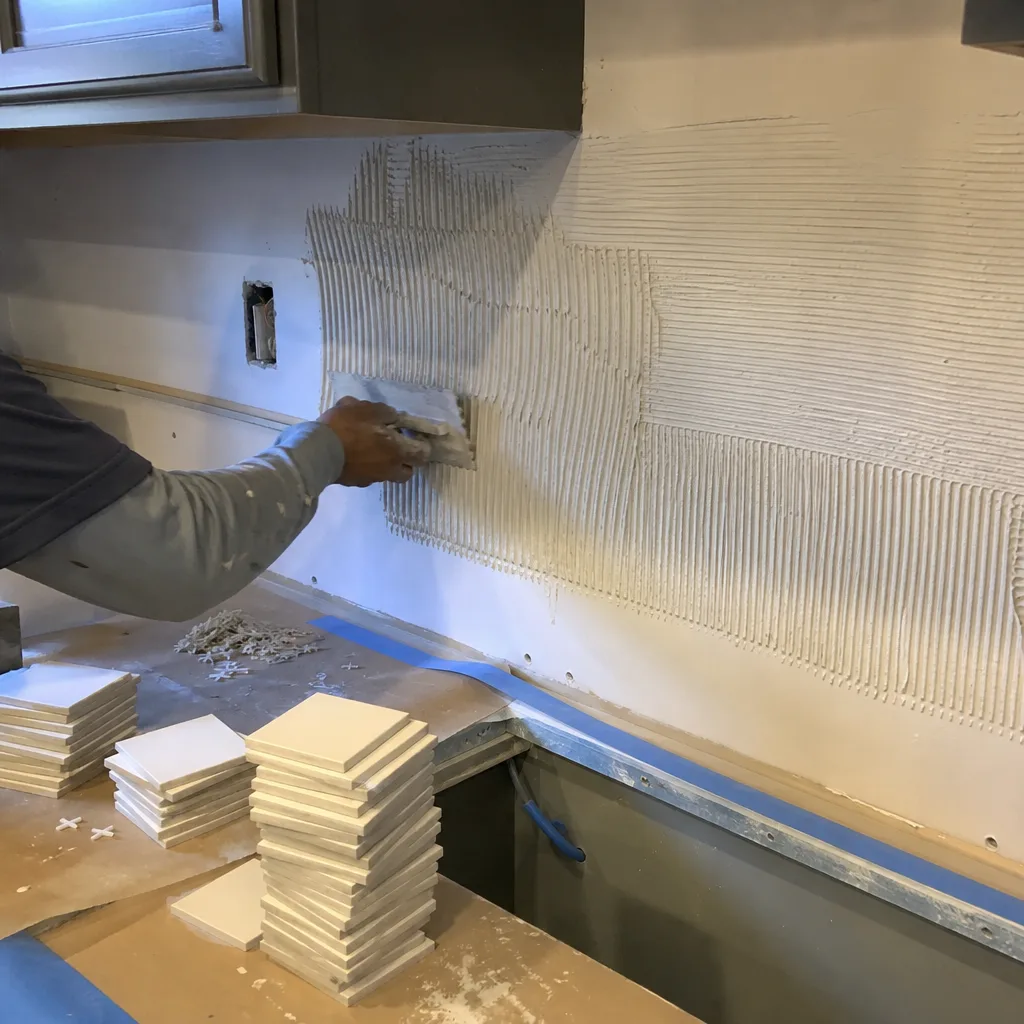
- Anaheim’s Three-Tier Permitting Structure
- What Construction Costs in Anaheim: Real Dollar Ranges
- How Santa Ana Winds Shape Material Choices
- The Documentation Checklist Every Homeowner Needs
- Anaheim-Specific Resources and Where to Find Them
- Choosing a Contractor: What the Paperwork Should Show
- Common Mistakes to Avoid
- When to Call a Professional
- Frequently Asked Questions
 Before
 After
AfterAnaheim’s Three-Tier Permitting Structure
Most homeowners assume permits are a single hurdle. In Anaheim, they’re three. Understanding which layer applies to your project prevents the stop-work orders that plague too many jobs.
City of Anaheim: The Foundation Layer
The City of Anaheim Building Division issues permits for structural work, electrical, plumbing, mechanical, and most renovations. Their online permitting system, Anaheim Anytime, allows application submission and inspection scheduling, but the initial plan review still requires stamped drawings for additions, ADUs, and any load-bearing modification.
Projects triggering city permits include:
- Kitchen and bathroom remodels involving wall removal or plumbing relocation
- Roof replacements (tear-off, not overlay)
- Window and door installations where the rough opening changes size
- Home additions and ADUs of any square footage
- Driveway replacements and paver installations affecting drainage patterns
- Fence construction over 6 feet or located on a corner lot with visibility triangle requirements
Permit fees scale with project valuation. A $25,000 kitchen remodel typically runs $800-$1,200 in city fees. A $150,000 ADU addition can reach $4,500-$6,000. These numbers appear on the fee schedule published by the city, not hidden in administrative charges.
Orange County: The Overlay Layer
Orange County’s jurisdiction activates for specific systems and conditions. Septic systems, well connections, and certain hillside grading requirements fall under county environmental health. If your Anaheim property sits on unincorporated county islands - pockets that exist in older neighborhoods near the city boundary - county building codes supersede city ones for structural requirements.
We’ve encountered this in the hills above Anaheim Hills, where a property’s mailing address says Anaheim but the parcel sits in county territory. The homeowner applied for city permits, paid fees, and received a stop-work order two weeks into foundation work. The fix required county plan approval and added six weeks. Verify your parcel’s jurisdiction through the Orange County ParcelMap before applying for any permit.
State CalGreen: The Efficiency Mandate
California’s Green Building Standards Code (CalGreen) applies to all new residential construction and additions over $50,000 in valuation. For Anaheim homeowners, this means:
- Water efficiency: Kitchen and bathroom fixtures must meet flow-rate maximums - 1.2 gallons per minute for bathroom faucets, 1.28 gallons per flush for toilets. We specify Kohler and Toto fixtures that carry CalGreen compliance documentation; the model numbers are written into the quote so there’s no substitution confusion.
- Construction waste diversion: 65% of demolition and construction debris must be diverted from landfill. On a typical kitchen remodel, this means separating cabinet boxes, drywall, and metal for recycling. We document diversion with weight tickets from certified facilities; the homeowner receives copies for their file.
- Indoor air quality: Low-VOC paints, adhesives, and sealants are mandatory. In Anaheim’s warm climate, where homes ventilate less during summer cooling months, this matters more than the code suggests.
CalGreen compliance adds $800-$2,500 to most project budgets, depending on scope. The cost is not optional, but it is predictable when identified upfront. Under Clause 1 of the Haven Standard, we itemize CalGreen requirements in every quote that triggers them - no surprises after permit submission.
What Construction Costs in Anaheim: Real Dollar Ranges
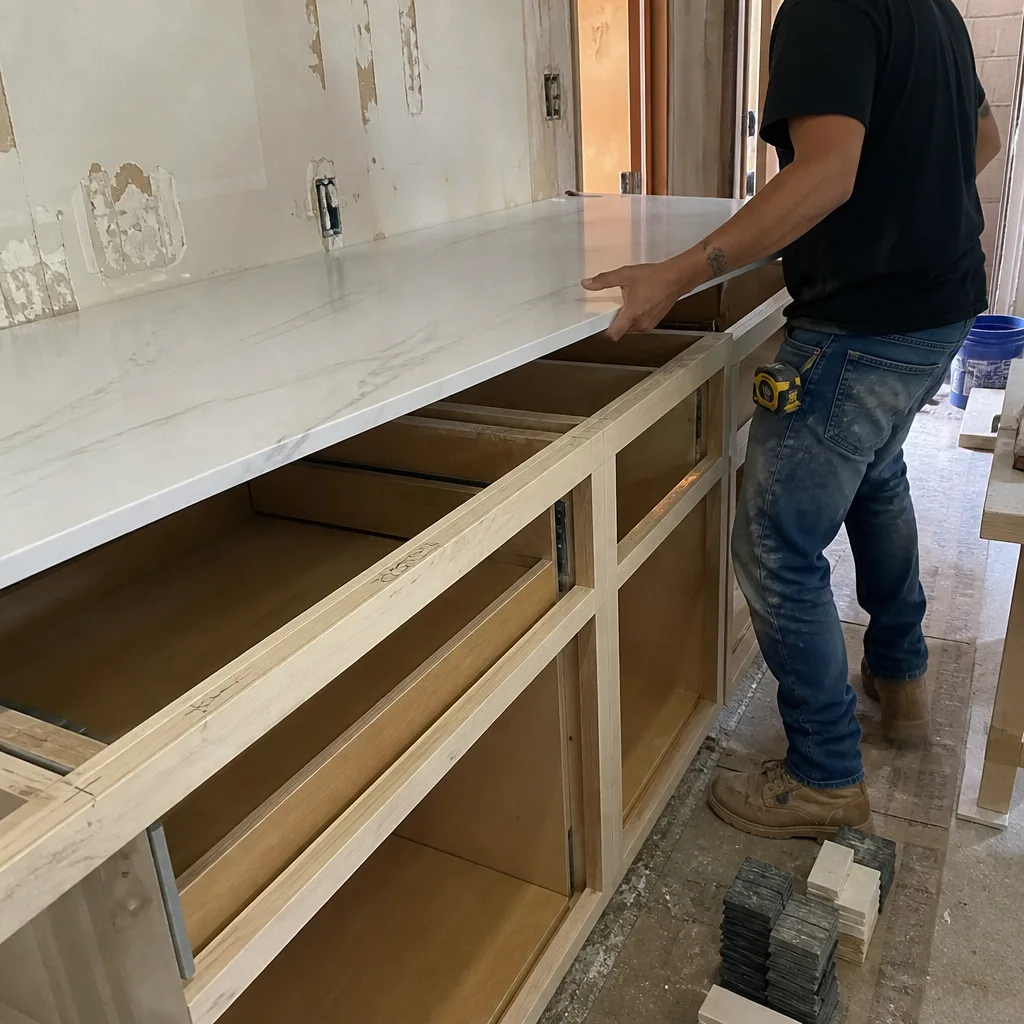
These ranges reflect permit valuations and market rates we’ve tracked across Anaheim projects since 2020. They’re starting points, not final quotes. Every project receives a written price before work starts, with line-item breakdowns.
| Project Scope | Typical Range | Permit Tier Triggered |
|---|---|---|
| Kitchen remodel (mid-range, 150 sq ft) | $45,000 - $75,000 | City + CalGreen if over $50K |
| Bathroom remodel (full, 50 sq ft) | $22,000 - $38,000 | City |
| Roof replacement (2,000 sq ft, composite shingle) | $14,000 - $22,000 | City |
| Window replacement (whole house, 10 openings) | $12,000 - $20,000 | City if rough opening changes |
| Fence + paver driveway package | $18,000 - $32,000 | City (fence over 6 ft; driveway drainage) |
| Home addition (400 sq ft, slab foundation) | $120,000 - $180,000 | City + County (if applicable) + CalGreen |
| ADU conversion (garage, 400 sq ft) | $85,000 - $140,000 | City + CalGreen |
Several factors push these numbers up or down. Anaheim’s older housing stock - particularly in the Colony district and parts of West Anaheim - often conceals unpermitted additions, outdated electrical panels, or galvanized plumbing that must be brought to code before new work proceeds. We photograph existing conditions during the initial visit and note potential code-trigger upgrades in the written quote. The homeowner knows the full scope before signing, not after demolition starts.
Material selection matters. A kitchen with KraftMaid semi-custom cabinets, Cambria quartz countertops, and standard appliance packages sits at the lower end of our range. Wellborn inset cabinets with Caesarstone premium surfaces and panel-ready appliances push toward the upper end. Both receive the same written warranty and photo documentation; the difference is in the material specification, not the process.
How Santa Ana Winds Shape Material Choices
Anaheim sits in the Santa Ana winds corridor. From October through March, sustained gusts of 40-60 mph are common, with peak events reaching 80 mph in exposed areas like Anaheim Hills and the eastern ridgeline. These winds don’t just rattle windows; they test every exterior system on a home.
Roofing: Beyond the Shingle
Standard roofing specifications assume moderate wind exposure. In Anaheim, we upgrade underlayment and fastening patterns. GAF FeltBuster or Owens Corning ProArmor synthetic underlayments replace standard felt; both carry enhanced wind warranties when installed with six-nail patterns per shingle in wind zones. The incremental cost is $800-$1,400 on a typical roof, but the failure mode it prevents - lifted shingles, water intrusion, interior damage - costs ten times that to remediate.
In the hills above Yorba Linda Boulevard and along the eastern city boundary, we’ve specified GAF Timberline HDZ with LayerLock technology and Owens Corning Duration STORM impact-resistant shingles. Both products lock together at the nailing strip, creating a unified wind surface rather than individual shingle tabs that can lift independently. The specification is written into the quote; the homeowner approves it before materials are ordered.
Exterior Paint and Sealants
Santa Ana winds carry fine desert dust that abrades exterior coatings and drives moisture into microscopic cracks. In Anaheim, we specify elastomeric paint systems for stucco - Sherwin-Williams Loxon XP or equivalent - with a 10-mil dry film thickness rather than standard 4-mil latex. The material cost doubles, but the service life extends from 5-7 years to 12-15 in wind-exposed elevations.
For wood trim and fascia, we use oil-based primers with acrylic topcoats, never all-acrylic systems on bare wood. The primer bites into the grain; the acrylic flexes with temperature swings. We’ve re-painted too many Anaheim homes where the previous contractor skipped the primer, and the Santa Ana winds sandblasted the finish off within three years.
Windows, Doors, and Structural Connections
Sliding glass doors and large window walls - popular in Anaheim’s mid-century and contemporary homes - require positive-locking hardware in wind zones. Standard sliding door latches can vibrate open in sustained gusts. We specify multi-point locking systems on all replacement doors over 6 feet wide, with through-bolted strike plates into the framing. The hardware adds $200-$400 per door; the security and weather integrity it provides is not negotiable in our specifications.
The Documentation Checklist Every Homeowner Needs
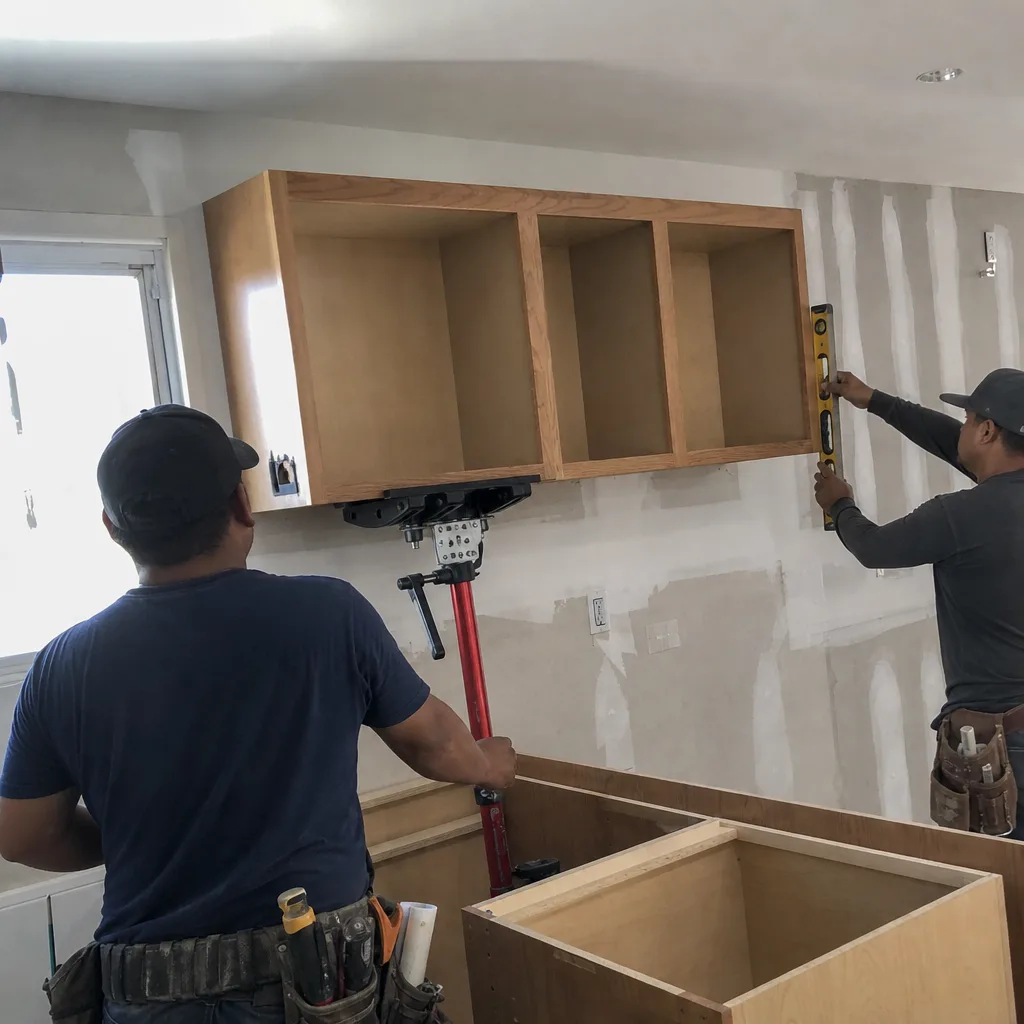
Permits and inspections protect safety. Documentation protects resale value. In Anaheim’s competitive housing market, where buyers and their lenders scrutinize improvement histories, incomplete records can delay or derail a sale.
Before Work Starts
- Verify contractor license: Use the California State License Board lookup to confirm active status, bond, and workers’ compensation coverage. Screenshot the results.
- Request a written quote with scope, price, and warranty: Under Clause 1 of the Haven Standard, we provide this before any work starts. The quote should specify materials by brand and model, not generic descriptions like “premium cabinets” or “quality shingles.”
- Confirm permit requirements: Call Anaheim Building Division at (562) 245-4592 or check Anaheim Anytime online. Ask specifically whether your project triggers CalGreen.
- Photograph existing conditions: Date-stamped photos of every surface to be modified. We include this as standard; if your contractor doesn’t, do it yourself.
During Construction
- Retain all change orders: Any modification to scope, price, or timeline must be in writing and signed by both parties. No exceptions. This is the administrative discipline that has kept Rowan’s projects within a few percent of the agreed cost.
- Document inspection approvals: Anaheim inspectors leave green tags for approval, red tags for corrections. Photograph every tag, every visit. These become your proof of code compliance.
- Maintain the photo record: We provide dated, geotagged photos of work in progress - substrate conditions, material installation, final finish. Homeowners receive these via shared folder, not buried in a proprietary app.
After Completion
- Final inspection sign-off: The green tag or electronic approval from Anaheim Building Division. This is your Certificate of Occupancy or completion authorization.
- Written warranty: Rowan’s 365-Day Done Right Promise is printed, not promised verbally. It specifies what is covered, for how long, and how to initiate a claim.
- Lien releases: From the general contractor and every subcontractor or material supplier. In California, unpaid subcontractors can file mechanics liens against your property even if you paid the general in full. Releases protect your title.
- Permit history update: Verify that Anaheim’s records show your project as complete. This typically takes 2-4 weeks after final inspection.
Anaheim-Specific Resources and Where to Find Them
These are the actual offices, URLs, and tools Anaheim homeowners need. Bookmark them before starting any project.
- Anaheim Building Division: 200 S. Anaheim Boulevard, Anaheim, CA 92805. (562) 245-4592. Permits and plan review: anaheim.net/departments/building
- Anaheim Anytime (online permitting): anaheim.net/departments/building/permits-and-inspections
- Fee schedule: Published on the building department page; updated annually. Current residential plan check fee: $180 base plus $0.0085 per dollar of valuation over $5,000.
- California State License Board (contractor lookup): cslb.ca.gov/OnlineServices/CheckLicenseII
- Orange County ParcelMap (jurisdiction verification): ocassessor.org/parcel-maps
- CalGreen compliance resources: hcd.ca.gov/building-standards/greenbuilding.shtml
The Building Division’s public counter hours are 7:00 a.m. to 4:00 p.m., Monday through Friday. Plan review times vary by project complexity; simple remodels typically clear in 2-3 weeks, ADUs in 6-8 weeks. The division publishes current turnaround estimates on their homepage.
Choosing a Contractor: What the Paperwork Should Show
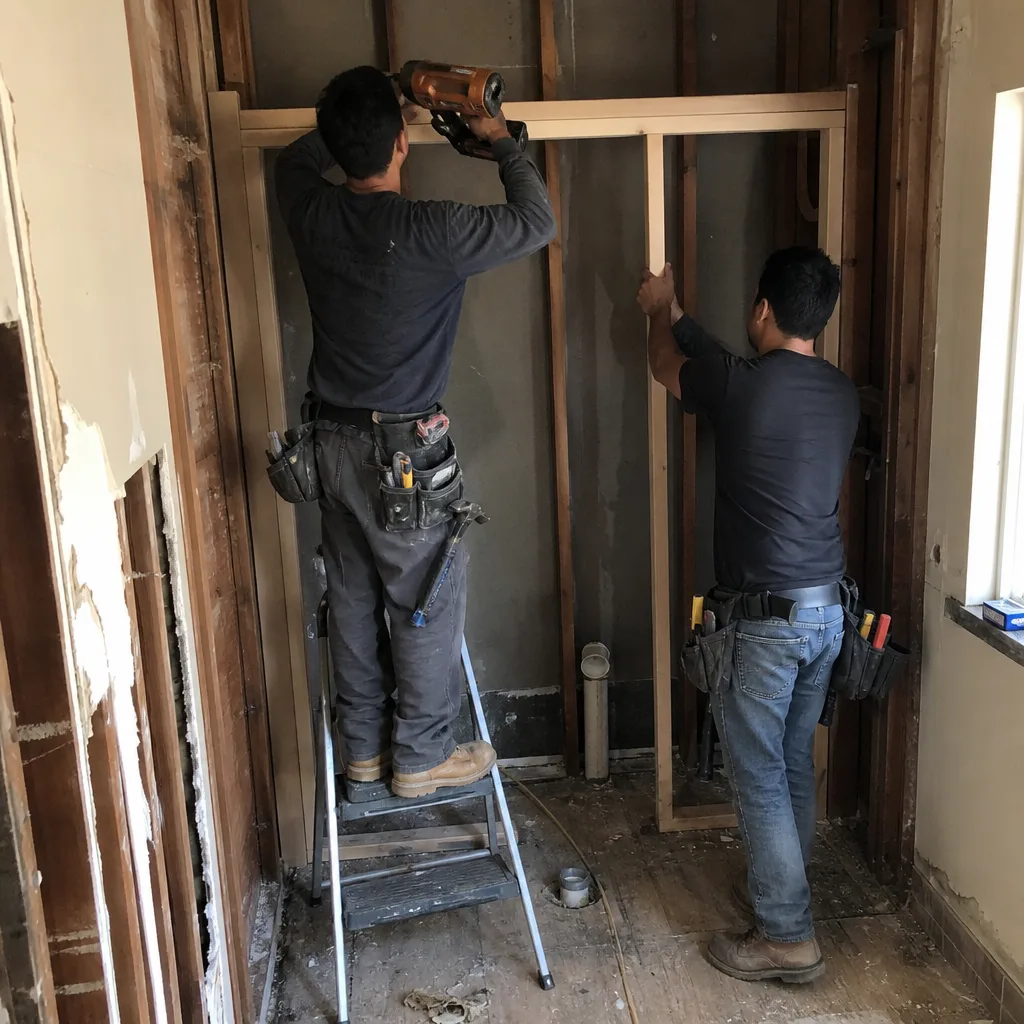
In Anaheim’s construction market, the difference between a competent contractor and a risky one is visible in the documents they produce before work starts. Here’s what we believe every homeowner should demand.
A written price, not an estimate range. “About $30,000-$45,000” is not a price. It’s a guess. Our quotes specify the exact dollar amount, with line items for materials, labor, permits, and CalGreen compliance where applicable. The total is the total; change orders are the only mechanism for adjustment, and they require signatures from both parties.
Material specifications by brand and model. “Granite countertops” tells you nothing. “Cambria Brittanicca Warm, 3cm thickness, eased edge profile, with undermount sink cutout” tells you exactly what you’re buying. We name fifty-plus vetted brands across our trades - KraftMaid and Wellborn for cabinets, GAF and Owens Corning for roofing, Belgard and Techo-Bloc for pavers - because generic specifications invite substitution with lower-grade products.
A documented process for changes. Every project encounters unknown conditions. The question is how they’re handled. Our change orders describe the condition found, the proposed fix, the price impact, and the schedule impact. No work proceeds until the document is signed. This discipline, acquired by Haven when they brought Rowan into their operating standard, is why our projects finish within a few percent of the original quote.
Proof of documentation delivery. Ask prospective contractors: “What will I receive at the end of this project?” The answer should include permit approvals, inspection records, photo documentation, warranty terms, and lien releases. If the answer is “a finished project,” keep looking.
We offer a Free Second Opinion on any written estimate from another contractor. Bring your quote to our office or email it in; we’ll review it line by line at no charge. Not to undercut - to show you what questions to ask before you sign.
Common Mistakes to Avoid
- Skipping permit research for “minor” work. Anaheim requires permits for fence construction over 6 feet, driveway replacements that alter drainage, and window installations where the rough opening changes size. Homeowners who assume these are “just repairs” face stop-work orders and doubled fees for after-the-fact permitting.
- Ignoring the county layer. Properties near Anaheim Hills, the eastern ridgeline, or certain pocket neighborhoods may sit in unincorporated Orange County. City permits applied for in error are rejected, not transferred; the application fee is not refunded.
- Underestimating Santa Ana wind exposure. Standard roofing underlayment, all-acrylic exterior paint, and single-point door latches fail prematurely in Anaheim’s wind corridor. The savings on materials become costs on early replacement.
- Accepting verbal warranties. A contractor who promises to “make it right” without written terms is offering a handshake, not a guarantee. The 365-Day Done Right Promise is printed on every page of our quotes, with specific coverage terms and claim procedures.
- Neglecting lien release collection. California mechanics lien law allows subcontractors to file against your property for unpaid bills, even if you paid the general contractor in full. Collect releases from every party; it’s your only protection.
- Starting work before the written quote is complete. Pressure to “get going” before all specifications are finalized leads to the most expensive change orders. Under Clause 1, we do not start work until the quote is complete and signed; no exceptions.
When to Call a Professional
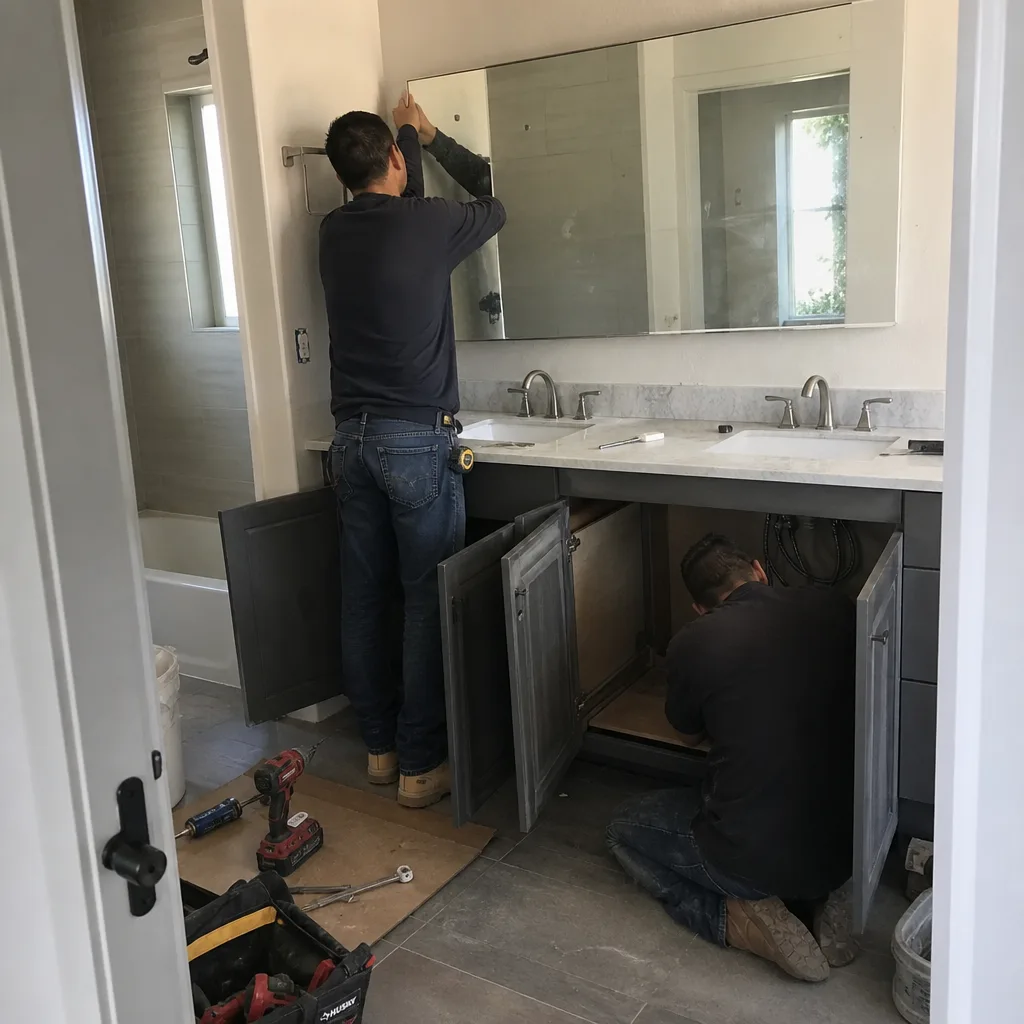
Some construction decisions are DIY-appropriate: painting a bedroom, replacing cabinet hardware, installing a basic fence under 6 feet on flat ground. Others require licensed expertise by law or by risk.
Call a licensed contractor for any project involving structural walls, electrical panel work, gas line modification, or roof replacement. California law requires a C-10 (electrical), C-36 (plumbing), or B-General license for these trades. Unlicensed work voids homeowner’s insurance coverage for resulting damage and exposes you to liability if a worker is injured.
In Anaheim specifically, call a professional when your project involves multiple permit tiers - city, county, and CalGreen - or when your home’s age (pre-1980) suggests potential asbestos, lead paint, or ungrounded electrical systems. The cost of professional assessment is minor compared to the cost of discovering these conditions mid-project.
Rowan Construction Group Anaheim offers free estimates for every trade we cover - kitchen remodeling, bathroom remodeling, roofing, windows and doors, fence installation, driveway and pavers, and home additions including ADUs. Every estimate includes a written price, material specifications by brand and model, and a clear statement of permit requirements. Call (562) 245-4592 to schedule yours.
Frequently Asked Questions
A mid-range kitchen remodel in Anaheim typically costs $45,000 to $75,000 for a 150-square-foot space, including permits, CalGreen compliance if over $50,000, and standard material specifications. High-end finishes with custom cabinetry and premium appliances push toward $90,000-plus. Call (562) 245-4592 for a written quote with exact numbers for your space.
Yes, if the project involves tear-off of existing shingles or tiles. Overlay projects (new shingles over old) sometimes bypass permitting, but we don’t recommend them; they conceal substrate damage and void most manufacturer warranties. The city permit for a standard roof replacement costs $400-$700 and includes two inspections: one after tear-off and substrate repair, one at completion.
Simple remodels with complete plans typically clear in 2-3 weeks. ADUs and home additions require 6-8 weeks for initial review, plus revision cycles if the city requests changes. Incomplete applications are the most common delay; we submit only after plans are fully developed, with CalGreen worksheets included where required.
CalGreen is California’s mandatory green building code, applying to new construction and residential additions over $50,000 in valuation. It mandates water-efficient fixtures, construction waste diversion, and low-VOC materials. In Anaheim, a typical kitchen remodel over $50,000 adds $800-$2,500 in CalGreen-specific costs, itemized in our written quotes.
At Rowan Construction Group Anaheim, no work proceeds on a change until the change order is signed. Unknown conditions - rot in wall cavities, outdated wiring, unpermitted previous work - can require additional scope, but we document the condition with photos, describe the fix, and quote the price before any modification. This discipline has kept our projects within a few percent of the original agreed price since 2007.
Santa Ana winds in Anaheim regularly reach 40-60 mph sustained, with gusts to 80 mph in exposed areas. We specify enhanced underlayment (GAF FeltBuster or Owens Corning ProArmor), six-nail shingle patterns, and elastomeric exterior coatings in wind-exposed zones. These upgrades add 8-12% to material costs but prevent the premature failure we’ve seen in standard-specification installations.
Keep final inspection approvals, the written warranty, all change orders, dated photo records, and lien releases from every contractor and supplier. In Anaheim’s resale market, buyers and lenders increasingly request permit history verification; complete documentation protects your sale price and timeline. We provide all of these as standard deliverables, not upgrades.
The Bottom Line
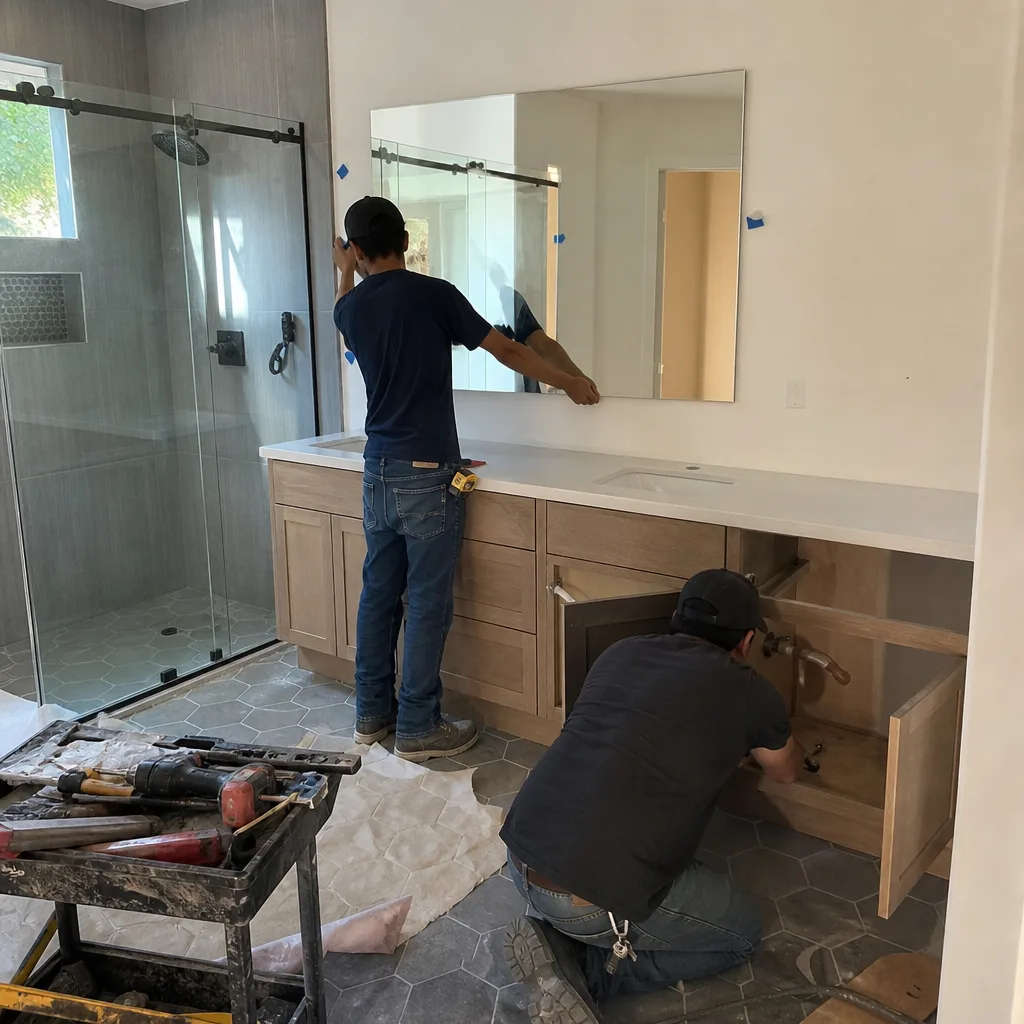
Construction in Anaheim rewards preparation. The three-tier permitting structure - city, county, CalGreen - is navigable when understood before application. Material specifications that account for Santa Ana wind exposure cost more upfront and save substantially over a home’s lifecycle. Documentation collected before, during, and after construction protects both safety and resale value.
The homeowners who finish on budget and on schedule are those who treat the pre-construction phase with the same seriousness as the build itself: verified licenses, written prices, complete permit applications, and a contractor whose process is documented rather than promised. That’s the standard we’ve operated under since 2007, across 4,000-plus projects, and it’s the standard we apply to every Anaheim home we work on.
Ready to price your project with numbers you can screenshot and compare? Call (562) 245-4592 to schedule your free estimate. We’ll review your scope, identify the permit tiers that apply, and deliver a written price before any work starts - always, under Clause 1 of the Haven Standard.
Written by Grant Rowan, Owner at Rowan Construction Group Anaheim, serving Anaheim since 2007.