
Last updated September 24, 2026
Free written scope consultation - allowances, timeline, and change-order rules on paper before a single trade is scheduled
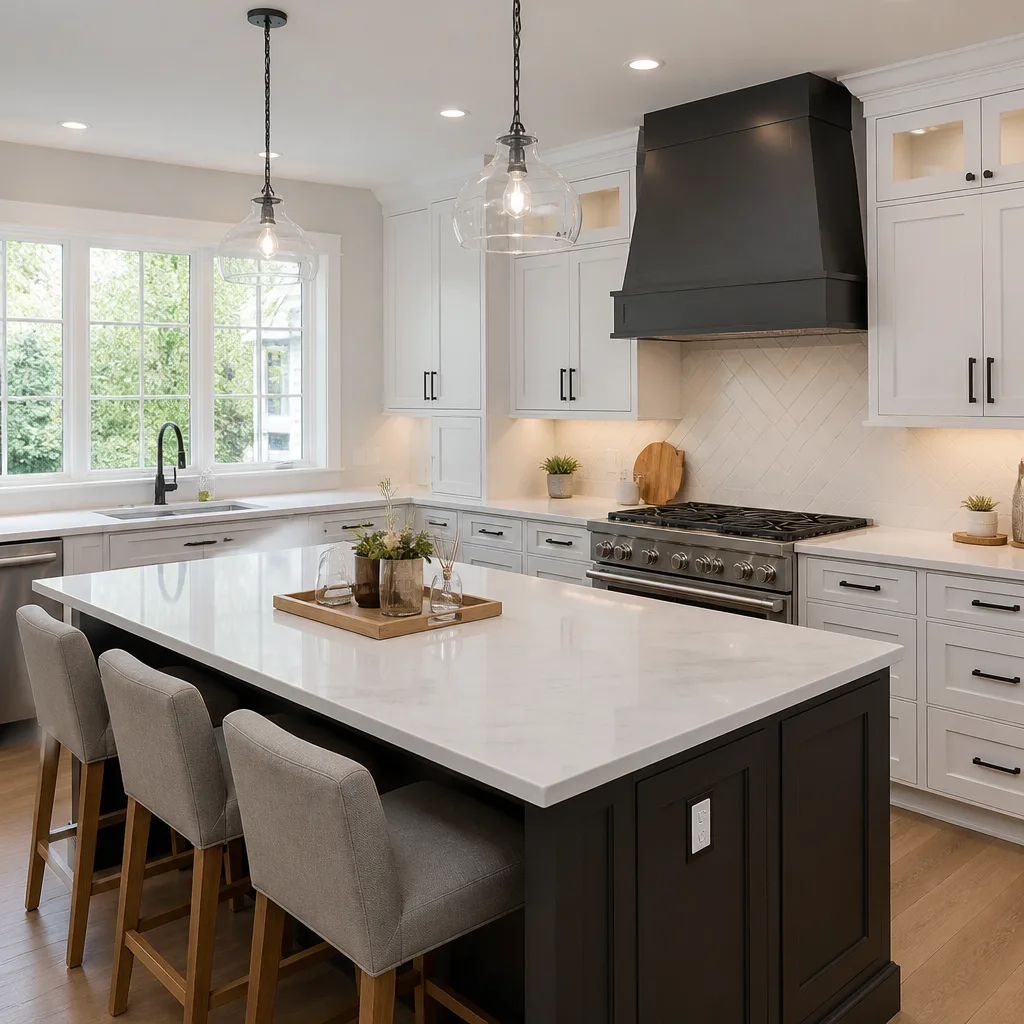
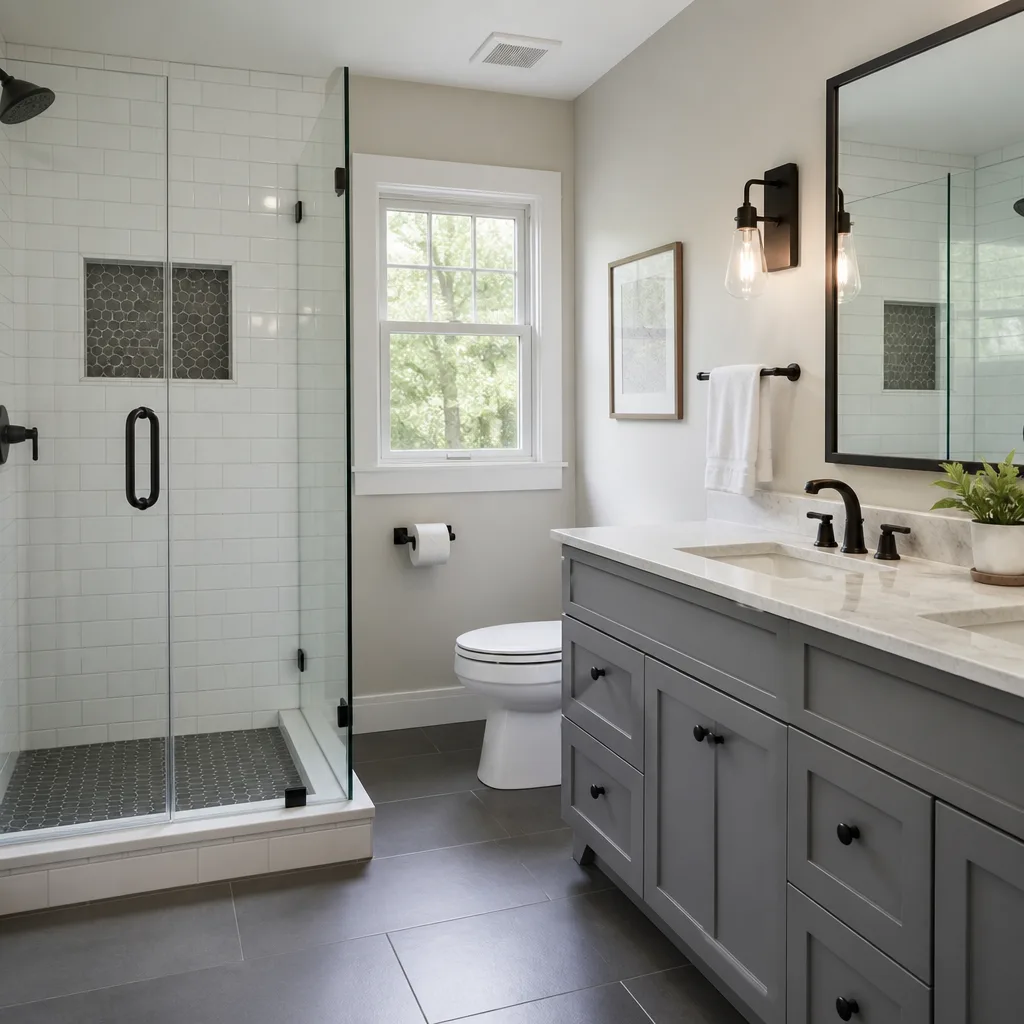


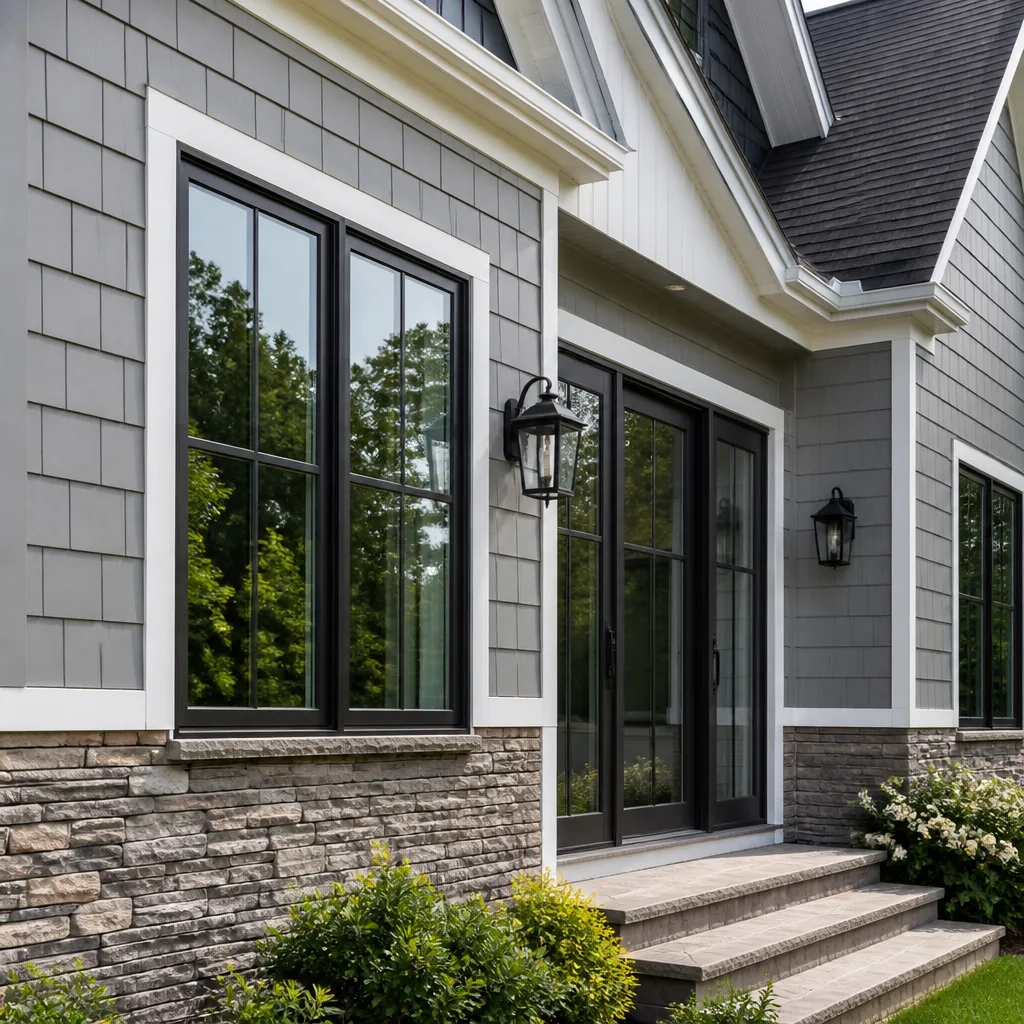
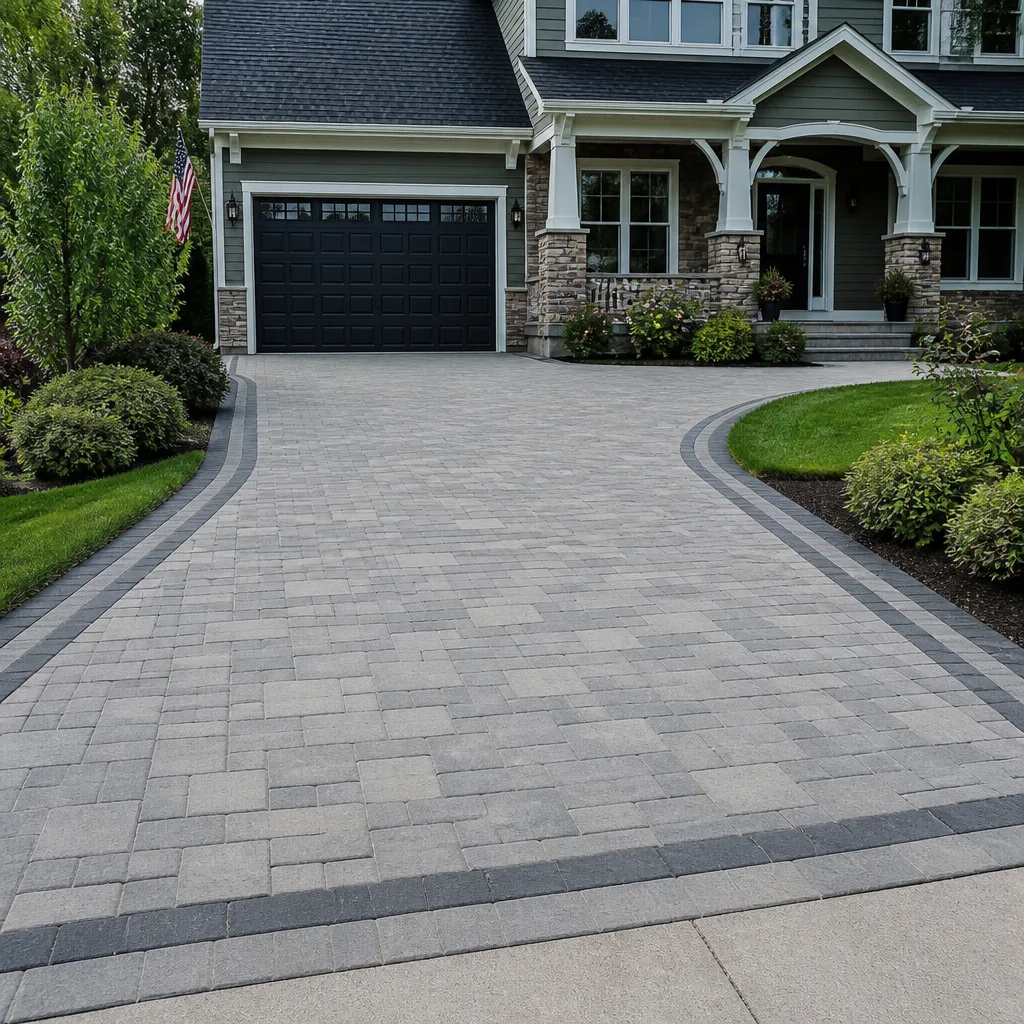

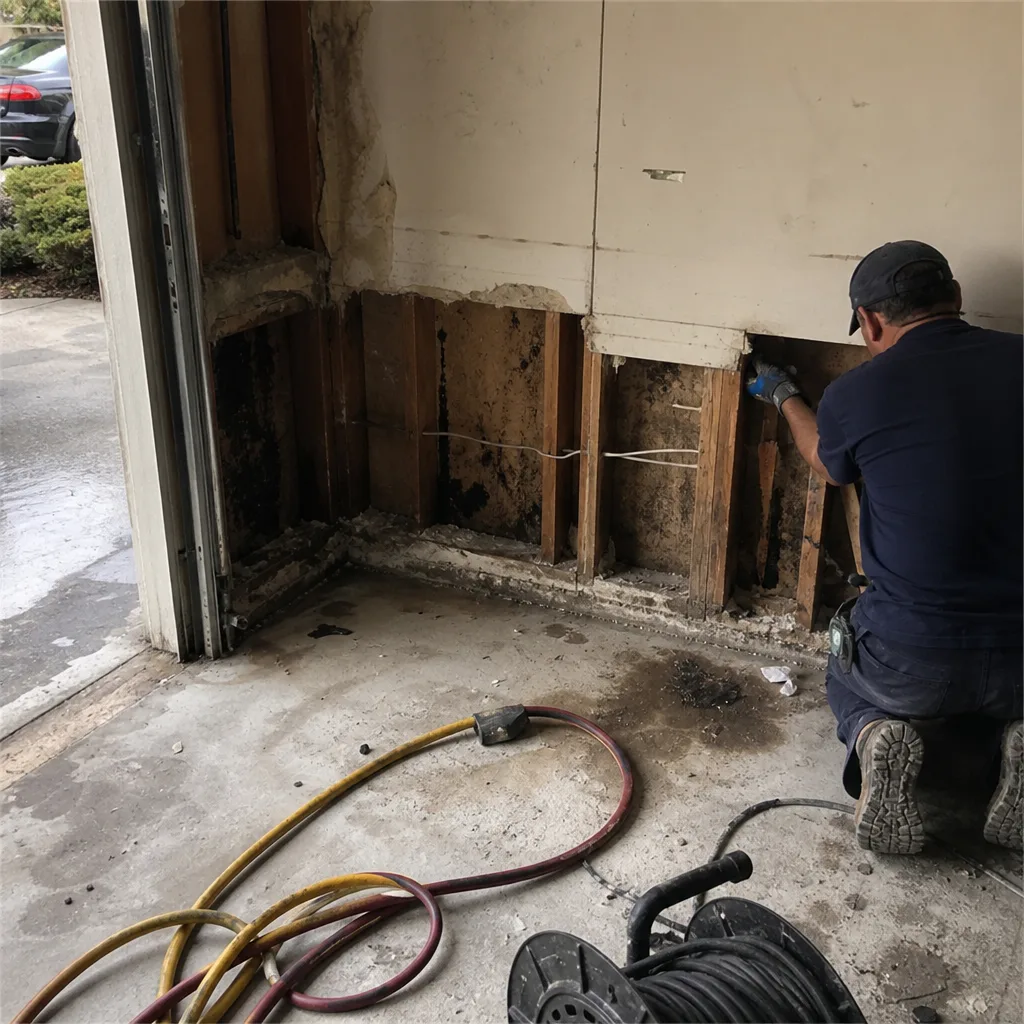 Before
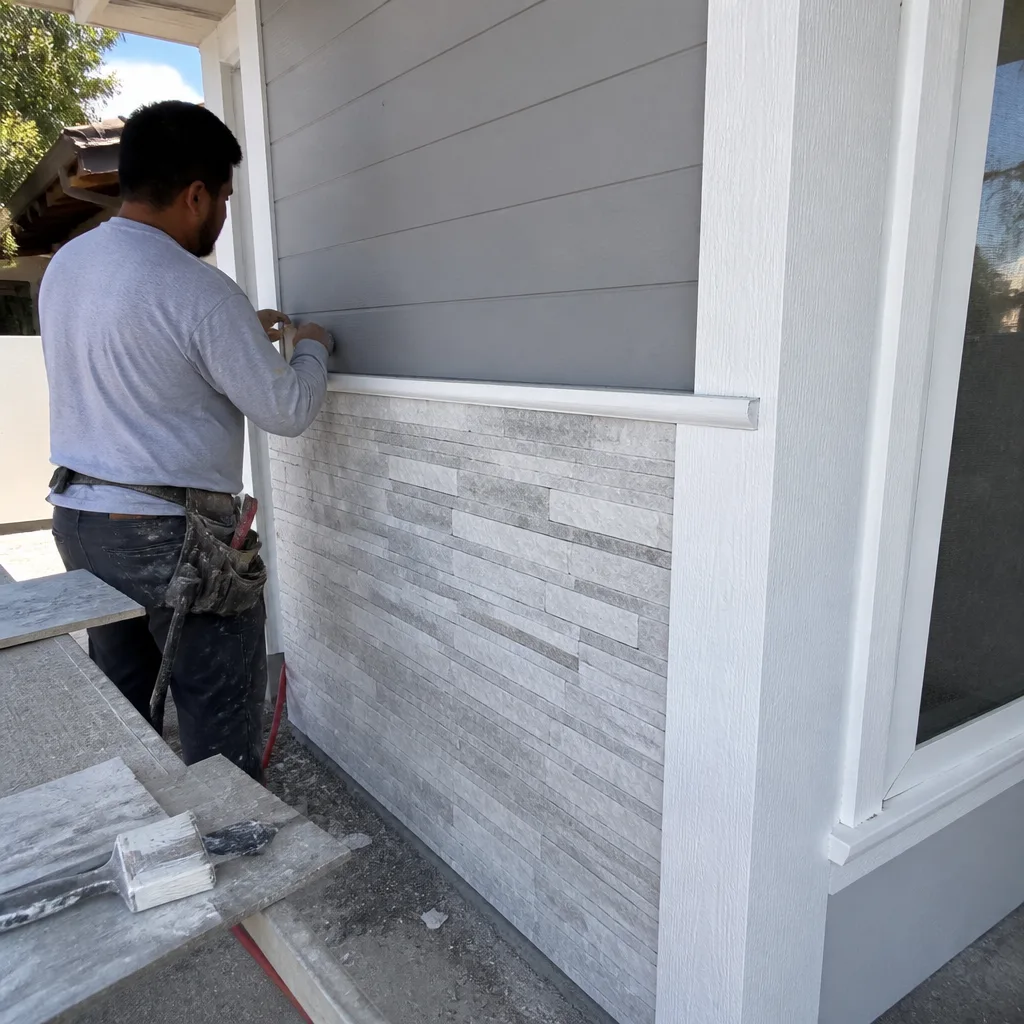 After
After Before
 After
After Before
 After
AfterDIY vs Professional Construction: The Anaheim Homeowner’s Decision Guide
A homeowner in California who installs their own electrical panel and sells the house three years later without disclosure is not just liable for the repair. They’re potentially liable for fraud, because California Civil Code §1102 requires disclosure of unpermitted work the seller knew about. In Anaheim, where median home values have climbed past $800,000 and buyers routinely order third-party inspections, that liability can erase years of equity. This guide will show you exactly where California law draws the line between legal owner-builder work and licensed-contractor territory, what unpermitted work actually costs when you account for insurance voidance and resale risk, and how to structure a hybrid project that keeps your savings without exposing your asset.
Quick Answer
Most Anaheim homeowners should hire a licensed contractor for any work involving electrical, plumbing, HVAC, or structural modification, because California law ties unpermitted work to resale disclosure obligations and insurance voidance that typically exceed labor savings. If you’re unsure how to vet a professional, see our guide on How to Hire a Construction Contractor in Anaheim: A Step-by-Step Guide. DIY makes financial sense only for cosmetic, non-structural work like interior painting, landscaping outside the foundation drip line, and furniture assembly, where no permit triggers and no licensed trade is involved.
Table of Contents
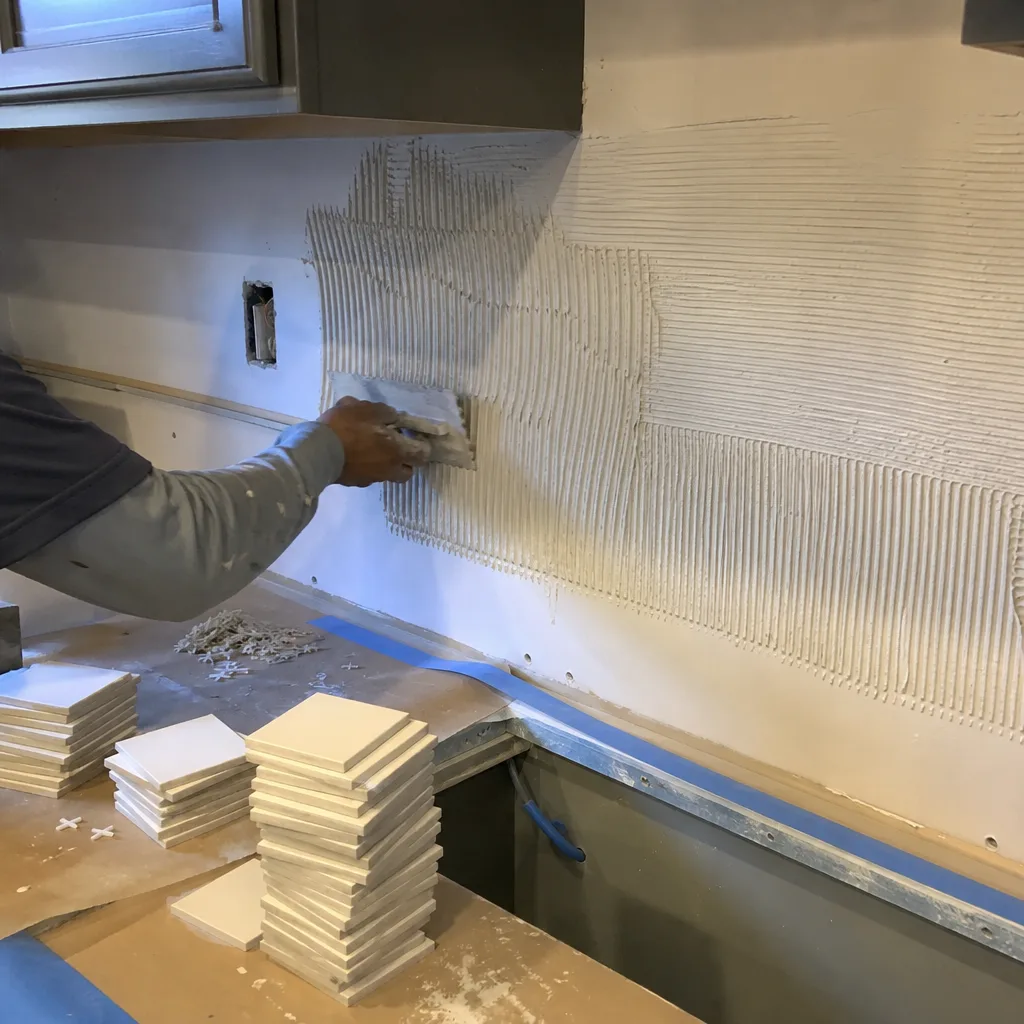
- The California Legal Boundary: What You Can and Cannot Self-Permit
- True Cost Analysis: Three Anaheim Projects Compared
- Homeowner’s Insurance and Unpermitted Work
- Where DIY Actually Makes Financial Sense in Anaheim
- Where the Liability Math Always Favors Licensed Contractors
- How to Structure a Hybrid Project
- Common Mistakes to Avoid
- When to Call a Professional
 Before
 After
AfterThe California Legal Boundary: What You Can and Cannot Self-Permit
California allows homeowners to act as their own “owner-builder” on a single-family residence they intend to occupy, but the exemption is narrower than most Anaheim homeowners assume. The owner-builder exemption applies to permitting, not to licensing. You can pull the permit yourself, but you still cannot perform work that requires a state contractor’s license unless you hold that license.
The critical distinction: the California Contractors State License Board (CSLB) regulates who can do the work, while the City of Anaheim Building Division regulates what must be permitted. These are separate compliance layers, and satisfying one does not satisfy the other.
Here are the license classifications that matter for Anaheim residential work:
- C-10 Electrical: Any work beyond replacing a like-for-like receptacle or switch requires a licensed electrician. Adding circuits, upgrading panels, or installing subpanels is C-10 territory. We’ve seen Anaheim homeowners in the Platinum Triangle area pull owner-builder permits for kitchen remodels, then perform their own electrical rough-in. The CSLB considers this unlicensed contracting, and the penalty is administrative citation plus potential misdemeanor charges.
- C-36 Plumbing: Replacing a faucet or a toilet is within homeowner scope. Moving a drain line, replacing a water heater, or modifying gas lines requires a C-36 license. In Anaheim’s older neighborhoods like Anaheim Colony, where galvanized supply lines are common, we’ve documented pinhole corrosion that homeowners discover during “simple” bathroom projects. The repair often requires a C-36 to replace the lateral.
- C-20 HVAC: Duct cleaning and filter replacement are homeowner work. Any refrigerant handling, duct modification, or equipment replacement requires C-20 certification under EPA Section 608. Anaheim’s cooling-load requirements, driven by inland Orange County summer temperatures that regularly hit 95°F, mean that homeowner-installed mini-splits often fail to meet Manual J calculations. The permit inspector will flag this.
- B General Building: Structural modifications, including load-bearing wall removal, second-story additions, and ADU construction, require a B-licensed contractor or an appropriately licensed specialty contractor working within their classification. The owner-builder exemption for structural work is limited to projects under $500 in labor and materials, which effectively excludes any meaningful residential construction.
The City of Anaheim requires permits for: electrical panel upgrades, water heater replacements, window installations where the opening is modified, re-roofing (with specific requirements for fire-resistant underlayment in wildland-urban interface zones), and any structural modification. Permits are not required for: interior painting, flooring replacement (like-for-like), cabinet installation where no plumbing or electrical is modified, and landscaping outside the foundation perimeter.
Here’s the practical test we use when advising Anaheim homeowners: if the work requires a trade skill that takes more than 40 hours to acquire competently, or if a mistake could cause structural failure, fire, or flooding, the law requires a license and your insurance expects a permit. The owner-builder exemption is designed for the competent homeowner doing straightforward work, not for cost-avoidance on complex trades.
True Cost Analysis: Three Anaheim Projects Compared
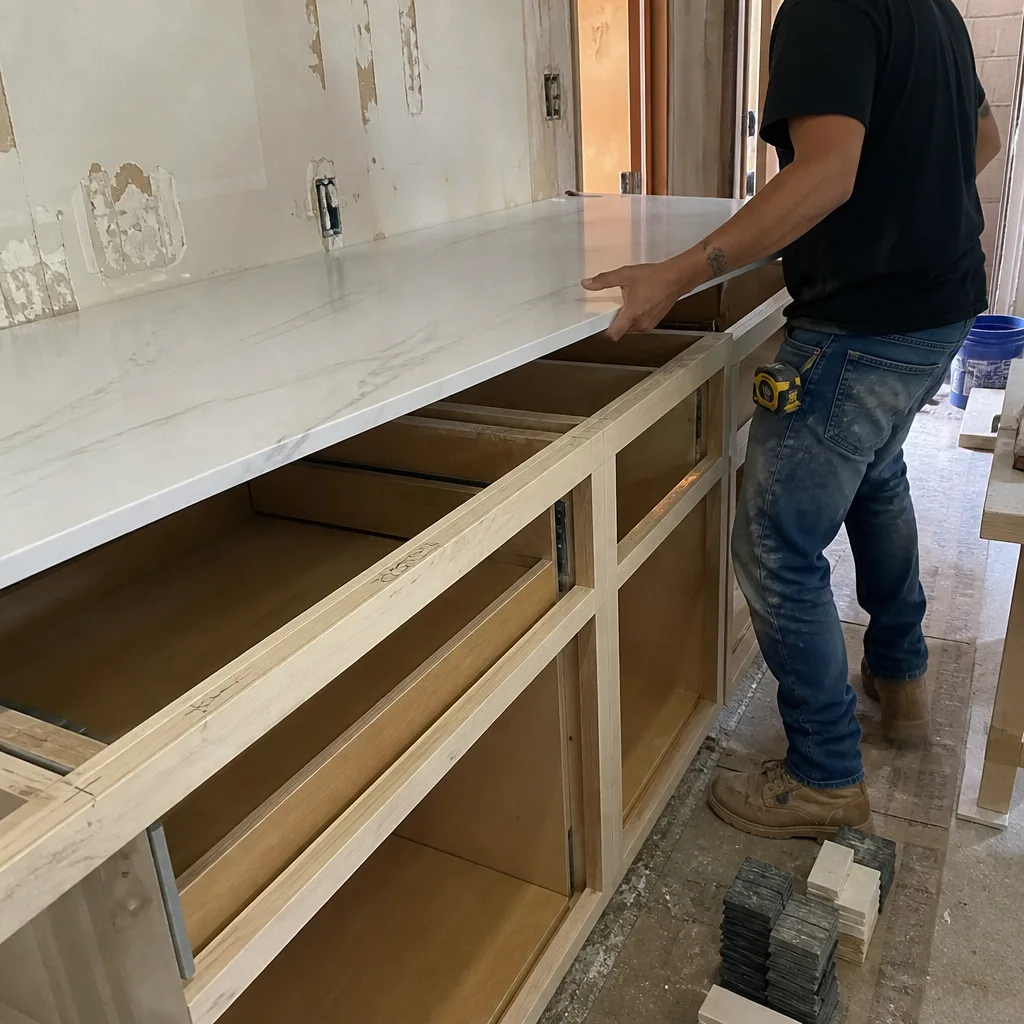
The standard DIY cost comparison stops at materials versus contractor bid. That comparison is wrong. The true cost includes tools, permit fees, time at opportunity cost, and the risk-weighted cost of error. We’ve built the following analysis using Anaheim market rates from 2024-2025, with labor valued at $35 per hour (a conservative estimate for Orange County professional-class opportunity cost).
Project 1: Bathroom Tile Replacement (5′ x 8′ floor, tub surround to 6′)
| Cost Component | DIY | Licensed Contractor (Rowan Anaheim range) |
|---|---|---|
| Materials: porcelain tile, mortar, grout, backer board, waterproofing membrane | $1,400-$1,800 | $1,400-$1,800 (same materials, trade pricing) |
| Tools: wet saw rental ($85/day x 3 days), mixing paddle, trowels, level, spacers | $340-$420 | $0 (owned) |
| Permit: Anaheim bathroom alteration permit | $380 | $380 (included in bid) |
| Labor time: 40 hours (removal, prep, install, grout, seal) | $1,400 opportunity cost | $0 (your time) |
| Risk adjustment: 15% chance of lippage or membrane failure requiring $800 rework | $120 risk-weighted | $0 (warranty covers) |
| Total True Cost | $3,640-$4,120 | $3,800-$4,600 |
For bathroom tile, the DIY savings are $160-$480 if everything goes right. In our experience across Bathroom Remodeling in Anaheim, the failure rate for first-time tilers on floor-to-ceiling tub surrounds exceeds 30% when waterproofing is involved. The Schluter-Kerdi membrane system we specify requires specific mortar consistency and embedment pressure that takes practice to judge. One pinhole in the membrane, undetected, means a $2,400 gut-and-rebuild in three years when the subfloor rots.
Project 2: Exterior Door Installation (prehung fiberglass, replacing existing)
| Cost Component | DIY | Licensed Contractor |
|---|---|---|
| Door unit (Therma-Tru or similar, mid-grade) | $800-$1,200 | $800-$1,200 |
| Tools: finish nailer rental, level, shims, caulk gun, foam gun | $180-$240 | $0 |
| Permit: Anaheim door/window replacement (if rough opening modified) | $180 | $180 |
| Labor time: 8 hours including trim and hardware | $280 opportunity cost | $0 |
| Risk adjustment: 20% chance of air infiltration or water intrusion requiring $400 remediation | $80 risk-weighted | $0 |
| Total True Cost | $1,520-$1,980 | $1,600-$2,200 |
The door installation is closer to break-even, but with a critical caveat: if the rough opening needs modification, you’ve entered structural work that Anaheim requires a permit for, and that modification requires understanding of load path. We’ve documented cases in Anaheim Hills where homeowners enlarged door openings without proper header installation, resulting in sagging frames and cracked drywall within 18 months. The repair requires a B-licensed contractor and costs 4x the original installation.
Project 3: Electrical Subpanel Addition (100A subpanel for ADU or garage)
| Cost Component | DIY | Licensed C-10 Electrician |
|---|---|---|
| Materials: subpanel, breakers, SER cable, conduit, grounding | $600-$900 | $600-$900 |
| Tools: conduit bender, torque screwdriver, multimeter, fish tape | $340-$480 | $0 |
| Permit: Anaheim electrical permit + plan review | $450 | $450 |
| Labor time: 12 hours (stated; actual for first-timer: 24+ hours) | $420-$840 opportunity cost | $0 |
| Risk adjustment: 25% chance of code violation requiring $1,200 rework; 5% chance of fire or injury | $300-$600 risk-weighted | $0 |
| Total True Cost | $2,110-$3,270 | $2,400-$3,400 |
The subpanel addition is where the liability math inverts completely. California law prohibits unlicensed electrical work beyond minor repairs. If the work causes a fire, your homeowner’s insurer will investigate permit and license status. We’ve seen claim denials where the adjuster’s report cites “unlicensed electrical modification” as the proximate cause. The labor savings of $290-$1300 are dwarfed by the potential exposure: average fire damage in Anaheim runs $47,000 per incident, and total policy voidance is standard when unlicensed work is discovered.
Under Clause 1 of the Haven Standard, Rowan Construction Group Anaheim home delivers a written price before any work starts on every trade, including electrical coordination through our C-10 partners. The quote includes permit, inspection, and the 365-Day Done Right Promise. No change proceeds without a signed change order.
Homeowner’s Insurance and Unpermitted Work
The standard ISO HO-3 policy, which covers most Anaheim single-family residences, contains specific exclusions that interact badly with unpermitted construction. The policy excludes coverage for “faulty, inadequate, or defective” work, and most carriers interpret unpermitted electrical, plumbing, or structural work as presumptively defective because it bypassed code inspection.
Here’s how this plays out in practice:
- Claim scenario: A homeowner in West Anaheim installs their own water heater without a permit. Two years later, the T&P valve discharge line is improperly routed (a common first-timer error), causing $18,000 in water damage to the finished basement. The insurer sends an adjuster who requests permit records from the City of Anaheim. No permit is found. The claim is denied under the “gradual deterioration” and “faulty installation” exclusions.
- Policy voidance scenario: During a routine renewal review, the carrier’s underwriting department discovers unpermitted electrical work through a prior claim or inspection report. The policy is non-renewed, and the homeowner must seek coverage in the surplus lines market at 2-3x standard rates. Disclosure of the unpermitted work is then required on all future applications, creating a permanent coverage penalty.
- Resale scenario: The homeowner sells without disclosing the unpermitted work, as required by Civil Code §1102. The buyer’s inspection discovers the deficiency. In Anaheim’s current market, where buyers routinely include inspection contingencies and request repairs or credits, this typically results in a $5,000-$15,000 price reduction or deal cancellation. If the buyer discovers post-close that the seller knew and failed to disclose, the claim is for fraud, not just breach of contract, with potential treble damages under California’s Unfair Competition Law.
The critical document in any insurance dispute is the permit record. Anaheim Building Division maintains permit history indefinitely. An insurer’s special investigations unit can access this in minutes. The homeowner who “saved” $800 on labor by skipping the permit has created a permanent, searchable liability attached to the property’s APN.
We’ve documented photo records on every visit since 2007, and we include permit compliance verification as standard. The customer receives: permit application confirmation, inspection schedule, passed inspection documentation, and final permit closure. This record transfers with the property and protects against future disclosure disputes.
Where DIY Actually Makes Financial Sense in Anaheim
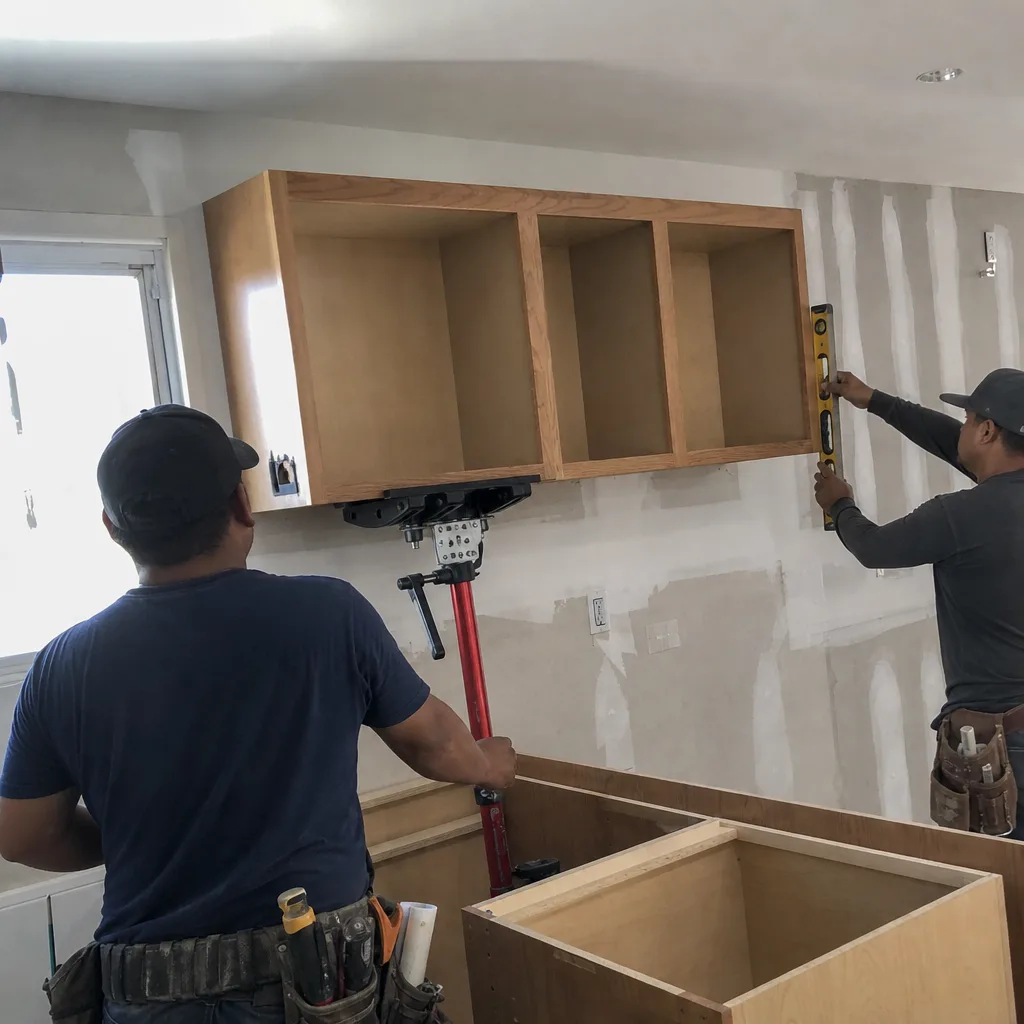
There are three categories where the liability, permit, and skill barriers are low enough that DIY produces genuine savings without material risk. We recommend these routinely to Anaheim homeowners who ask, and cover ongoing care in our Kitchen Remodeling Maintenance Checklist for Anaheim Homeowners and other seasonal resources.
1. Interior Painting
No permit required. No licensed trade involved. Mistakes are cosmetic and correctable. The key is proper prep: Anaheim’s inland climate means wider temperature swings than coastal Orange County, so latex paint needs 4-6 hours between coats in winter months. We specify Sherwin-Williams Duration or Benjamin Moore Aura for our projects, but a homeowner using Behr Premium Plus from Home Depot with proper surface prep (wash, sand, prime bare patches) will achieve acceptable results. True cost for a 12′ x 14′ bedroom: $180 materials + 8 hours at opportunity cost = $460 DIY versus $800-$1,000 contractor. Savings are real and risk is minimal.
2. Landscaping Outside the Drip Line
The “drip line” is the perimeter beneath a tree’s outermost branches, or for construction purposes, the area outside the foundation’s water-shed perimeter. Work here does not affect structure, drainage, or utility lines. Anaheim’s municipal code does not require permits for landscaping outside the foundation, though HOA rules in planned communities like Anaheim Hills may impose design standards. Pavers installed on sand base (not mortar-set), planter beds, and irrigation systems on existing hose bibs are legitimate DIY scope. We specify Belgard and Techo-Bloc pavers for our hardscape projects, but a homeowner using similar products from a local masonry yard with proper compaction (rented plate compactor, $65/day) can achieve functional results for walkways and patios.
3. Furniture Assembly and Interior Installation
Freestanding furniture, window treatments, closet systems, and decorative shelving require no permit and involve no structural connection to the building frame. The risk is limited to wall damage from improper anchor selection. For drywall, use toggle bolts for loads over 30 lbs; for plaster-and-lath in Anaheim’s pre-1960 housing stock, use molly bolts or locate studs. The savings here are 100% of labor, typically $50-$150 per item versus furniture assembly services.
The common thread: no permit, no licensed trade, no structural or weather-barrier function, and errors are reversible with minimal cost. When any of those conditions fail, the DIY math changes.
Where the Liability Math Always Favors Licensed Contractors
Three categories where we’ve never seen DIY produce positive expected value for Anaheim homeowners, once risk is properly weighted.
1. Roofing
Anaheim’s combination of intense summer UV, occasional Santa Ana wind events, and the fire-resistant underlayment requirements for properties near wildland interfaces (per Anaheim Fire & Rescue guidelines) makes roofing a high-skill, high-consequence trade. The Roofing in Anaheim page details our specifications, but the critical point for this guide: a roofing permit requires inspection of tear-off, underlayment, and final installation. Unpermitted roofing voids manufacturer warranties (Owens Corning, IKO, Atlas, and Tamko all require permit documentation for warranty registration) and creates insurance exposure. Falls from single-story roofs cause 150,000 injuries annually; the savings of $2,000-$4,000 on a typical Anaheim reroof do not justify the injury risk and warranty voidance.
2. Kitchen Remodeling with Layout Changes
Moving a sink, range, or refrigerator location triggers plumbing, electrical, and potentially gas line modifications. Each requires a separate permit and licensed trade. The coordination complexity, permit sequencing, and inspection scheduling make this a project management task as much as a construction task. Our Kitchen Remodeling in Anaheim projects average 6-8 weeks with 12-15 inspection touchpoints. A homeowner acting as their own GC faces scheduling conflicts, trade sequencing errors, and the liability of coordinating licensed subcontractors without the contractual framework that protects the property owner. We’ve been called to rescue homeowner-managed kitchen projects in Anaheim Colony where the plumber roughed in before the electrician, requiring $3,400 in wall demolition to resequence.
3. ADU and Home Addition Construction
California’s ADU laws streamlined permitting but did not reduce the technical requirements. An ADU in Anaheim requires: foundation per geotechnical report (Anaheim has expansive soil zones in the eastern flatlands), Title 24 energy compliance, fire separation where attached, and utility coordination with Anaheim Public Utilities. The owner-builder exemption is functionally unavailable for ADUs because the project value exceeds the $500 threshold by orders of magnitude. We’ve delivered home additions in Anaheim since 2007, and every project involves 20+ permit inspections and 6-8 trade contractors. The liability of coordinating this without a B-licensed contractor includes potential stop-work orders, code violation citations, and the cost of correcting work that fails inspection.
How to Structure a Hybrid Project
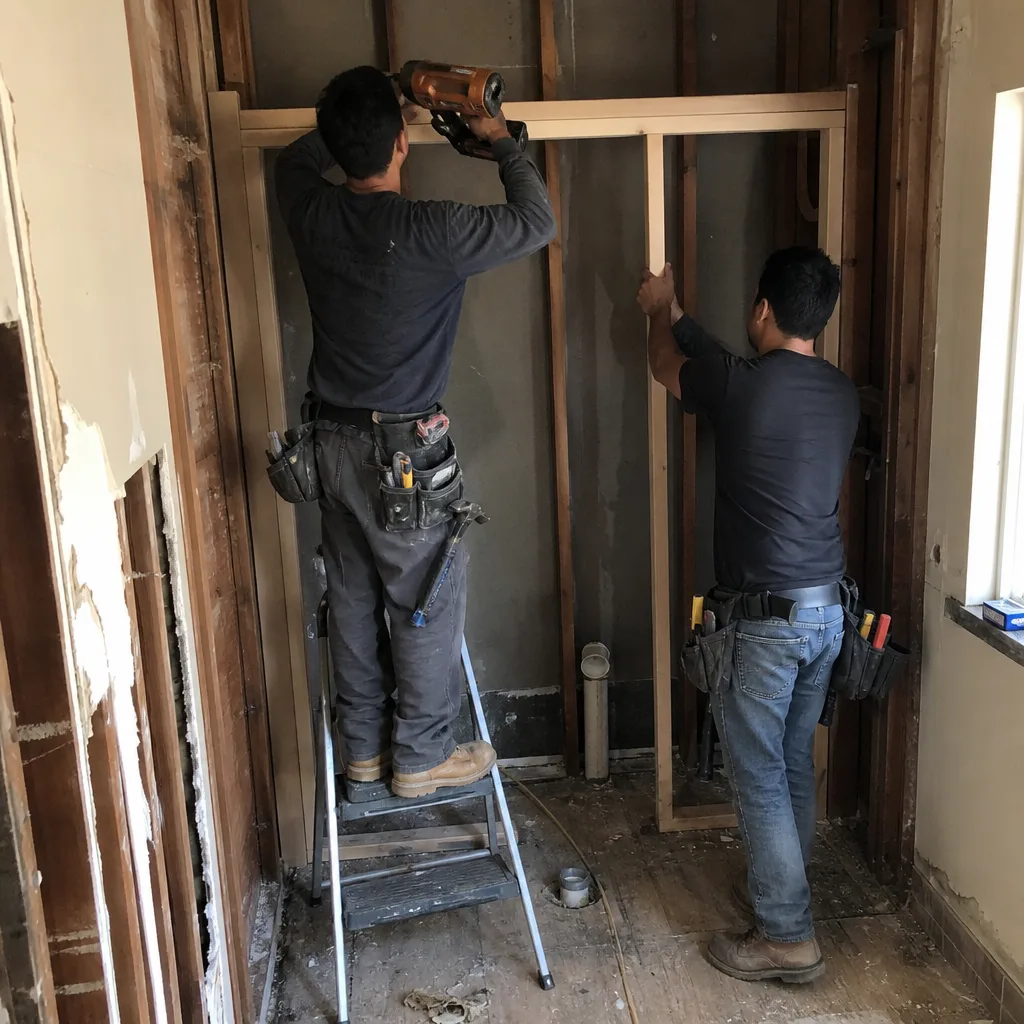
The most cost-effective approach for many Anaheim homeowners is legitimate scope-splitting: owner-performed work in the three safe categories, with licensed contractors handling permitted trades. The key is documenting the split for permit compliance and future resale. For year-round upkeep tips, see our Seasonal Construction Care for Anaheim: Year-Round Homeowner’s Guide.
- Define the split in writing before any work starts. The project scope document should explicitly state: “Owner will perform [list: demolition of non-structural finishes, interior painting, landscaping]. Licensed contractor will perform [list: electrical, plumbing, HVAC, structural, roofing] including all permits and inspections.” This document becomes part of the permit application in Anaheim, where the Building Division may request clarification on who is performing which scope.
- Require the licensed contractor to pull all permits in their trade. Do not attempt to pull owner-builder permits for work you are not performing. This creates a permit record that inaccurately reflects who did the work, which becomes a disclosure problem at resale. The contractor’s license number should appear on every permit.
- Obtain lien releases and final inspection sign-offs before final payment. California mechanics lien law gives subcontractors 90 days from completion to file. Your documentation package should include: contractor’s final invoice marked “paid in full,” CSLB license verification printout, certificate of insurance, and copies of all passed inspection cards. We provide this as standard on every Rowan project; homeowners managing their own contractors must request it explicitly.
- Photograph everything. Before, during, and after each phase. The photo record should show: original condition, contractor’s rough-in before close inspection, final finish condition. Store with cloud backup. This is the evidence that protects you in any future dispute. Our crews generate 80-120 photos per project, delivered via customer portal; DIY hybrid managers should aim for comparable documentation.
- Disclose properly at resale. The Transfer Disclosure Statement (TDS) asks specifically about “room additions, structural modifications, or other alterations” and whether permits were obtained. Answer accurately: “Kitchen remodel 2023, permits obtained, copies available.” The permit numbers and inspection records are your defense against post-sale claims.
The hybrid model works when the boundary is clean and documented. It fails when homeowners blur the line, performing “just a little” electrical or plumbing to save money, then omitting the work from disclosure. In Anaheim’s current market, with median days-on-market under 30 and buyers using every contingency, that omission is discoverable and costly.
Common Mistakes to Avoid
- Assuming the owner-builder exemption covers all work on your own home. It covers permitting, not licensing. You still cannot perform C-10, C-36, or C-20 work without holding that license, regardless of whose house it is. Anaheim Building Division will issue the permit based on your attestation, but the CSLB enforces licensing separately, and their penalties apply even to owner-occupiers.
- Skipping the permit because “it’s just a small job.” Anaheim’s threshold for electrical permits is any new circuit or panel modification; for plumbing, any drain line relocation or water heater replacement. The permit fee is typically 1-3% of project cost. The penalty for unpermitted work discovered at sale is 10-30% of project cost in price reduction or repair credits.
- Using unlicensed contractors who “work cheap.” In California, hiring an unlicensed contractor for work over $500 is a misdemeanor for the contractor and voids your mechanics lien rights. If they disappear mid-project, you have no recovery path. Verify every contractor’s license at cslb.ca.gov; the 5-minute check prevents months of dispute.
- Mixing owner and contractor scope without written definition. We’ve mediated disputes where the homeowner painted “just the ceiling” after the contractor’s drywall crew finished, then claimed the paint failure was the contractor’s responsibility. The scope document exists precisely to prevent this.
- Failing to match materials to Anaheim’s climate conditions. Interior paint formulated for mild climates fails prematurely in Anaheim’s summer heat. Roofing underlayment without proper ASTM fire rating fails Anaheim Fire & Rescue inspection. The “same product” from a big-box store may not be the grade specified for local conditions.
- Neglecting to document the photo record. Memory fades, contractors move, companies close. The photo record is your permanent evidence of what was done and how. We include this as standard; DIY and hybrid managers must self-impose the discipline.
- Disclosing selectively on the TDS. California law requires disclosure of unpermitted work you “know about.” The standard is actual knowledge, not constructive knowledge, but buyers’ attorneys routinely argue that permit records are publicly available and therefore known. Full disclosure with permit documentation is the only safe approach.
When to Call a Professional
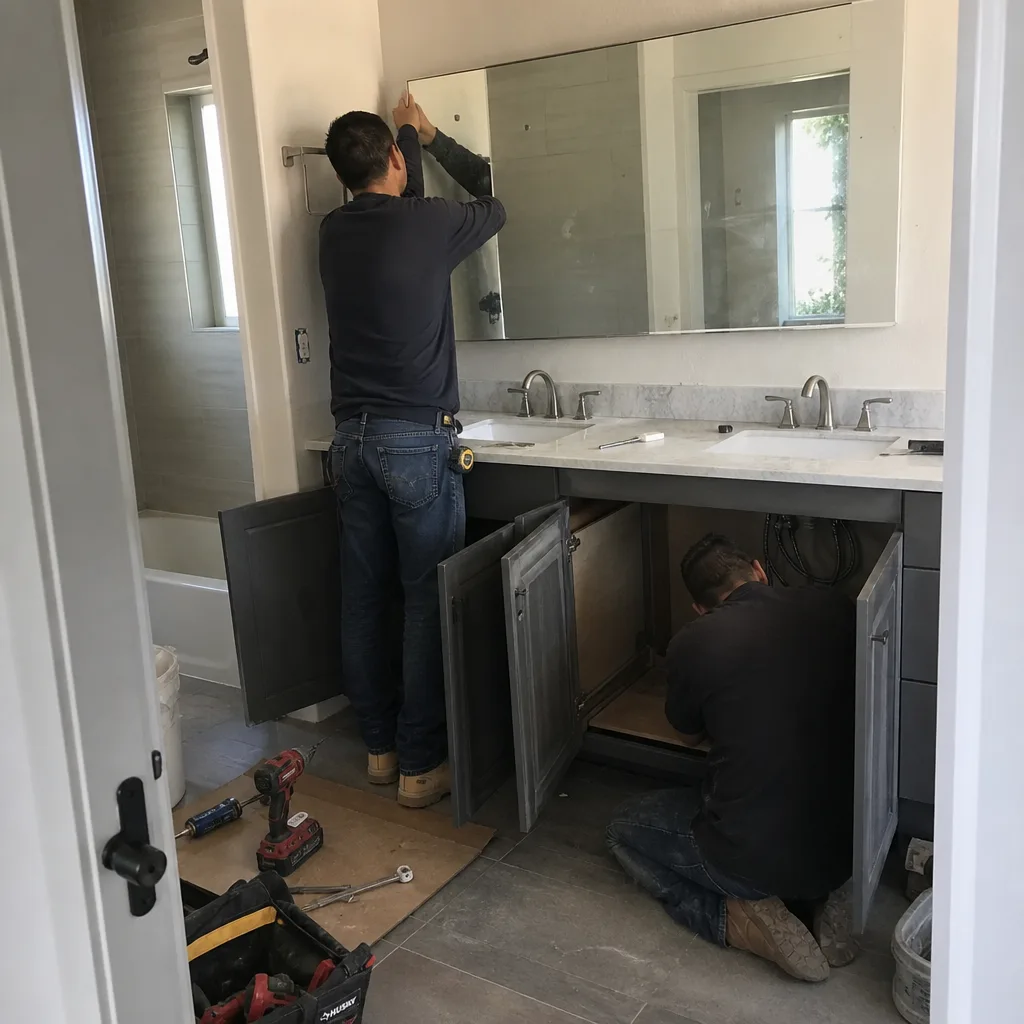
Call a licensed contractor when the work involves: electrical circuits or panels, plumbing drains or supply lines, gas lines, structural modification, roofing, HVAC equipment, or any project requiring a building permit in Anaheim. The liability exposure of unpermitted, unlicensed work in these categories consistently exceeds labor savings when insurance voidance, resale disclosure, and error correction are properly accounted.
Rowan Construction Group Anaheim offers free estimates on every trade we operate: Kitchen Remodeling, Bathroom Remodeling, Roofing, Windows and Doors, Fence Installation, Driveway and Pavers, and Home Additions including ADUs. Every estimate is a written flat price with scope and warranty, delivered before any work starts. We also offer a Free Second Opinion on any written estimate from another contractor, reviewed line by line at no charge. Call (562) 245-4592 to schedule your free estimate.
Frequently Asked Questions
Yes. The City of Anaheim requires a plumbing permit for any water heater replacement, including like-for-like swaps. The permit ensures compliance with current seismic strapping requirements and venting codes. Call (562) 245-4592 for a free estimate that includes permit and inspection.
A mid-range bathroom remodel in Anaheim typically runs $18,000-$32,000 with licensed contractors performing all work. Owner-performed demolition of non-structural finishes (tile, drywall, fixtures) can reduce this by $1,200-$2,400, but the savings disappear if you damage plumbing rough-in or electrical boxes during demolition. We provide written line-item quotes that show exactly where owner labor affects price.
It depends on permit and license status. The standard ISO HO-3 policy covers sudden and accidental damage but excludes “faulty, inadequate, or defective” work. Unpermitted electrical or plumbing work is typically interpreted as presumptively defective, leading to claim denial. Permitted, inspected work, even owner-performed in legal categories, is more likely to be covered.
Legally, yes, for the portions that do not require licensed trades. Practically, the scheduling complexity of coordinating C-10, C-36, and C-20 subcontractors with cabinet delivery, inspection appointments, and material staging makes owner-GC management risky for first-timers. We’ve rescued projects where the owner’s plumber and electrician were scheduled simultaneously, causing $3,000+ in rework.
California Civil Code §1102 requires disclosure of unpermitted work you know about. Failure to disclose can result in fraud liability, with potential treble damages under the Unfair Competition Law. Buyers routinely request permit history through the City of Anaheim; unpermitted work typically triggers a $5,000-$15,000 price reduction or repair credit.
We define scope clearly in writing and can structure projects with owner-performed work in the three safe categories: interior painting, landscaping outside the drip line, and furniture assembly. All permitted trades are performed by our licensed, background-checked, uniformed crews with full documentation. The written price reflects only the scope we perform. Call (562) 245-4592 to discuss your specific project.
The Bottom Line
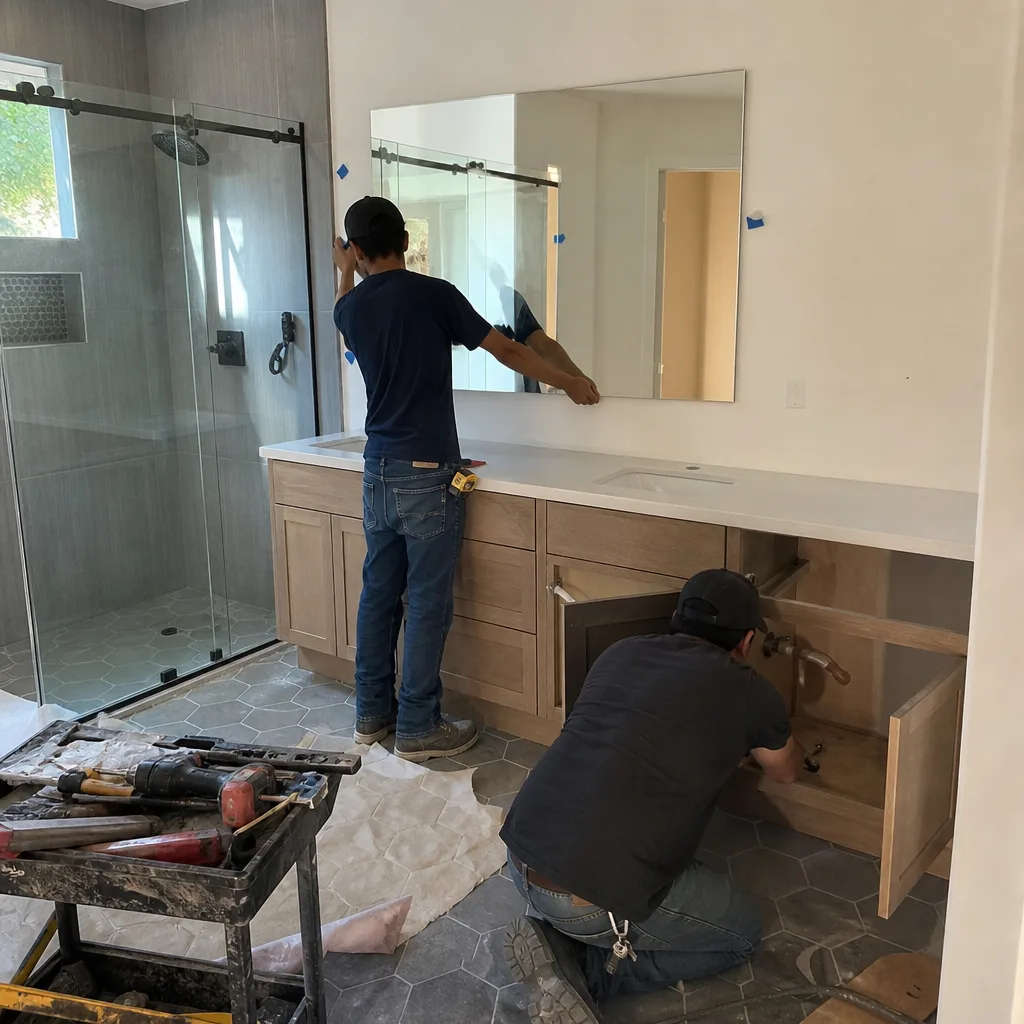
The DIY-versus-hire decision in Anaheim is not primarily about skill or cost. It’s about where California law places the liability boundary, and whether the labor savings exceed the risk-weighted cost of permit violation, insurance voidance, and resale disclosure failure. For cosmetic, non-structural work with no permit trigger, DIY produces genuine savings. For any work involving electrical, plumbing, HVAC, roofing, or structural modification, the licensed contractor’s price includes compliance documentation that protects your asset value. The 365-Day Done Right Promise, written price before any work starts, and documented photo record on every visit are the Haven Standard disciplines that have kept Rowan’s projects within a few percent of the agreed cost across 4,000-plus jobs since 2007. The question is not whether you can do the work. It’s whether doing it yourself, without the permit and documentation, is worth the risk. Browse our more guides & resources to keep your project compliant.t and license framework, leaves you better off than hiring a contractor who documents everything.
Written by Grant Rowan, Owner at Rowan Construction Group Anaheim, serving Anaheim since 2007.