
Last updated September 24, 2026
Free written scope consultation - allowances, timeline, and change-order rules on paper before a single trade is scheduled







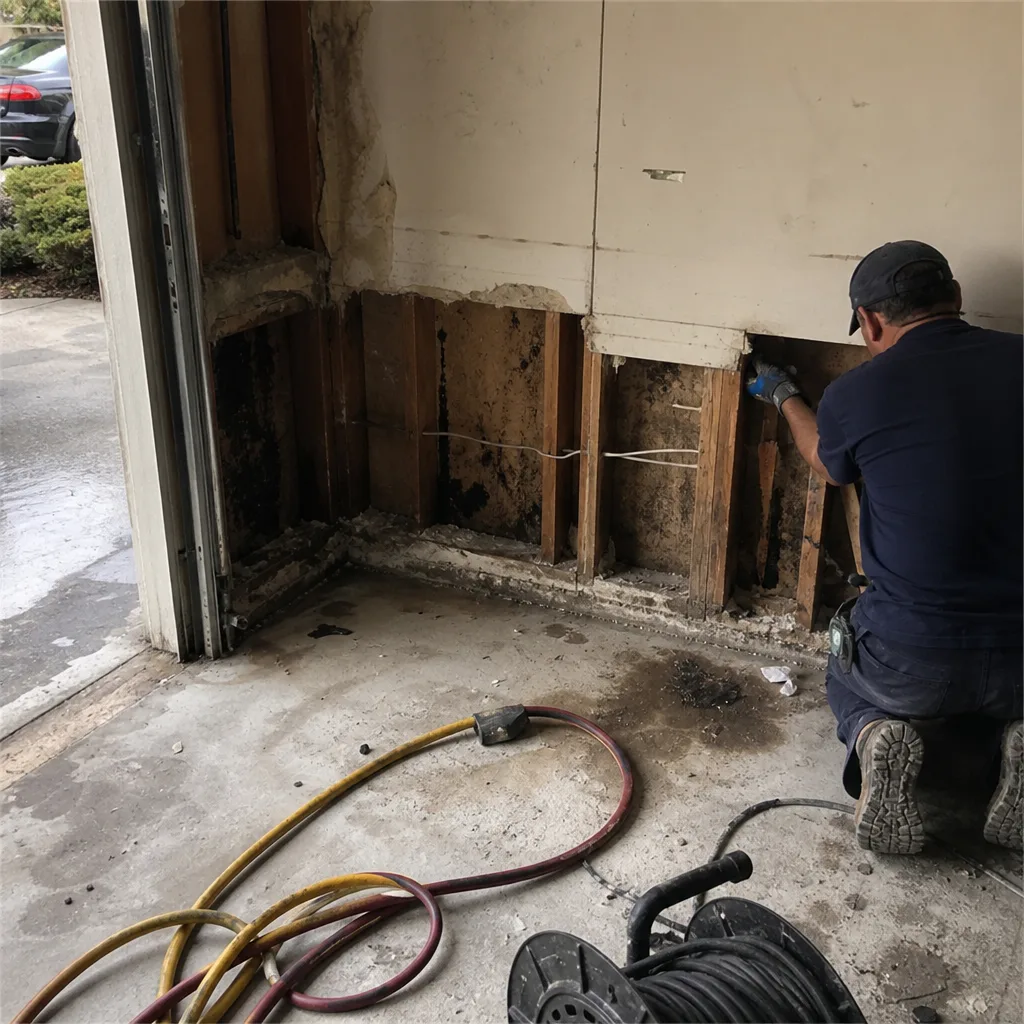 Before
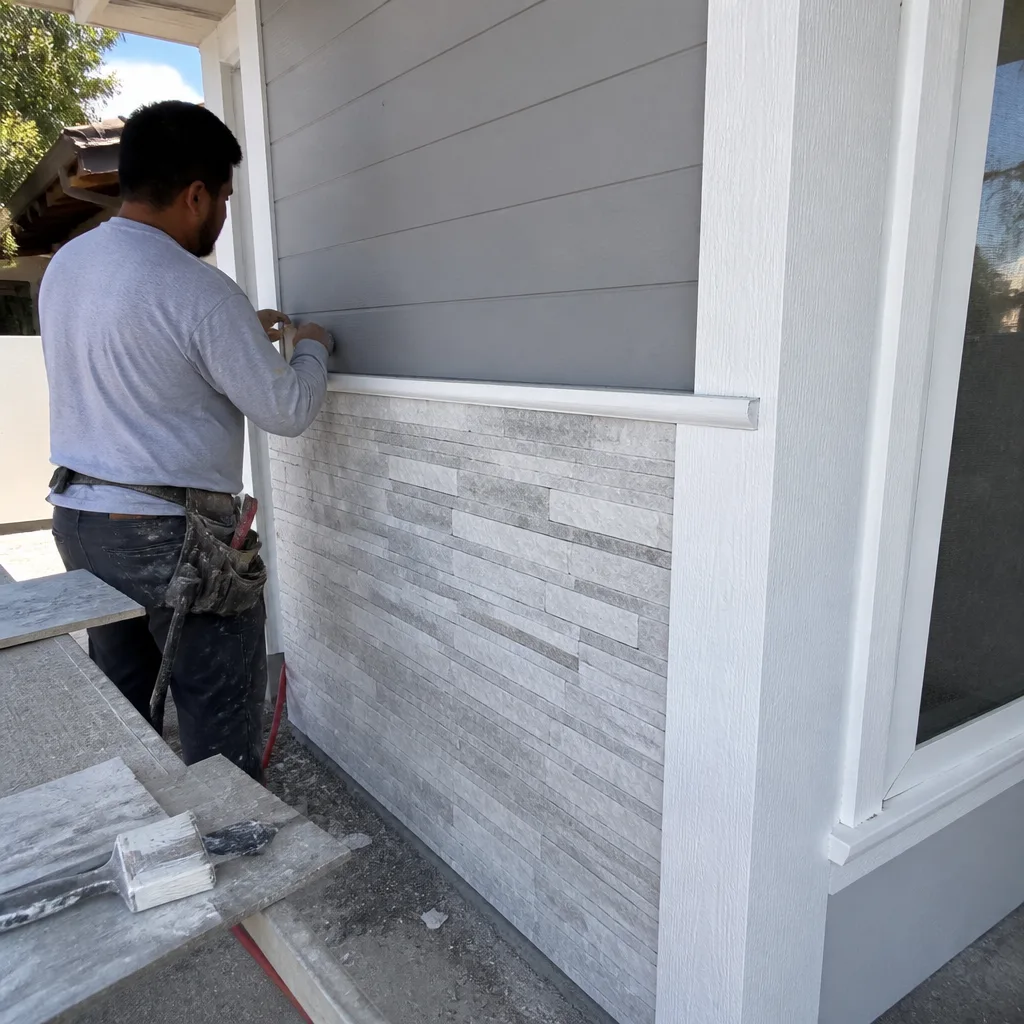 After
After Before
 After
After Before
 After
AfterKitchen Remodeling Maintenance Checklist for Anaheim Homeowners
Grout sealant in a Southern California kitchen needs reapplication every 12-18 months. Not because the product fails, but because Anaheim’s hard water, averaging 350 ppm total dissolved solids, accelerates mineral breakdown that standard maintenance schedules written for the Midwest don’t account for. We’ve completed over 4,000 projects since 2007, and the kitchens that hold their finish longest aren’t the ones with the most expensive materials. They’re the ones where the homeowner received a written maintenance schedule at closeout and followed it. This guide gives you that schedule: water-specific tasks tied to Anaheim Municipal Water’s actual hardness profile, cabinet hardware torque checks for frameless boxes, ventilation hood filter intervals based on real cooking frequency, and a 12-month calendar that maps each task to the season when it matters most in Orange County’s climate. For seasonal construction care for Anaheim: year-round homeowner’s guide, see our dedicated resource.
Quick Answer
A kitchen remodeling maintenance checklist for Anaheim homeowners should include weekly dishwasher filter checks, monthly faucet aerator cleanings, quarterly cabinet hardware torque verifications, semi-annual grout sealant inspections, and annual refrigerator coil cleanings after dust season. Anaheim’s hard water and dry-season contraction cycles mean these intervals are shorter than national standards suggest. Document everything with timestamped photos organized by trade to protect your warranty baseline.
Table of Contents
- Water Systems: Fighting Anaheim’s Hard Water
- Cabinetry and Hardware: Torque Checks for Frameless Boxes
- Ventilation: Grease Filters and Makeup Air Balance
- Surfaces and Sealers: Grout, Caulk, and Countertops
- Appliances: Coils, Seals, and Clearance
- Documentation: Building Your Warranty Baseline
- Your 12-Month Anaheim Kitchen Calendar
- Common Mistakes to Avoid
 Before
 After
AfterWater Systems: Fighting Anaheim’s Hard Water
Anaheim Municipal Water draws from a blend of local groundwater and imported sources, and the combined supply averages 300-380 ppm total dissolved solids depending on the season. That puts it in the “very hard” category. For a remodeled kitchen with new fixtures, this means scale buildup isn’t a future problem. It’s a current one.
We specify Kohler and Toto fixtures on our Kitchen Remodeling in Anaheim projects because both manufacturers publish flow-rate maintenance data for hard-water markets. But no fixture performs well without attention to the points where water actually moves through the system.
Faucet Aerators: Every 30 Days
Remove the aerator from each faucet and soak it in equal parts white vinegar and warm water for 15 minutes. Brush the screen with an old toothbrush, rinse, and reinstall. In Anaheim, we see aerators drop from 1.2 gpm to 0.8 gpm in six weeks of neglect. The mineral crust isn’t just reducing flow; it’s forcing the cartridge to work harder, shortening its service life.
Check the aerator’s threads for plastic cracking while it’s off. The hard water accelerates the fatigue of the nylon insert, and a stripped aerator will wobble and leak at the spout base.
Under-Sink Supply Lines: Every 90 Days
Shut off the angle stops, disconnect the braided stainless supply lines at the faucet end, and run water through them into a bucket. You’re checking for three things: reduced flow indicating interior mineral buildup, discoloration suggesting corrosion of the braided sheath, and stiffness at the compression fitting that signals the rubber washer is hardening.
Replace braided lines every five years in hard-water markets, not the ten years the package claims. The interior EPDM liner degrades faster when it’s in constant contact with high-mineral water.
Dishwasher Filter: Every 7-10 Days
Pull the cylindrical filter from the dishwasher floor and rinse it under hot water. Anaheim’s water leaves a white film on the mesh that traps food particles and recirculates them onto clean dishes. If the film doesn’t rinse off, soak in vinegar for ten minutes.
While the filter is out, run a damp cloth around the sump area where the filter seats. Scale buildup here prevents proper sealing and can cause the dishwasher to throw error codes on Bosch and KitchenAid units we commonly install.
Garbage Disposal: Monthly Deep Clean
Grind two cups of ice cubes with a handful of rock salt. The ice knocks scale off the impeller blades; the salt scours the chamber walls. Follow with a lemon peel for the grease film, not for the scent. In Anaheim’s dry climate, the grease film left by disposal use hardens faster than in humid markets and can seize the flywheel if neglected.
Cabinetry and Hardware: Torque Checks for Frameless Boxes
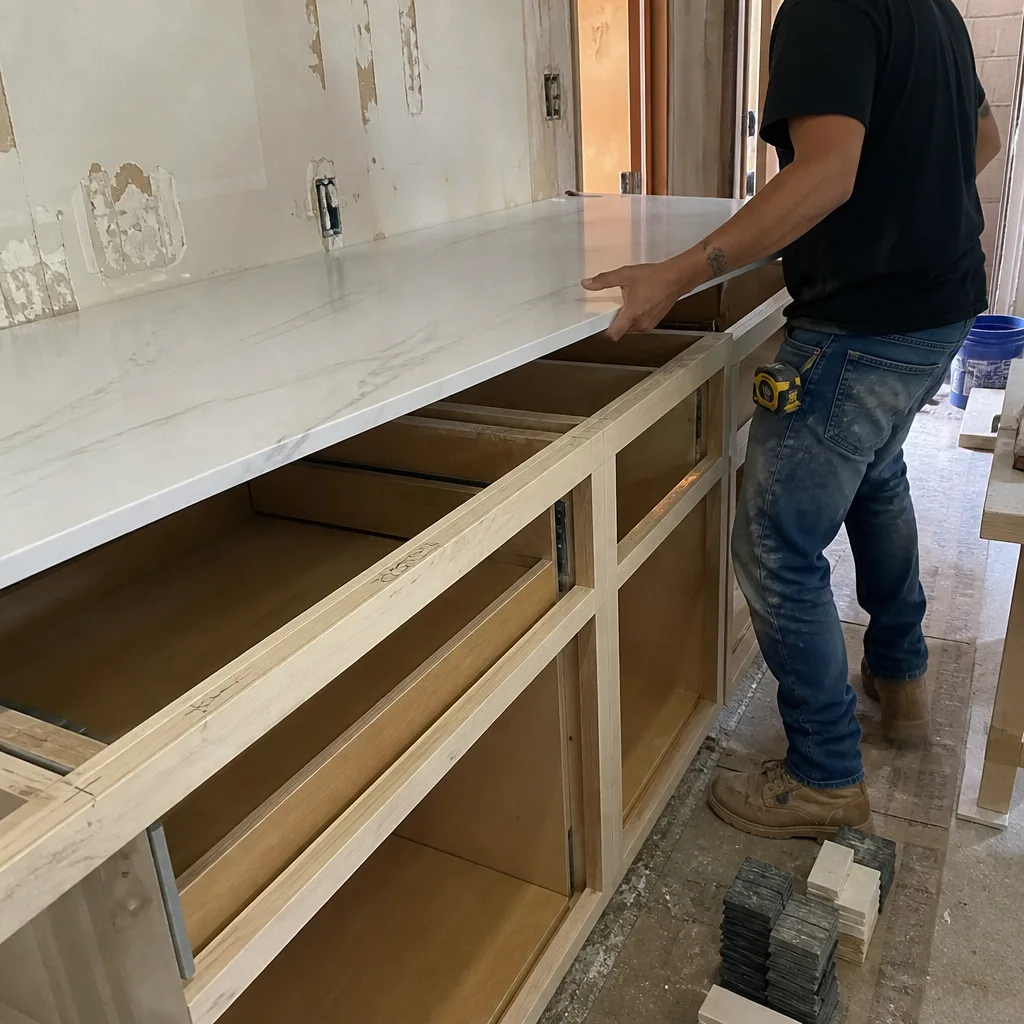
Frameless cabinetry, the European-style construction we specify from KraftMaid and Wellborn, relies on cam-lock fasteners and confirmat screws rather than the face-frame joinery of traditional American boxes. The system is precise and clean, but it’s also more sensitive to seasonal movement. In Anaheim, relative humidity swings from 45% in winter to 65% during summer marine layer events, and the MDF core of most cabinet boxes expands and contracts across that range.
We’ve returned to kitchens three years after completion and found drawer fronts sagging because a single cam-lock has backed out 3/16″. The homeowner assumed the box had failed. The fix took four minutes with a screwdriver.
Quarterly Torque Check: The 15-Minute Routine
- Open every drawer fully and remove the contents.
- Grasp the drawer front and apply gentle upward pressure, then side pressure. Any movement between the front and the box indicates a loose fastener.
- With a #2 Phillips driver, tighten each screw at the drawer front attachment points until snug. Do not overtighten; MDF strips easily.
- Check the slide mounting screws at the cabinet wall. These take the load and loosen first.
- For hinge plates on doors, close the door and press the top corner opposite the hinges. If there’s play, remove the door and tighten the plate screws, then adjust the hinge alignment.
For frameless boxes with Blum Tandem slides, the locking tab on the slide runner can work loose. Press the tab down firmly and listen for the click that confirms full engagement. If the tab is cracked, replace the runner; a door that drops 1/8″ will grind against the box below it.
Seasonal Humidity Management
Anaheim’s winter heating season drops indoor humidity below 30%, which shrinks wood components. Summer marine layer days can push it above 60%, causing expansion. We don’t recommend whole-house humidification in this climate; the swing isn’t extreme enough to justify the energy cost. Instead, keep the kitchen’s ventilation hood running during cooking to exhaust moisture at the source, and avoid storing wet items in cabinets.
Ventilation: Grease Filters and Makeup Air Balance
California’s CalGreen code requires makeup air provisions for kitchen exhaust systems over 400 CFM in new construction and substantial remodels. What this means in practice: your tight, well-sealed Anaheim kitchen can’t exhaust 600 CFM without pulling replacement air from somewhere, and if the makeup air path is blocked, the hood’s performance drops and the house goes negative.
We’ve measured hood flow rates in Anaheim kitchens and found 30% degradation when grease filters are clogged. The homeowner thinks the motor has failed. Usually, the filter has.
Grease Filter Replacement by Cooking Frequency
| Cooking Style | Filter Cleaning | Filter Replacement |
|---|---|---|
| Light: 3-4 meals/week, mostly stovetop | Every 60 days in dishwasher | Every 24 months |
| Moderate: Daily cooking, some frying | Every 30 days in dishwasher | Every 12 months |
| Heavy: Daily frying, wok cooking, frequent entertaining | Every 14 days by hand in degreaser | Every 6 months |
Clean filters in the dishwasher on a hot cycle with a degreaser tablet. Hand-wash aluminum mesh filters if they show corrosion pitting; the dishwasher accelerates oxidation. For baffle filters on higher-end hoods, soak in commercial degreaser and brush between the baffles with a bottle brush.
Makeup Air Path Inspection
Locate your makeup air damper, usually a 6″ or 8″ duct with a motorized damper near the range hood duct. With the hood on high, the damper should open fully within 10 seconds. If it doesn’t, check for lint or grease accumulation on the damper blade, and verify the low-voltage connection hasn’t vibrated loose. A stuck-closed damper forces the hood to pull air down the water heater flue or through wall cavities; we’ve found this condition in Anaheim’s older single-story homes where the original kitchen was expanded without updating the ventilation design.
Surfaces and Sealers: Grout, Caulk, and Countertops
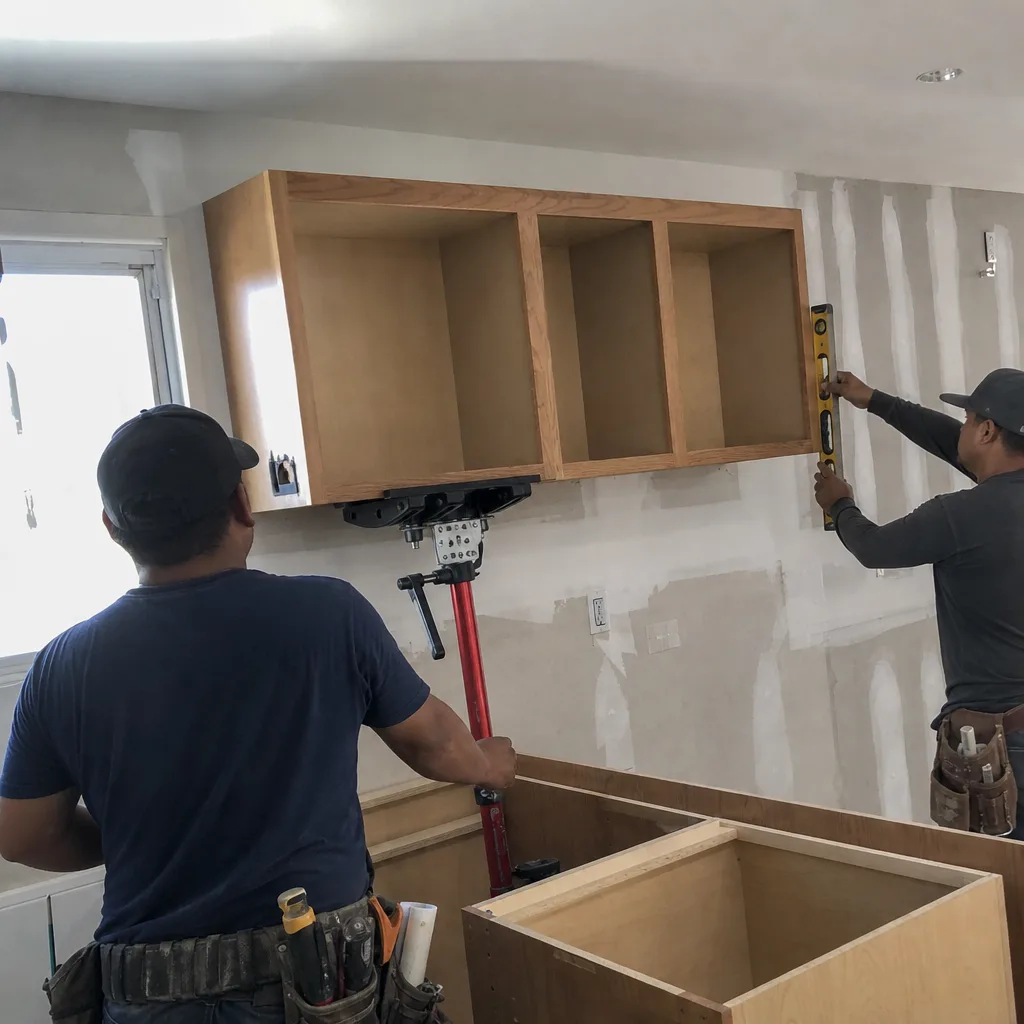
Anaheim’s hard water doesn’t just scale fixtures. It etches grout, degrades silicone caulk, and leaves mineral film on quartz countertops that dulls the finish over time. The maintenance intervals here are shorter than the product labels suggest because the labels assume moderate water hardness.
Grout Sealant: Every 12-18 Months
Apply a penetrating sealer such as Aqua Mix Sealer’s Choice Gold or similar fluoropolymer-based product to all cementitious grout lines. Test absorption first: drop water on the grout. If it darkens within five minutes, the grout is unsealed or the previous application has failed.
Clean grout thoroughly before sealing; sealing over mineral film locks it in. In Anaheim, we see failure patterns concentrated around the sink and dishwasher, where water contact is constant, and near windows where morning condensation drips onto the backsplash. Re-seal these zones every 12 months even if the perimeter grout still beads water.
Silicone Caulk: Inspect Every Six Months, Replace Every Two Years
Check caulk at the sink-to-countertop joint, the backsplash-to-countertop joint, and around windows. In Anaheim’s dry summers, caulk shrinks and pulls away from one surface. In winter, expansion can tear it. The failure mode we see most is a gap at the sink rim that allows water into the cabinet below; by the time the homeowner smells must, the cabinet floor is delaminated.
Remove old caulk completely with a plastic scraper and mineral spirits residue cleanup. Apply new 100% silicone in a continuous bead, tool with a wet finger, and let cure 24 hours before water contact. Don’t use “kitchen and bath” latex caulk; it fails in under a year in this water chemistry.
Quartz and Solid-Surface Countertops
Wipe with a damp microfiber and a pH-neutral cleaner. Avoid vinegar, lemon, and citrus-based cleaners on quartz; the citric acid attacks the resin binder. For hard water film, use a limescale remover formulated for quartz, or a 50/50 rubbing alcohol and water solution. Cambria and Caesarstone, the brands we quote most often, both publish care guides that specify this; following them preserves the manufacturer’s warranty.
Appliances: Coils, Seals, and Clearance
New appliances represent 25-35% of most kitchen remodel budgets. They’re also the components most likely to fail prematurely from preventable maintenance neglect. The refrigerator alone runs continuously and draws more power than any other kitchen device.
Refrigerator Condenser Coils: Every Six Months, After Dust Season
Anaheim’s Santa Ana wind events, typically October through March, deposit fine dust that settles on refrigerator coils. Coils clogged with dust run hotter, work harder, and fail faster. The compressor replacement on a Sub-Zero or Thermador runs $800-$1,400; coil cleaning takes 20 minutes.
- Pull the refrigerator from the wall or remove the toe-kick grille for built-in units.
- Vacuum the coils with a brush attachment, working in the direction of the fins to avoid bending them.
- For coils with caked dust, use a coil brush (a $10 tool with bristles shaped to fit between fins).
- Verify the rear clearance matches manufacturer spec, usually 1-2 inches minimum. Built-ins need proper plenum clearance or the compressor overheats.
Door Gaskets: Every Three Months
Close the refrigerator door on a dollar bill at multiple points around the perimeter. If it pulls out easily, the gasket has lost compression. Clean gaskets with warm soapy water and dry thoroughly; mold grows in the folds and degrades the rubber. In Anaheim’s dry climate, rubber gaskets actually crack from desiccation rather than rot; a thin film of petroleum jelly on the gasket face prevents this.
Range and Oven: Annual Deep Clean
Remove burner grates and caps, soak in degreaser, and scrub the orifices with a straight pin (not a toothpick, which can break off). For sealed-burner gas ranges, verify the flame is blue with minimal yellow tipping; yellow indicates incomplete combustion, often from spider webs in the venturi tube. In Anaheim’s older neighborhoods with mature trees, we see this every spring.
Documentation: Building Your Warranty Baseline
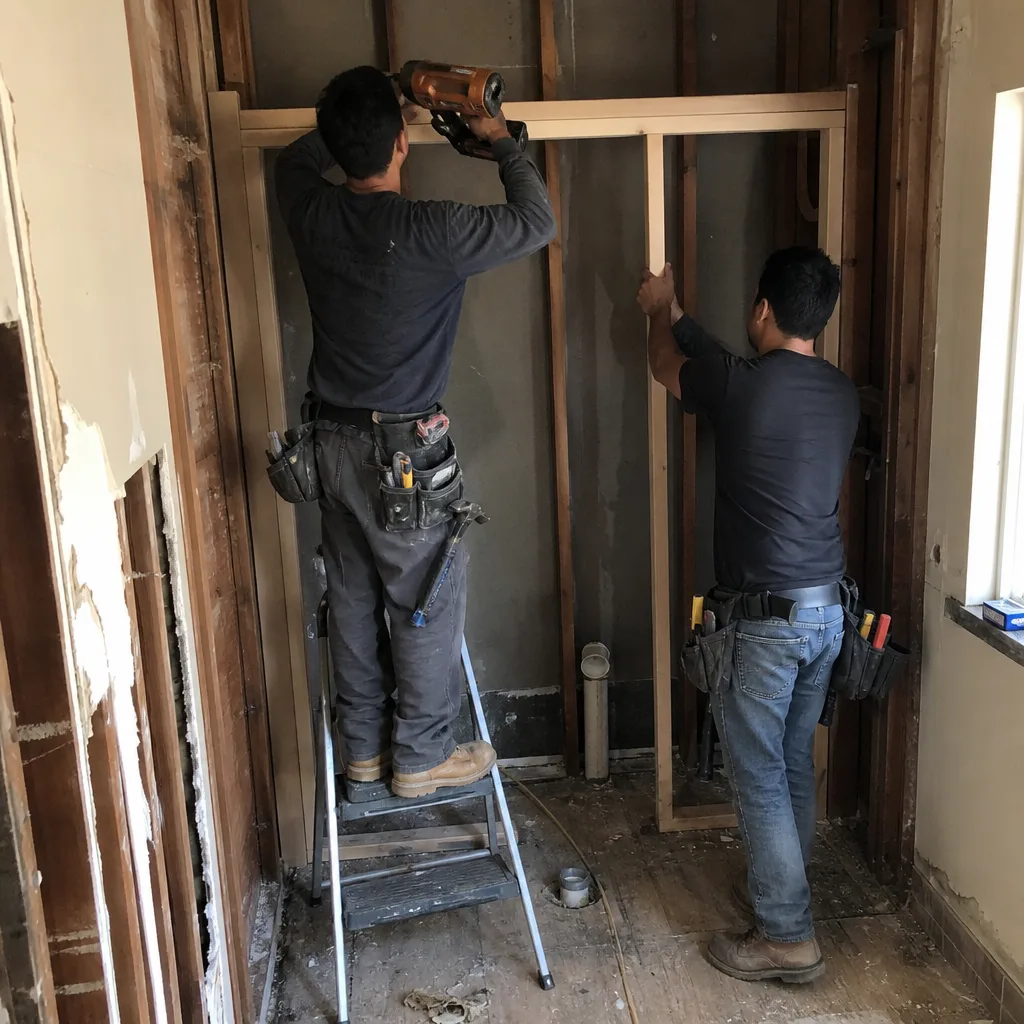
Every Kitchen Remodeling in Anaheim project we complete includes a documented photo record as standard, not an upgrade. The customer receives timestamped images of substrate conditions, material deliveries, rough-in verification, and final finish state. This isn’t for our portfolio; it’s for the warranty claim you might need to file in year two.
You should build the same record for your own maintenance. Here’s how-along with more guides & resources to protect your investment:
- Create a folder structure by trade: Plumbing, Electrical, Cabinetry, Countertops, Appliances, Ventilation.
- Photograph each component from multiple angles immediately after the remodel is complete. Include close-ups of model numbers, serial numbers, and installation dates.
- After each maintenance task, photograph the condition before and after. Date-stamp the files or use an app that embeds metadata.
- Store receipts for sealers, filters, and replacement parts in the same folder. Warranty claims require proof of maintenance.
For warranty claims on KraftMaid or Wellborn cabinetry, the manufacturer requires documentation of environmental conditions; extreme humidity voids coverage. Your photo record, combined with notes on your maintenance schedule, satisfies this requirement.
Under Clause 1 of the Haven Standard, the written price is delivered before any work starts. Under our 365-Day Done Right Promise, if it is not done right, we make it right. The photo record is how we prove what “right” looked like at closeout.
Your 12-Month Anaheim Kitchen Calendar
Seasonal timing matters in Orange County. The dry-season contraction of winter and the dust deposition of spring create specific maintenance windows that don’t align with national checklists. For a broader look at local building considerations, see The Complete Guide to Construction in Anaheim.
January-February: Post-Holiday Recovery
- Deep-clean range and oven after holiday cooking load
- Inspect cabinet hardware torque after heating-season shrinkage
- Check caulk at sink and window after dry-season contraction
March-April: Pre-Dust Season
- Clean refrigerator coils before Santa Ana winds peak
- Replace ventilation hood filter if due
- Inspect grout sealant around sink and dishwasher
May-June: Marine Layer Onset
- Verify bathroom and kitchen exhaust fans are clearing moisture (related: Bathroom Remodeling in Anaheim)
- Check cabinet box edges for swelling from humidity
- Re-torque hardware after first humidity expansion cycle
July-August: Peak Heat
- Verify refrigerator compressor isn’t cycling excessively
- Clean dishwasher filter more frequently; hot water accelerates mineral precipitation
- Inspect countertop edges for caulk separation from thermal expansion
September-October: Transition
- Full hardware torque check before heating season shrinkage
- Replace caulk showing age before winter contraction tears it
- Document annual condition with timestamped photos
November-December: Heating Season
- Monitor indoor humidity; target 35-45% to minimize cabinet movement
- Final filter check before holiday cooking load
- Schedule any needed professional service before year-end
Common Mistakes to Avoid
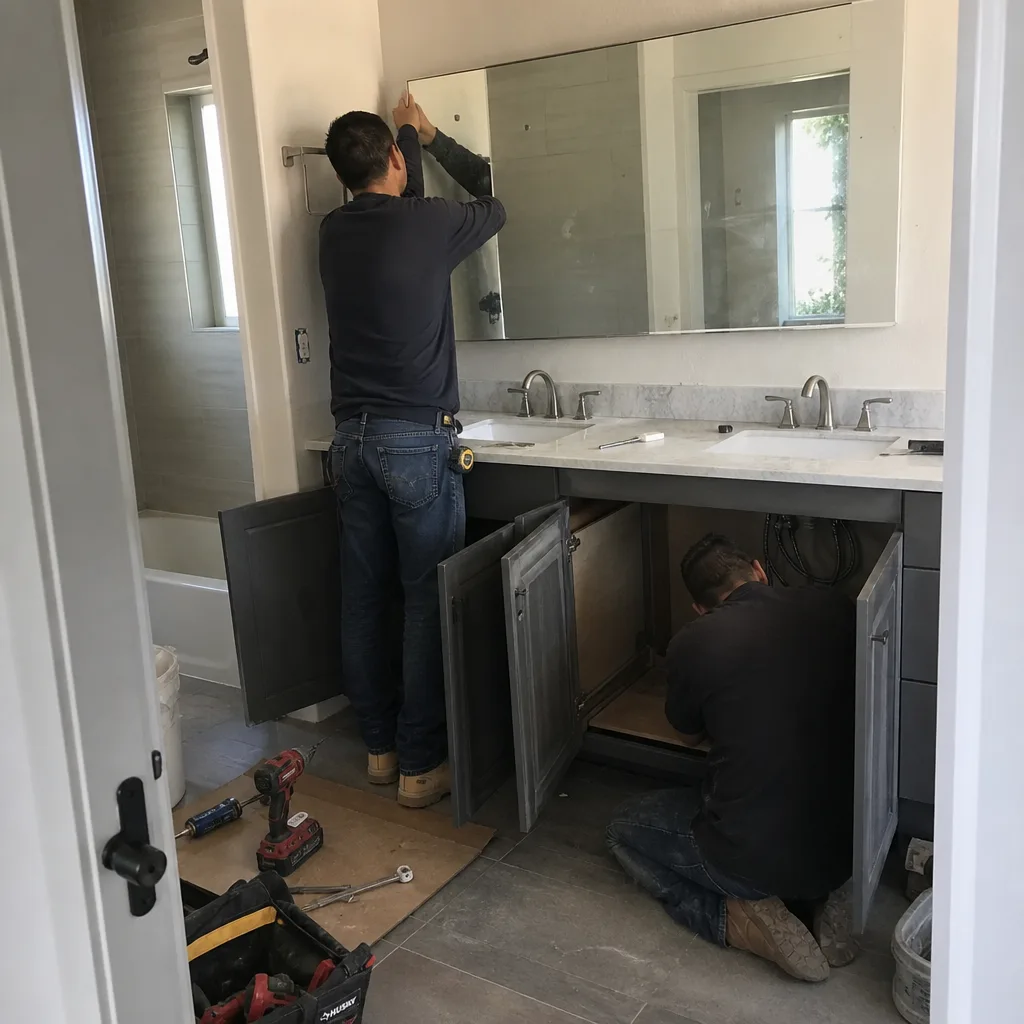
- Using vinegar on everything. Vinegar dissolves limescale but etches grout sealant and degrades quartz resin binders. Use pH-neutral cleaners on finished surfaces and reserve vinegar for fixtures and aerators only.
- Ignoring the makeup air damper. Anaheim homeowners who upgrade to professional-style ranges often don’t realize the damper exists until the hood underperforms. Check it annually; grease accumulation is common.
- Waiting for visible failure. A drawer front that sags 1/4″ has already stressed the slide mechanism. The quarterly torque check prevents the failure, rather than responding to it.
- Using Midwest maintenance intervals. National checklists assume moderate water hardness and four-season humidity swings. Anaheim’s hard water and two-season climate demand shorter intervals for water-contact components.
- Throwing away documentation. Warranty claims on appliances and cabinetry require proof of proper maintenance. The folder you create at move-in protects your investment for years.
- Overtightening cam-lock fasteners. Frameless cabinet hardware requires snug, not maximum, torque. Stripped MDF is not repairable without replacing the panel.
- Neglecting the refrigerator clearance. Built-in and counter-depth units need exact plenum clearance per manufacturer spec. Anaheim’s dust season makes this critical; restricted airflow plus dust coating is the most common cause of compressor failure we see in kitchens under five years old.
When to Call a Professional
Some conditions indicate system-level problems that maintenance won’t solve. Call a licensed contractor if you find water staining on cabinet floors (indicating supply line or drain failure), if the range hood makes up less than 80% of its rated CFM at the duct terminal, if quartz countertops show cracking or seam separation, or if any appliance throws error codes after you’ve completed the manufacturer’s troubleshooting sequence.
We also recommend professional evaluation before any maintenance task that involves electrical disconnection, gas valve operation, or refrigerant system access. These are not homeowner maintenance items; they’re service calls.
Rowan Construction Group Anaheim home offers free estimates in Anaheim. If your kitchen is showing signs that maintenance isn’t addressing, or if you’re considering a remodel and want to understand what the maintenance obligation will look like, call (562) 245-4592 to schedule your free estimate. We also offer a Free Second Opinion on any written estimate from another contractor; bring your quote and we’ll review it line by line at no charge.
Frequently Asked Questions
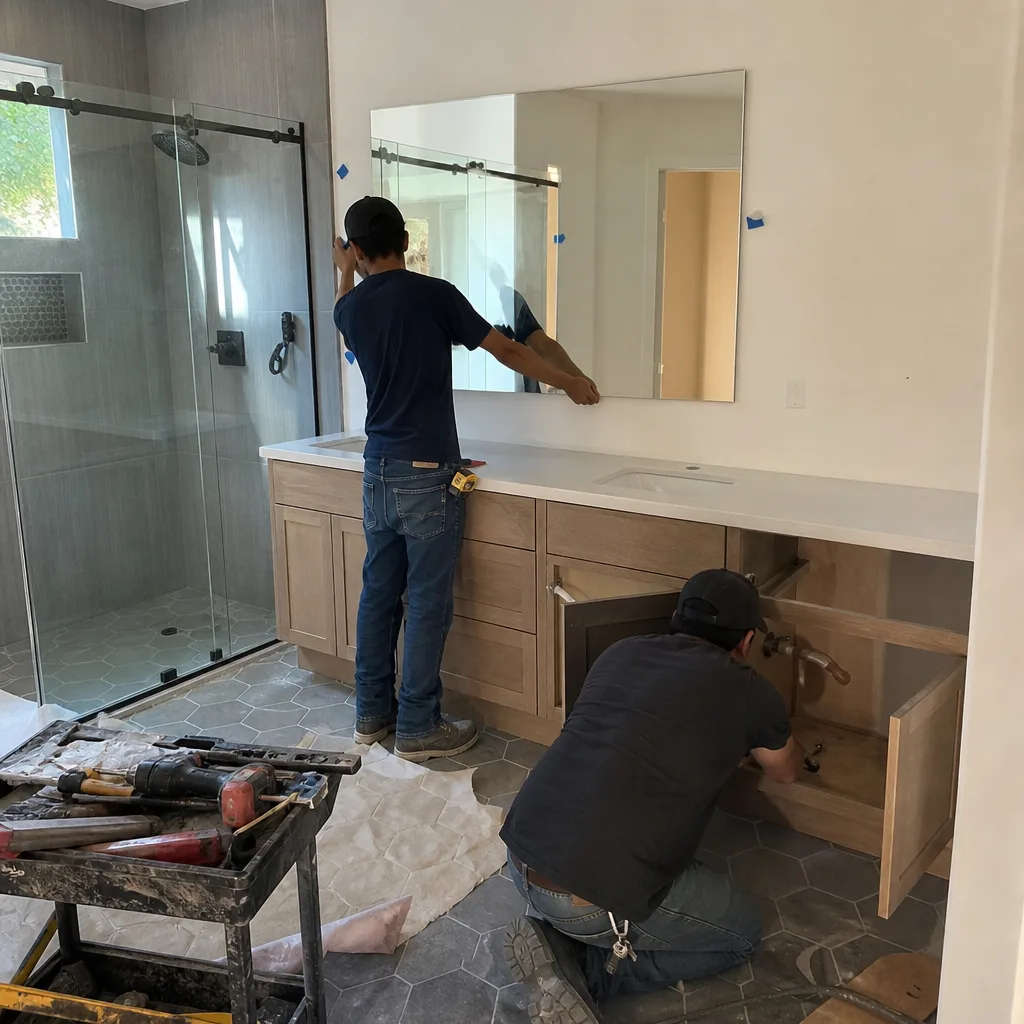
Reseal cementitious grout every 12-18 months in Anaheim, with high-contact zones around the sink and dishwasher requiring annual attention. Anaheim’s 350 ppm hard water accelerates sealant breakdown compared to national averages. Call (562) 245-4592 for an exact quote on professional resealing; estimates are free.
Frameless cabinets use cam-lock fasteners that respond to seasonal humidity swings. In Anaheim, winter heating drops indoor humidity below 30%, shrinking MDF components, while summer marine layer pushes it above 60%, causing expansion. A quarterly 15-minute torque check prevents the loosening from becoming visible sagging.
With the hood on high speed, the motorized damper in the makeup air duct should open fully within 10 seconds. Listen for the actuator click and visually confirm the blade position. A stuck damper forces the hood to pull replacement air from undesirable paths and reduces exhaust performance by up to 30%.
Neglecting refrigerator coil cleaning before and after dust season. Compressor replacement on a premium built-in runs $800-$1,400, and coil cleaning takes 20 minutes with a $10 brush. In Anaheim’s Santa Ana wind pattern, dust accumulation is predictable and preventable.
Yes, for water-contact components. Manufacturer maintenance schedules assume moderate water hardness, typically 60-120 ppm. Anaheim’s 300-380 ppm supply accelerates scale buildup on aerators, supply lines, and dishwasher components. Shorten cleaning intervals by 30-40% for these items.
We evaluate and quote service on any kitchen system, regardless of original installer. Our process is the same: written price before any work starts, signed change order for any scope revision, and documented photo record as standard. Call (562) 245-4592 to schedule.
The Bottom Line
A remodeled kitchen in Anaheim depreciates faster than it should when maintenance follows generic schedules written for softer water and more humid climates. The specific tasks, intervals, and seasonal timing in this checklist reflect the actual conditions your kitchen faces: hard water at 350 ppm, humidity swings from 30% to 65%, and dust deposition patterns unique to Orange County’s geography. Treat the kitchen as an integrated system, document your baseline condition, and perform each task in the season when prevention matters most. The homeowners who protect their investment aren’t the ones who spent the most; they’re the ones who received a written schedule and followed it.
Written by Grant Rowan, Owner at Rowan Construction Group Anaheim, serving Anaheim since 2007.