
Last updated September 24, 2026
Free written scope consultation - allowances, timeline, and change-order rules on paper before a single trade is scheduled
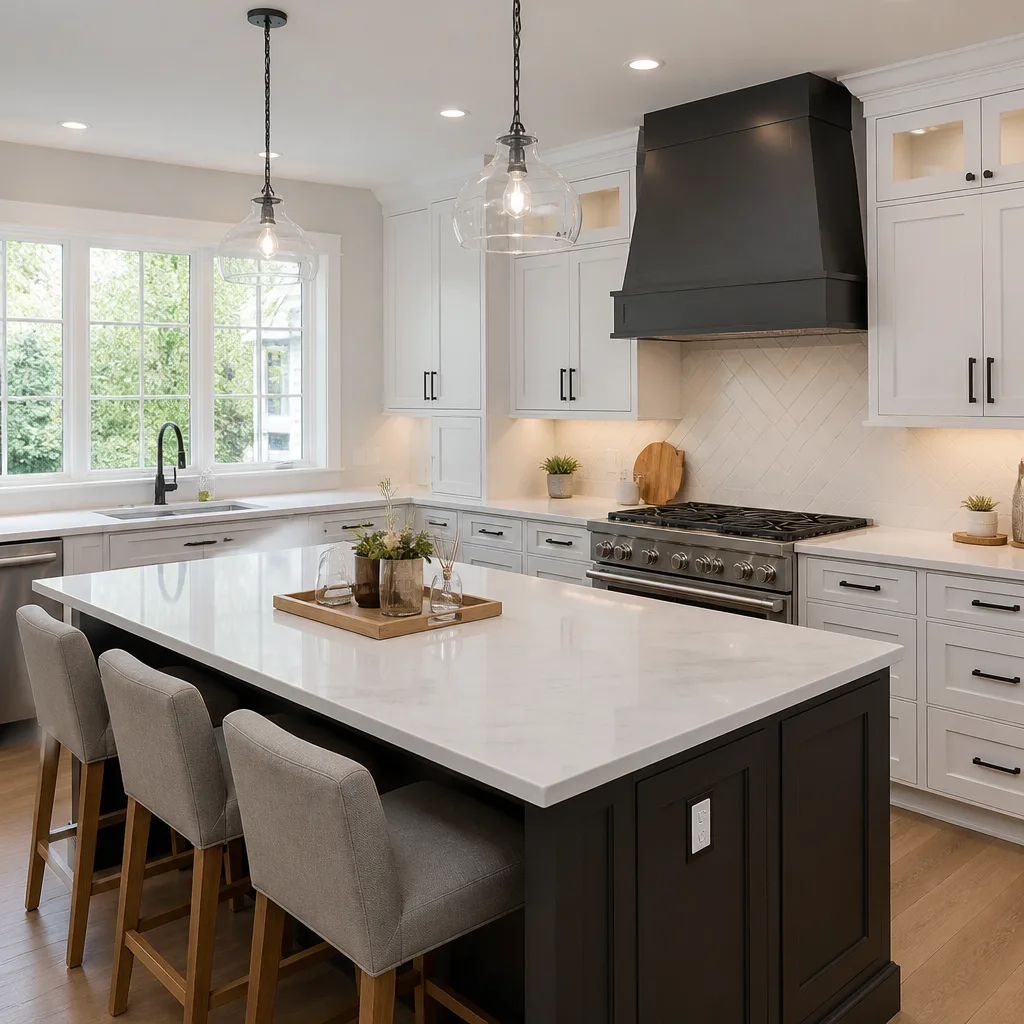
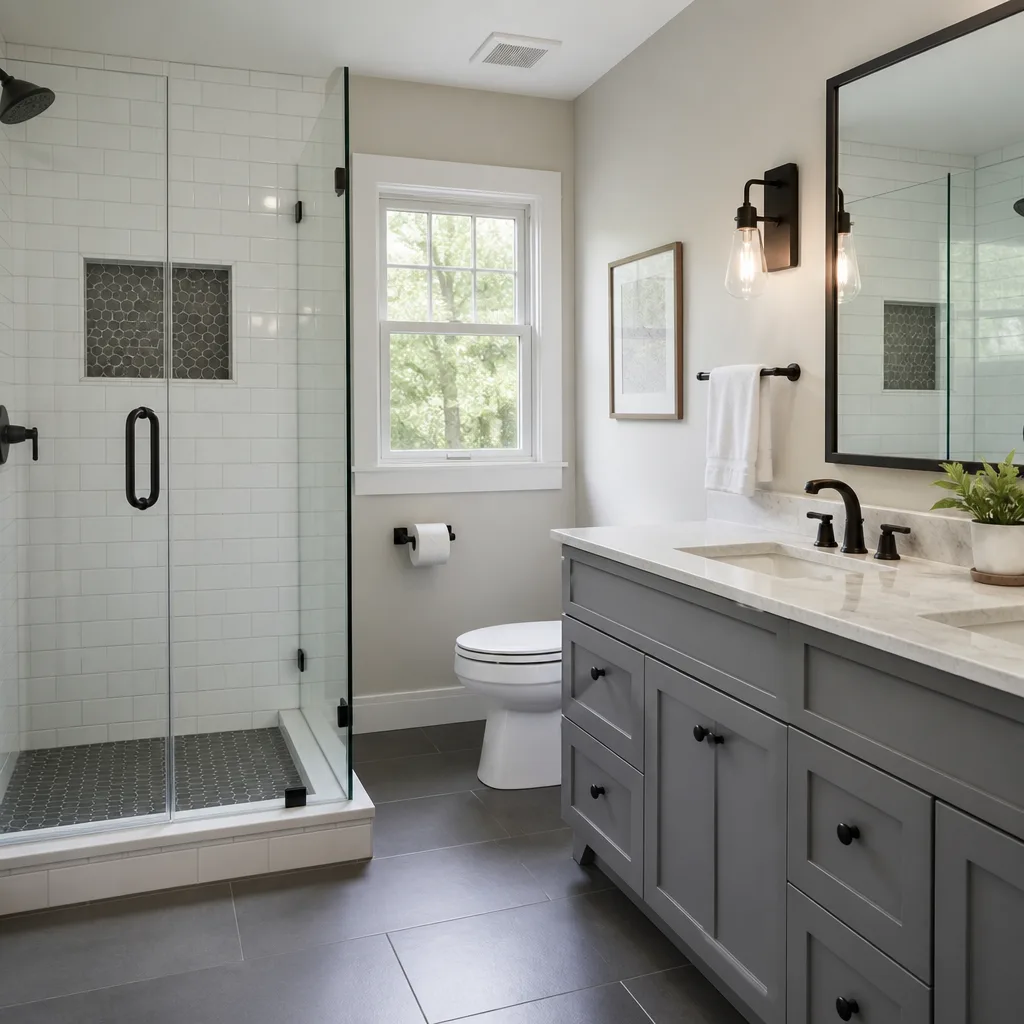


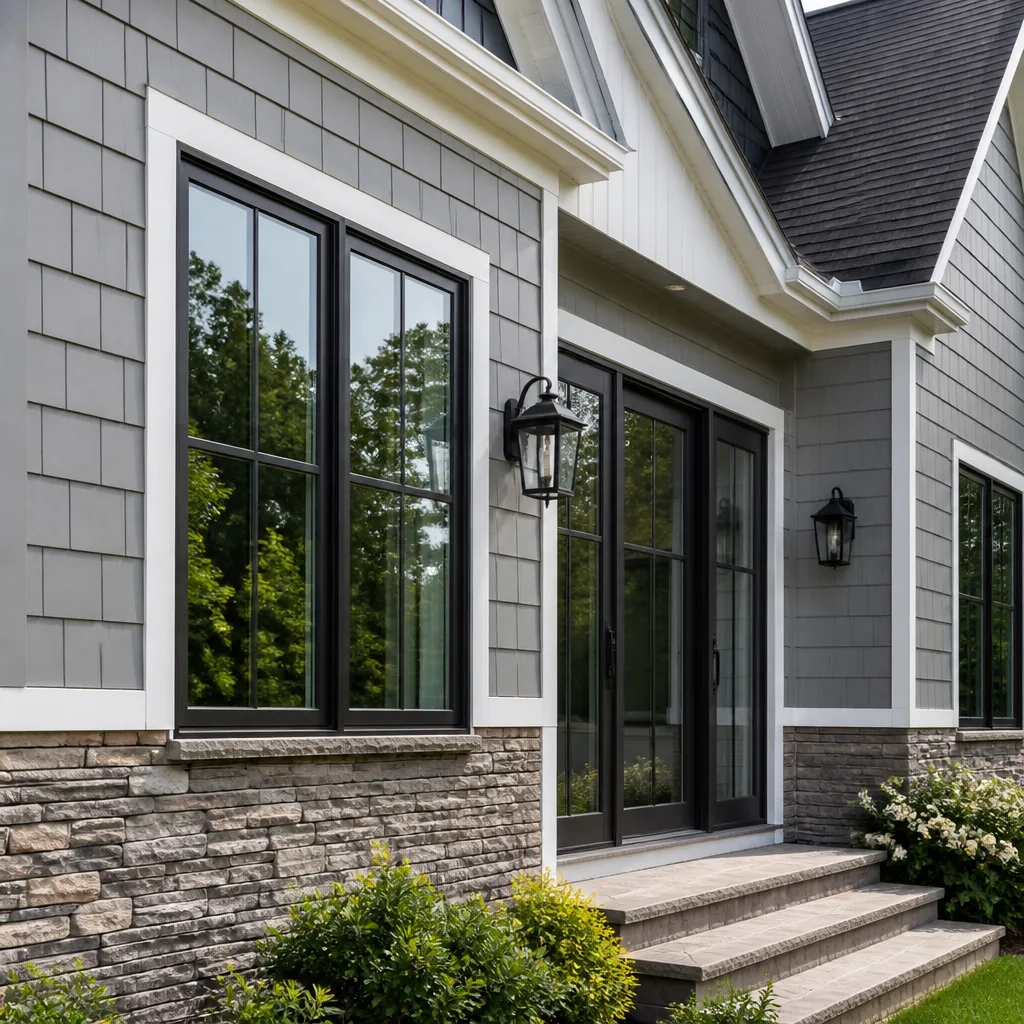
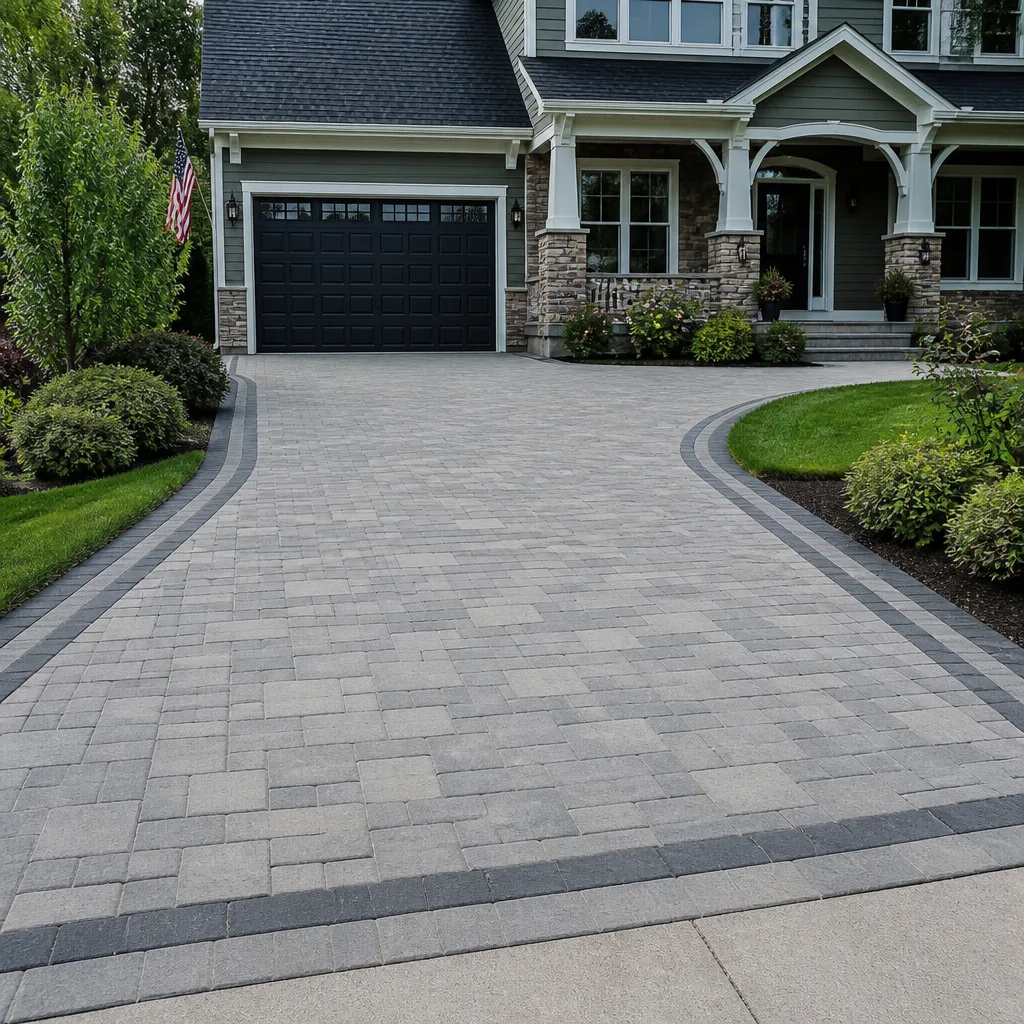

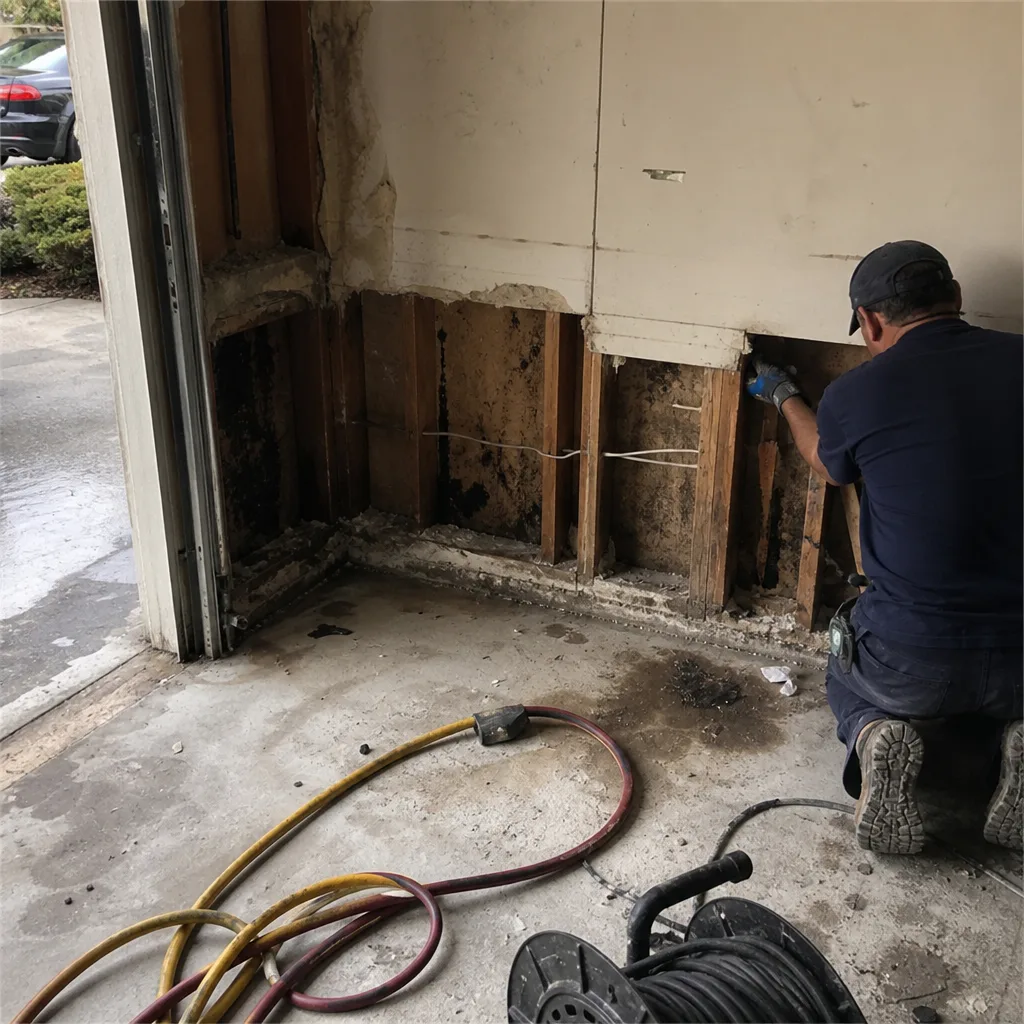 Before
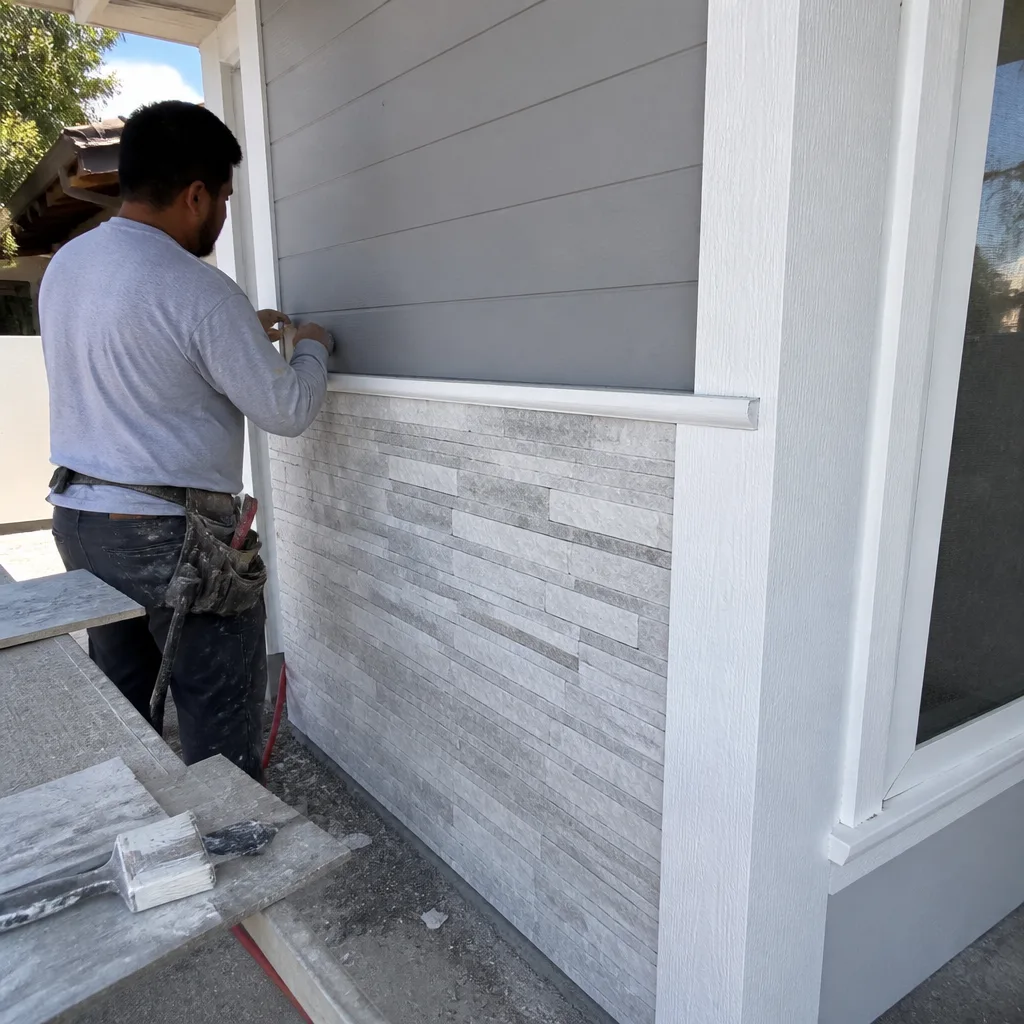 After
After Before
 After
After Before
 After
AfterHow to Hire a Construction Contractor in Anaheim: A Step-by-Step Guide
California’s Contractors State License Board logged over 20,000 consumer complaints in a recent two-year span. The single most common trigger wasn’t poor workmanship - it was a contract that didn’t specify scope clearly enough to enforce. In Anaheim, where home values have climbed steadily since 2015 and a kitchen remodel or ADU can represent six figures of equity at risk, that paperwork gap destroys budgets and timelines alike. This guide reframes contractor hiring as a document audit: the quality of paperwork before the project starts predicts the quality of the project itself. For The Complete Guide to Construction in Anaheim and more guides & resources, see our blog. You’ll learn exactly how to verify a CSLB license, read a bid for what’s missing, and ask the five questions that separate contractors who finish within a few percent of their quoted price from those who don’t.
Quick Answer
Hiring a construction contractor in Anaheim starts with verifying an active CSLB license and $25,000 bond at cslb.ca.gov, then requesting a written contract that specifies scope, materials by brand name, payment schedule tied to inspections, and a signed change order policy. Compare at least three bids line by line for five commonly omitted costs - haul-away, permit fees, temporary utilities, inspection hold time, and post-punch-list touch-up - and call references with questions about scheduling accuracy and final cost versus original quote.
Table of Contents
- How to Verify a CSLB License in Anaheim
- What a Complete Anaheim Construction Contract Must Include
- How to Read a Bid for What’s Missing
- The Change Order Question Every Homeowner Should Ask
- The Reference Check Script That Surfaces Real Performance
- Anaheim-Specific Considerations: Climate, Codes, and Neighborhoods
- Common Mistakes to Avoid
- When to Call a Professional
- Frequently Asked Questions
 Before
 After
AfterHow to Verify a CSLB License in Anaheim
Every legitimate construction contractor in Anaheim must carry an active license from California’s Contractors State License Board. The lookup takes two minutes and prevents the majority of fraud cases the CSLB investigates.
Step-by-Step License Verification
- Visit the official lookup: Go to cslb.ca.gov and click “Check a License.” Enter the contractor’s business name or six- or seven-digit license number.
- Confirm active status: The license must show “Active,” not “Suspended,” “Revoked,” or “Expired.” Check the expiration date - some contractors let licenses lapse between projects.
- Verify the classification: The letter code matters. A B-General Building Contractor can oversee whole projects involving two or more unrelated trades. A C-36 Plumbing Contractor cannot legally contract for structural work. For a kitchen remodel or home addition in Anaheim, you typically need a B license or a properly structured combination of specialty licenses with a B as the prime.
- Check the bond: California requires a $25,000 contractor’s bond minimum. On the CSLB page, verify the bond is current and matches the bond company listed. For projects over $100,000 common in Anaheim’s established neighborhoods like Anaheim Hills or the Platinum Triangle, this bond covers only a fraction of potential loss - which is why contractor selection matters more than bond reliance.
- Review disciplinary history: Click “Complaint Disclosure” to see any CSLB actions. A single complaint resolved five years ago differs from a pattern of recent citations.
- Cross-check business name and address: The license must match the name on the quote. Some contractors operate under DBA names that don’t align with their licensed entity - a red flag for enforcement if disputes arise.
We’ve seen homeowners in Anaheim’s Colony District skip this step because a contractor “came recommended by a neighbor.” Recommendation without verification is how unlicensed operators stay in business. The CSLB lookup is free, public, and the only authoritative source.
Red Flags in License Status
- Exempt” status claimed for work over $500: California’s $500 exemption applies only to minor work; any project above that threshold requires a license.
- Out-of-state license offered as equivalent: Nevada or Arizona licenses mean nothing in Anaheim. California law governs.
- License held by “qualifying individual” who never visits the site: The CSLB requires the qualifier to exercise direct supervision. Ask whether the person whose name is on the license will be present during your project.
What a Complete Anaheim Construction Contract Must Include
California Business & Professions Code §7159 spells out mandatory contract terms for residential construction over $500. Most disputes that reach the CSLB stem from contracts that omit one or more of these elements - not from malice, but from sloppiness that makes enforcement impossible.
Required Elements Under §7159
| Contract Element | What It Means for Your Project | What We Often See Missing |
|---|---|---|
| Contractor name, license number, and CSLB contact | Identifies the legally responsible party | DBA name only, no license number |
| Description of work and materials | Scope in sufficient detail to verify completion | Vague phrases like “update kitchen” without cabinet brand, countertop material, or appliance specifications |
| Approximate start and completion dates | Timeline accountability | “Weather permitting” as sole qualifier without Anaheim’s specific rain patterns accounted for |
| Total contract price and payment schedule | Price certainty and cash-flow protection | Large upfront deposits (over 10% or $1,000, whichever is less, is illegal) |
| Notice of cancellation rights | Three-day right to rescind | Missing or buried in fine print |
| Mechanics lien warning | Required disclosure of payment chain risk | Omitted entirely |
| Workers’ compensation and liability insurance declaration | Protection from injury and damage liability | Verbal assurance, no certificate of insurance attached |
The §7159 requirements are a floor, not a ceiling. At Rowan Construction Group Anaheim home, our contracts add: a written scope with materials specified by brand and model number (KraftMaid or Wellborn for cabinets, Cambria or Caesarstone for countertops, GAF or Owens Corning for roofing); a payment schedule tied to inspection passage, not calendar dates; and the signed change order policy that Haven Standard discipline requires. Under Clause 1, the price is written before anyone starts - no exceptions.
Anaheim’s permit environment makes contract specificity especially critical. The city requires permits for structural work, electrical, plumbing, and HVAC. A contract that says “permits included” without naming which permits, who pulls them, and who pays rejection-rework costs leaves you holding the bag when an inspector flags a framing detail in the Anaheim Hills or a setback issue in the Resort District.
How to Read a Bid for What’s Missing
Three bids that look close in total price often diverge by 20-30% once you account for omitted line items. The low bid wins on psychology, then loses on change orders. Here’s how to read for absence.
The Five Line Items Low Bids Routinely Omit
- Haul-away and disposal: A kitchen demolition in Anaheim generates 3-5 tons of debris. Dump fees at Orange County landfills run $50-75 per ton plus fuel and labor. A bid without “demolition and disposal” specified is a bid with a surprise coming.
- Permit fees and plan check: Anaheim’s building permit fees scale with project value - a $75,000 addition triggers fees in the $1,200-1,800 range, plus plan check costs if engineering drawings are required. Some bids list “permits” as a single number without breaking out city fees, third-party plan check, or resubmission costs if the first plan set is rejected.
- Temporary utilities and protection: Construction requires power, water, and often temporary HVAC to protect finished areas from dust and humidity. In Anaheim’s summer heat, a kitchen without temporary cooling can warp cabinet boxes before installation. The bid should specify who provides and pays for temporary service.
- Inspection hold time: Anaheim inspectors operate on scheduled availability. A failed inspection means rescheduling, often 3-5 business days out. Crews sitting idle cost money; the bid should specify whether the contractor absorbs this risk or bills for standby time.
- Post-punch-list touch-up: The final 5% of work - paint touch-up, caulk smoothing, hardware adjustment - takes disproportionate time. Bids that end at “substantial completion” without defining punch-list resolution leave this work orphaned or charged as extra.
How to Compare Apples to Apples
Request every bid in the same format: line-item labor, line-item materials with brand and model, line-item permits and fees, and a contingency percentage. If one bidder won’t break out details, that’s information too. We’ve reviewed competitor quotes for Anaheim homeowners under our Free Second Opinion offer and found $8,000-15,000 gaps in “equivalent” bids where one included GAF Timberline HDZ shingles with System Plus warranty and the other specified “shingles to match” without brand or wind rating.
For Kitchen Remodeling in Anaheim specifically, material specification matters because cabinet lead times from KraftMaid or Wellborn currently run 8-12 weeks. A bid that prices “cabinets” without brand and delivery date is pricing a placeholder, not a product.
The Change Order Question Every Homeowner Should Ask
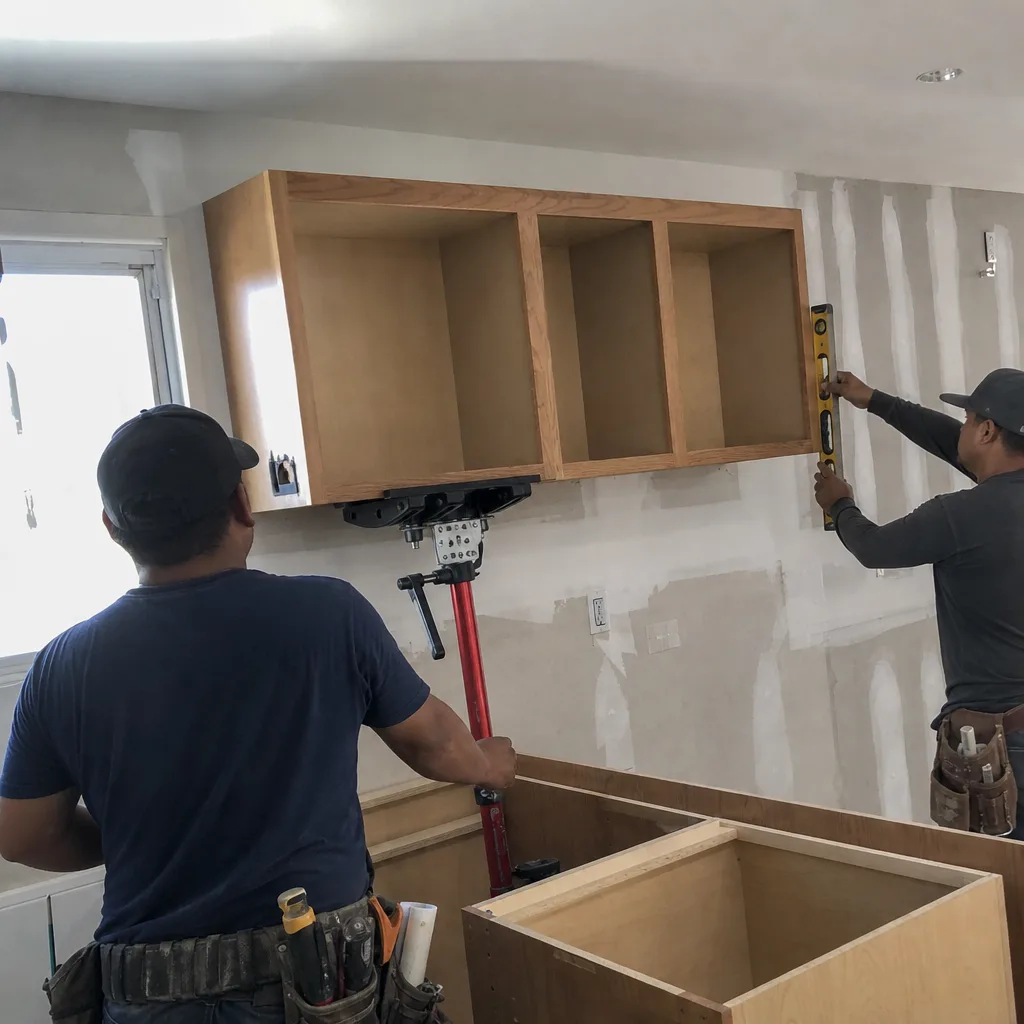
Change orders are where projects lose budget discipline. Not because changes are wrong - discovery during demolition is normal - but because most contractors handle changes verbally, then present a bill. The question to ask every prospective contractor is this: “Walk me through your written change order process, from discovery to signature to billing.”
What a Good Answer Sounds Like
A disciplined contractor describes a sequence: field discovery, written description of the change with material and labor cost, customer signature required before work proceeds, and the signed document attached to the original contract. At Rowan Construction Group, no work proceeds on a change until the change order is signed - the administrative discipline Haven acquired us for, and the reason our projects finish within a few percent of the number the customer agreed to.
What a Vague Answer Signals
- “We’ll figure it out as we go”: Translation: no price ceiling, no documentation, dispute likely.
- “I’ll just add it to the final bill”: Violates §7159’s requirement for written contract modifications. Unenforceable and common.
- “Trust me, we’ve done this a hundred times”: An appeal to relationship instead of process. The CSLB complaint data shows this is where most conflicts start.
- “Changes are rare with my planning”: False confidence. Demolition reveals conditions no plan can predict - termite damage in Anaheim’s older Colony homes, outdated wiring in pre-1980s builds, soil conditions in Anaheim Hills that affect foundation work.
Ask for a blank change order form during the bid phase. If they don’t have one, they don’t have a process. The form should include: description of change, reason for change, cost breakdown, impact on schedule, and signature lines for both parties. Anything less is a handshake in an industry that runs on paper.
The Reference Check Script That Surfaces Real Performance
“Were you satisfied?” is a useless question. Satisfied customers remember outcomes, not process; dissatisfied ones often won’t take your call. These five questions surface scheduling and budget performance that general satisfaction masks.
The Five Questions
- “What was your original quoted price, and what did you actually pay?” This is the number that matters. A 3% variance is normal; 15% signals change order discipline failure. Listen for hesitation - it means the number went up and they’re uncomfortable saying by how much.
- “When did the crew actually start, and when did they finish versus the contract date?” Anaheim’s permit timelines vary by project type and season. A contractor who blames the city for all delays may be telling truth, or may be disorganized about permit submission. Ask for specifics: when were plans submitted, when was the first inspection scheduled, what caused any hold?
- “How often was the job site unattended, and for how long?” Inactive sites breed problems: weather damage, theft, subcontractor scheduling conflicts. A crew that disappears for two weeks mid-project is a crew with cash flow or scheduling problems.
- “What documentation did you receive during and after the project?” The answer reveals process discipline. Photo records of progress, inspection sign-offs, lien releases from subcontractors and suppliers - these protect you from mechanics liens and disputes. At Rowan Construction Group, every visit includes a documented photo record as standard, not an upgrade.
- “If you did it again, what would you do differently?” This invites reflection without defensiveness. The answer often reveals communication gaps, not workmanship failures - the contractor who didn’t explain a delay, the change order that felt sprung, the final walkthrough that rushed past details.
Request references from projects completed 12-24 months ago, not last month. Fresh projects haven’t faced seasonal cycles; a roof in Anaheim needs to survive at least one Santa Ana wind season and one winter rain period to prove installation quality. Ask for addresses in your area - a contractor’s performance in Anaheim Hills, with its hillside access and HOA requirements, differs from flat-lot work in the Resort District.
Anaheim-Specific Considerations: Climate, Codes, and Neighborhoods
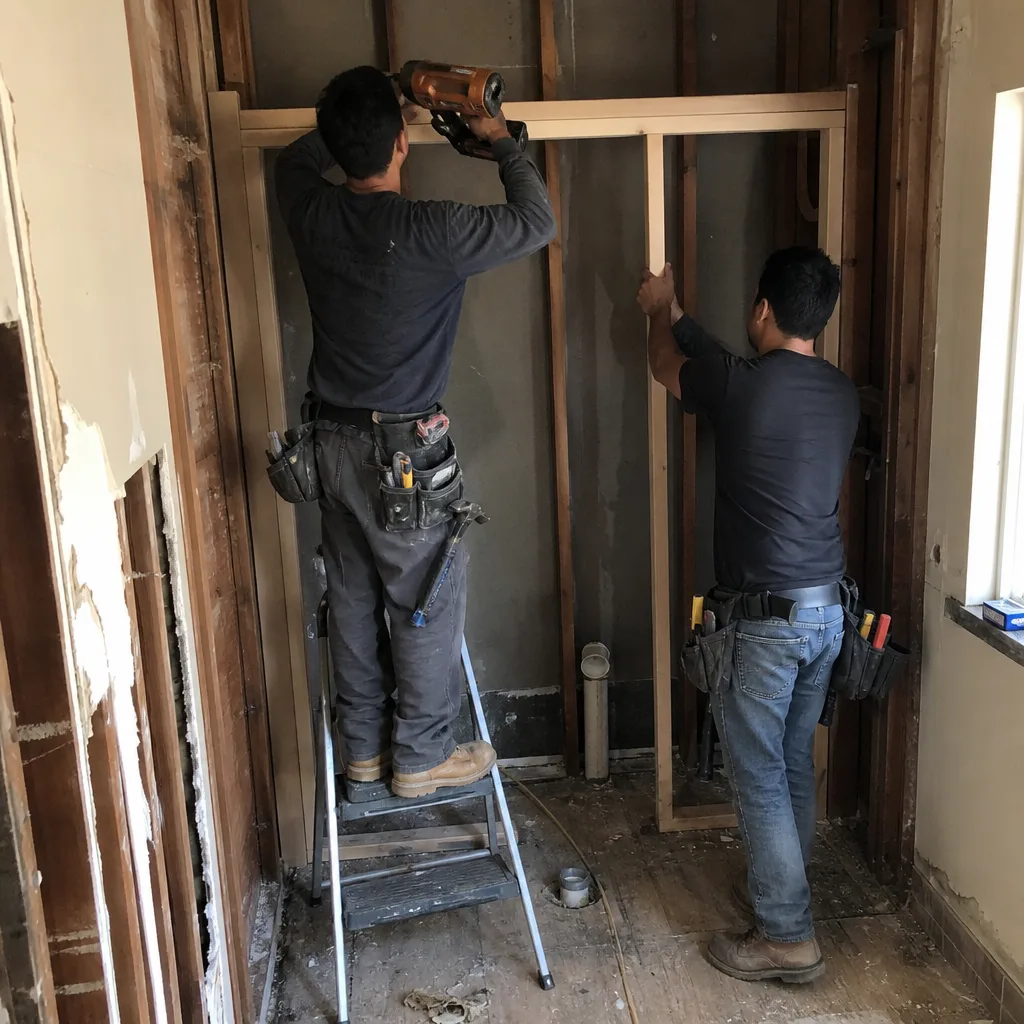
Anaheim’s construction environment has local characteristics that affect contractor selection and project planning. See our Seasonal Construction Care for Anaheim: Year-Round Homeowner’s Guide for maintenance timing.
Climate and Material Selection
Anaheim’s Mediterranean climate - hot, dry summers with Santa Ana winds, mild wet winters - shapes material choices. Roofing in Anaheim requires wind ratings that handle 50-70 mph gusts common in fall Santa Ana events; GAF and Owens Corning both manufacture shingles with specific wind warranties, but installation method matters as much as product. For Roofing in Anaheim, we specify six-nail patterns in wind-exposed zones, not the standard four-nail, and document this in the written scope.
Exterior paint and stucco face UV exposure that degrades standard formulations faster than in coastal Orange County. A bid that specifies “premium exterior paint” without brand, series, and expected service life is specifying uncertainty. We use specific product lines with published UV resistance data and include that specification in the contract.
Permit and Code Environment
Anaheim operates its own building department with specific requirements beyond California’s statewide code. ADU projects - increasingly common in Anaheim’s single-family neighborhoods - trigger additional utility connection reviews and parking requirement calculations that differ from standard additions. A contractor unfamiliar with Anaheim’s ADU checklist (available at anaheim.net) will face plan check rejections that add weeks.
The city also enforces specific noise ordinances: construction noise is prohibited before 7 AM on weekdays and before 8 AM on weekends, with additional restrictions in some neighborhoods. Your contract should specify work hours that comply, or you become the neighbor filing complaints against your own project.
Neighborhood Context
Anaheim Hills properties often require geotechnical reports for hillside work, with grading plans subject to Orange County Flood Control review. The Colony Historic District has design review requirements for visible exterior changes. The Platinum Triangle’s newer high-density construction involves HOA approval processes that can add 30-60 days before permits are even submitted. A contractor who asks “which neighborhood?” early in conversation is a contractor who plans for reality, not just construction.
Common Mistakes to Avoid
- Choosing on price alone without line-item comparison: The lowest bid in Anaheim often omits permit fees, uses unspecified materials, or assumes favorable inspection scheduling that doesn’t materialize. A $12,000 kitchen bid that becomes $18,000 with change orders is not cheaper than a $15,000 bid that finishes at $15,400.
- Paying excessive deposits: California law caps residential deposits at 10% or $1,000, whichever is less. Contractors who demand 25% or 50% upfront - common in “we need to order materials” justifications - are either undercapitalized or operating outside legal boundaries.
- Skipping the CSLB lookup because of a slick presentation: Professional uniforms, branded trucks, and polished portfolios don’t substitute for license verification. We’ve seen unlicensed operators in Anaheim with better websites than legitimate contractors.
- Accepting verbal promises for warranty terms: The 365-Day Done Right Promise at Rowan Construction Group is printed on every page and backed by a terms page, not an asterisk. Any warranty should be similarly documented - what’s covered, for how long, who performs the work, and whether it transfers on sale.
- Not requiring lien releases: California mechanics lien law allows subcontractors and suppliers to lien your property if the general contractor doesn’t pay them, even if you paid the general in full. Every progress payment should be conditioned on signed lien releases from all tiers.
- Ignoring the inspection schedule in contract planning: Anaheim inspectors require specific stages - foundation, framing, insulation, final - and work can’t proceed between them without sign-off. A contract with unrealistic completion dates ignores this reality and sets up conflict.
- Failing to document pre-existing conditions: Photos of walls, floors, and adjacent landscaping before work starts protect both parties. Our standard includes this documentation; contractors who resist it may have claims history they’d prefer not to discuss.
When to Call a Professional
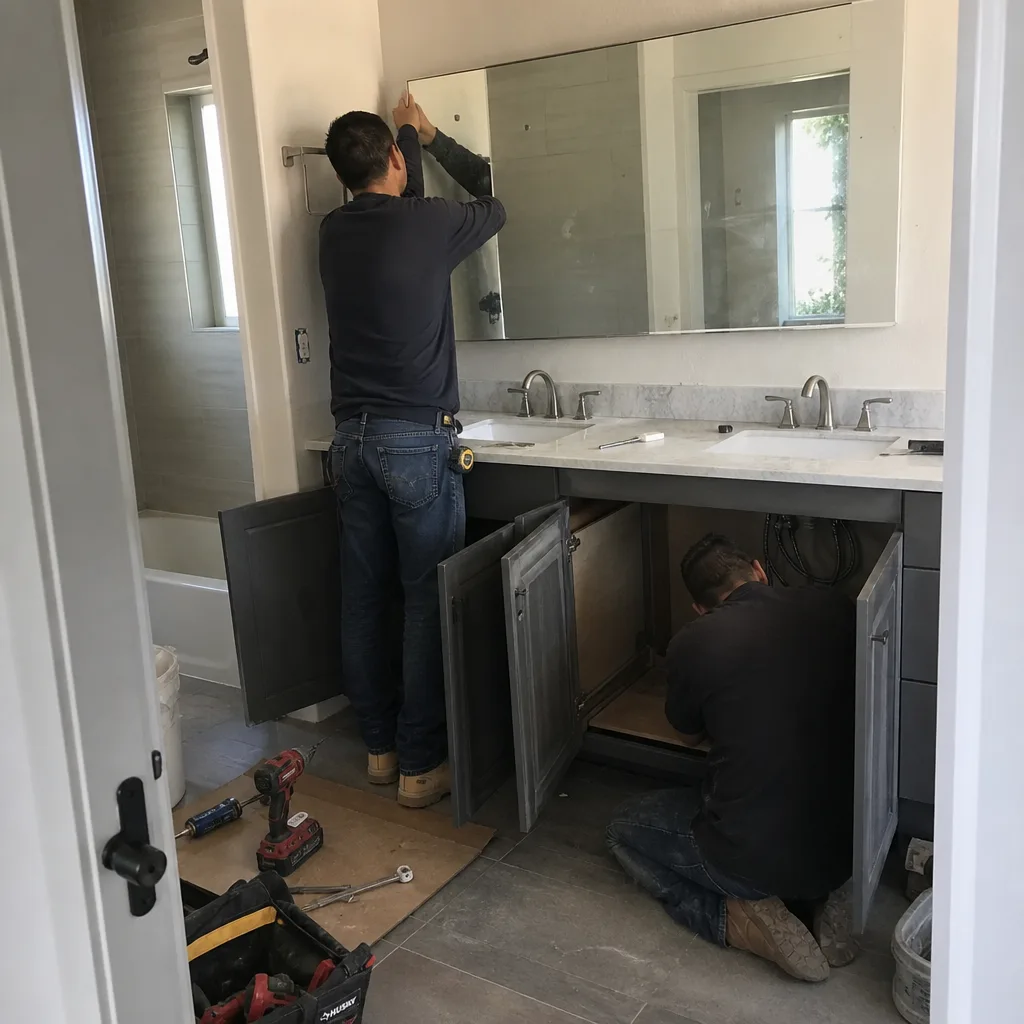
Call a licensed construction contractor when the project involves structural modification, electrical or plumbing relocation, permit requirements, or coordination of multiple trades. In Anaheim, this threshold is lower than many homeowners assume: even a Bathroom Remodeling in Anaheim that moves a toilet flange or adds a shower valve requires a permit and licensed trade work.
Specific scenarios that demand professional engagement: any work affecting load-bearing walls, which requires engineering and structural observation; roofing replacement, where improper installation voids manufacturer warranties and creates liability exposure; ADU construction, with its multi-layer permit process and utility coordination; and any project where your homeowner’s insurance requires licensed work for coverage continuation.
Rowan Construction Group Anaheim offers free estimates in Anaheim - call (562) 245-4592. We also provide a Free Second Opinion on any written estimate: bring a competitor’s quote and we’ll review it line by line at no charge, because informed comparison serves the customer and the market both.
Frequently Asked Questions
Project costs vary widely by scope, but typical ranges in Anaheim’s current market are: bathroom remodel $18,000-$45,000, kitchen remodel $35,000-$85,000, roofing replacement $12,000-$28,000 for standard asphalt shingle on a 2,000-square-foot home, and ADU construction $180,000-$350,000 depending on size and utility connections. After your project wraps, use our Kitchen Remodeling Maintenance Checklist for Anaheim Homeowners to protect your investment. Call (562) 245-4592 for an exact quote - estimates are free, and our written price before any work starts policy means you’ll have a flat number to compare.
Visit cslb.ca.gov and use the “Check a License” tool with the contractor’s license number or business name. Verify active status, correct classification for your project type, current $25,000 bond, and any disciplinary history. This is the only authoritative source; don’t rely on a contractor’s verbal assurance or photocopied documentation.
Under Business & Professions Code §7159, a residential construction contract over $500 must include: contractor name, license number, and CSLB contact; detailed description of work and materials; approximate start and completion dates; total price and payment schedule; notice of three-day cancellation rights; mechanics lien warning; and insurance declarations. The best contracts add material specifications by brand and model, inspection-based payment milestones, and a written change order policy.
With proper contract discipline, price changes should only occur through signed change orders for discovered conditions or requested modifications. At Rowan Construction Group, no work proceeds on a change until the change order is signed - this Haven Standard discipline has kept our projects within a few percent of the agreed cost across 4,000-plus jobs since 2007. Ask any prospective contractor to describe their change order process; vague answers predict budget surprises. Call (562) 245-4592 to discuss how we handle this.
Most construction work beyond cosmetic changes requires permits from Anaheim’s Building Department. Structural work, electrical, plumbing, HVAC, roofing, windows, and additions all require permits. ADUs have additional requirements. Unpermitted work can trigger stop-work orders, require costly remediation, and complicate home sales. Your contract should specify which permits, who pulls them, and who pays for rework if inspections fail.
Timeline depends on scope and permit complexity. A straightforward bathroom remodel with no plumbing relocation typically takes 3-5 weeks of construction after permits; kitchen remodels run 6-10 weeks; additions and ADUs often span 4-8 months including permit timelines. Anaheim’s permit review currently takes 2-4 weeks for standard residential projects, longer for ADUs or complex grading. Seasonal factors matter too: exterior work faces rain delays in winter, and the pre-holiday rush can stretch subcontractor availability in fall.
The Bottom Line
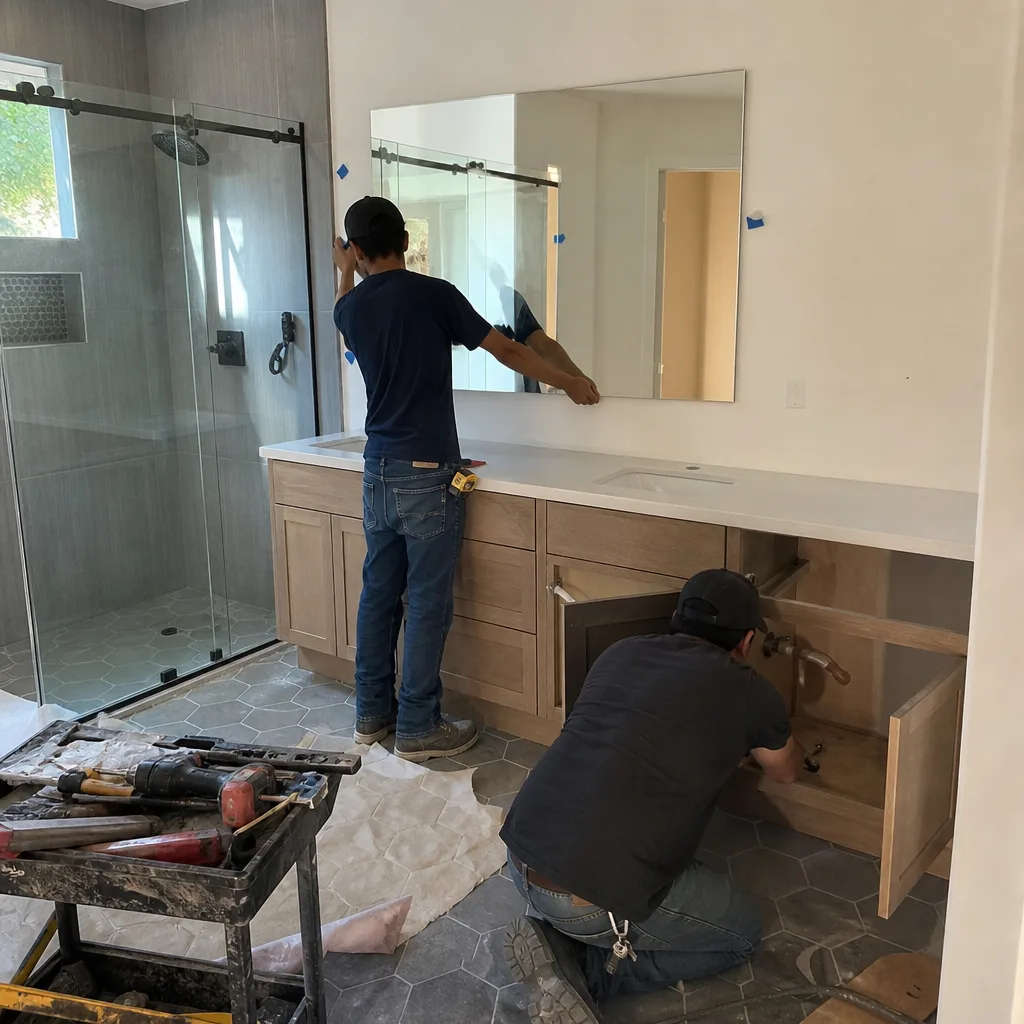
Hiring a construction contractor in Anaheim is a document audit first and a price comparison second. Verify the CSLB license and bond. Demand a contract that meets §7159 and specifies materials by brand, payments by inspection, and changes by signed order. Read every bid for the five omissions that turn low prices into high final costs. Ask references about dollars and days, not satisfaction. The contractor who builds this documentation discipline into their process before the project starts is the contractor who finishes within a few percent of the number you agreed to. Paperwork predicts performance.
Written by Grant Rowan, Owner at Rowan Construction Group Anaheim, serving Anaheim since 2007.