
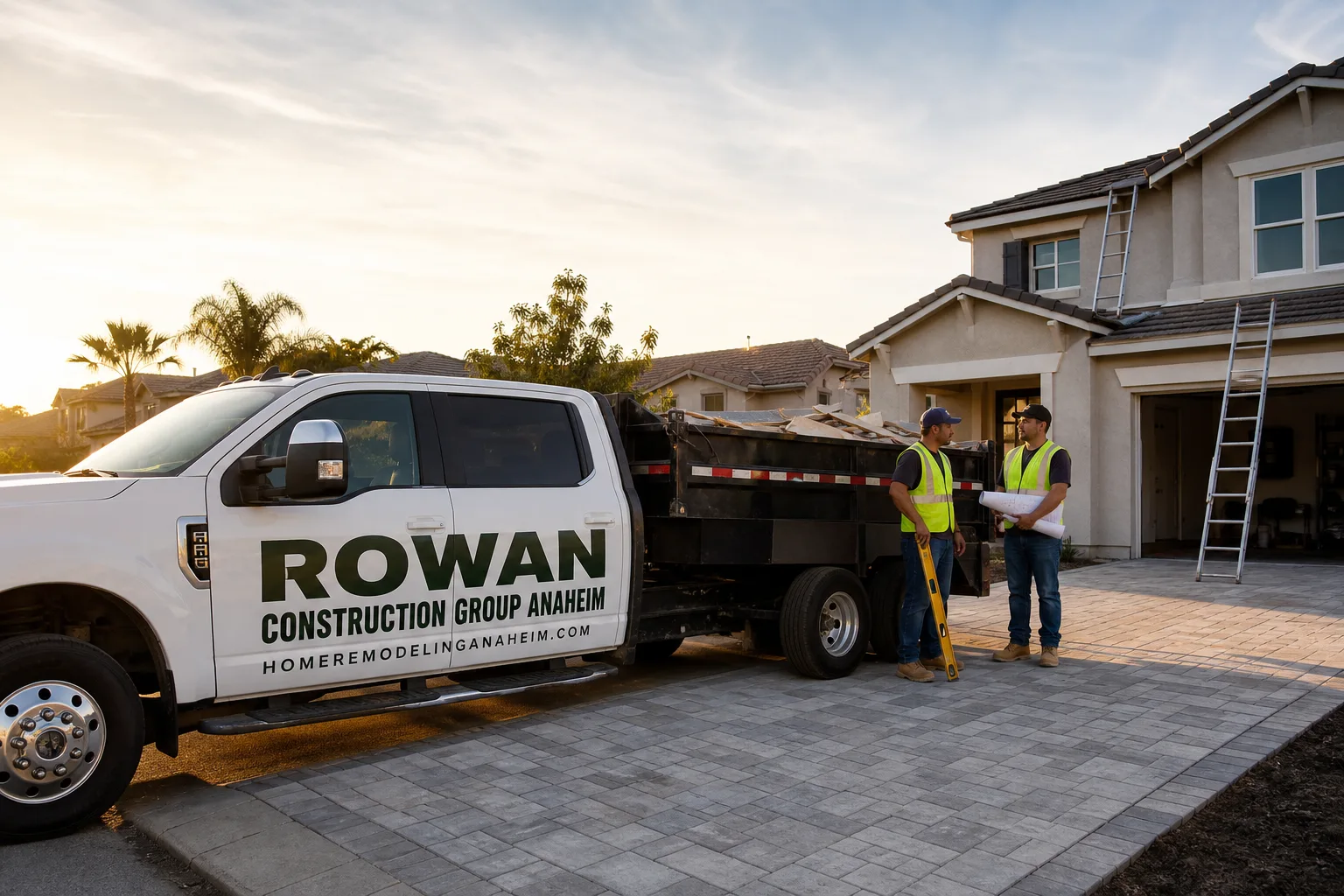
Free written scope consultation - allowances, timeline, and change-order rules on paper before a single trade is scheduled
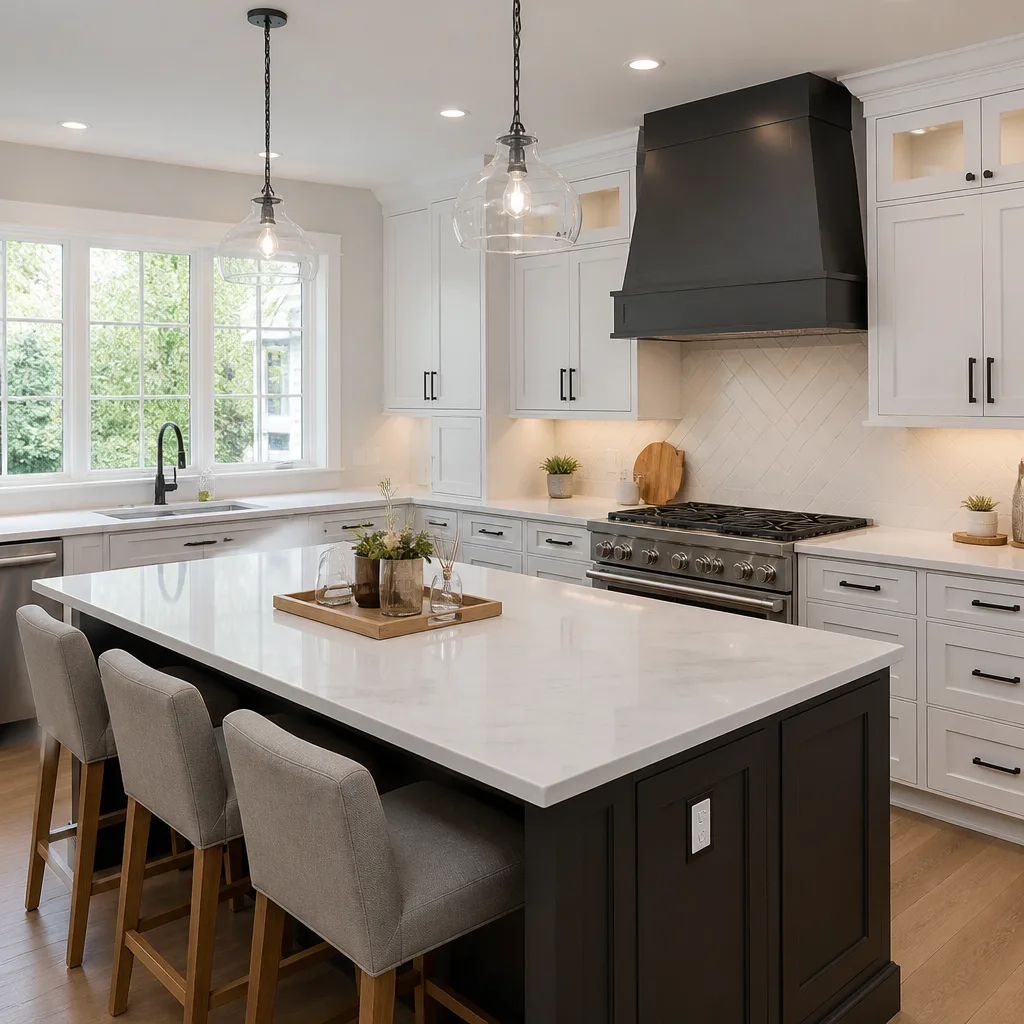
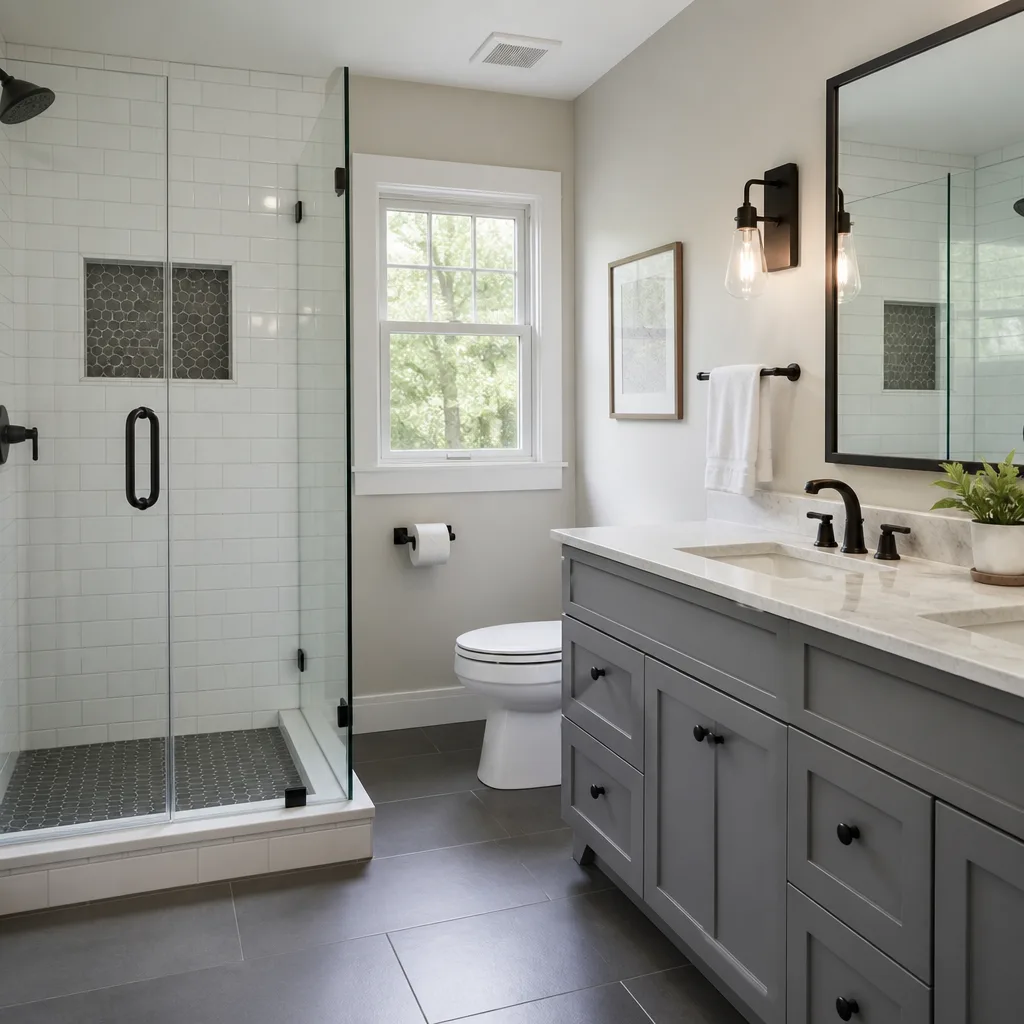
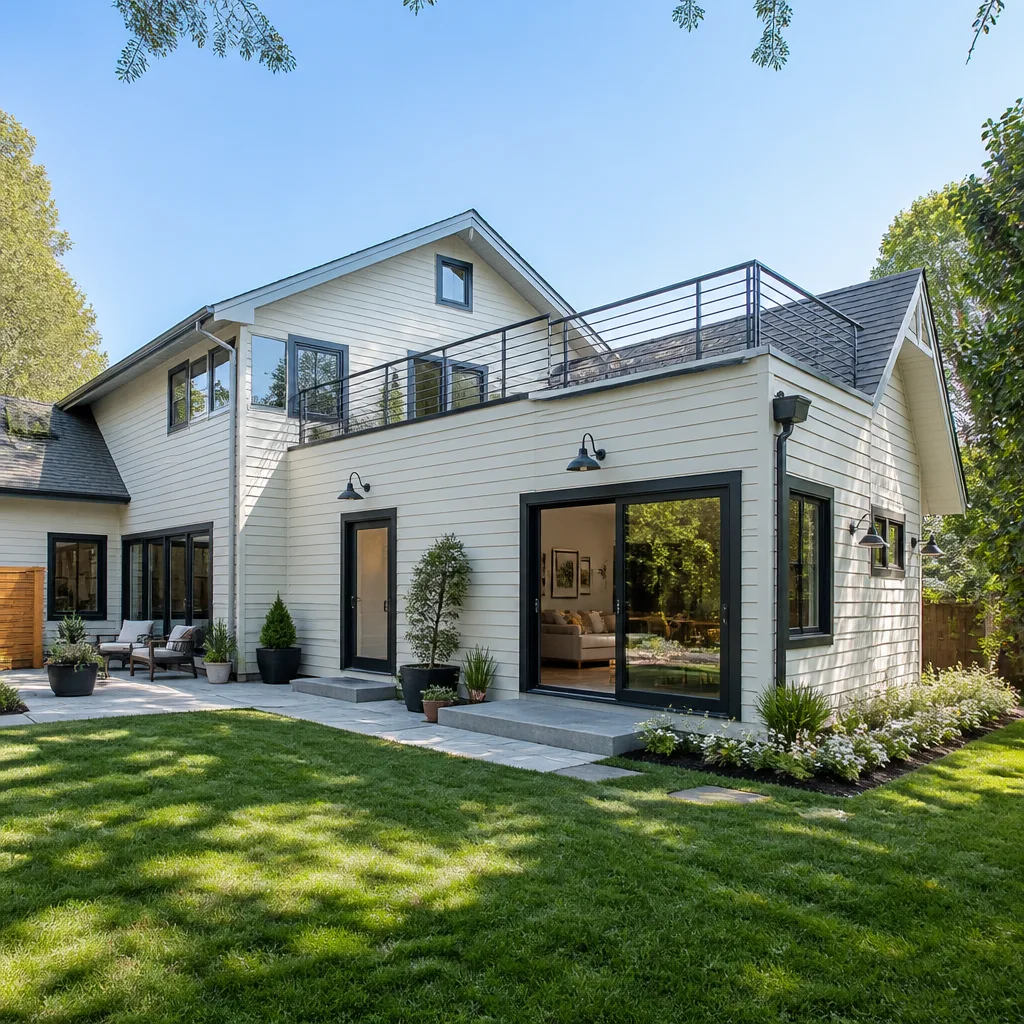
 Before
 After
After Before
 After
After Before
 After
AfterHow Much Does Glass Railing Installation Cost in Anaheim?
Glass railing installation in Anaheim, CA typically costs $150 to $450 per linear foot, all-in, with most residential projects landing between $4,500 and $18,000 depending on system type, glass thickness, and the complexity of the substrate. A straightforward 30-linear-foot deck railing using a frameless tempered glass system will run most Anaheim homeowners somewhere in the $6,500 to $10,000 range once materials, hardware, and labor are factored in. Glass Railing Installation in Anaheim by Rowan Construction Group is quoted with a flat written price before any work begins – no ranges quoted at the door and revised upward once the crew shows up.
Glass Railing Installation Cost Breakdown (2026)
Glass railing pricing in Anaheim breaks down differently than most homeowners expect. The glass itself is rarely the biggest line item – installation labor, structural anchoring hardware, and any needed substrate repair often add up to more than the panels do. Below is how a typical Anaheim project looks line by line.
| Line Item | Low End | High End | Notes |
|---|---|---|---|
| Tempered glass panels (3/8″ standard) | $45/sq ft | $80/sq ft | Most residential decks and balconies |
| Laminated glass panels (7/16″ to 1/2″) | $75/sq ft | $130/sq ft | Required at some pool perimeters; holds together on impact |
| Top rail (stainless steel, continuous) | $25/lin ft | $55/lin ft | Wood cap rail is cheaper but degrades faster in Anaheim sun |
| Base shoe / channel hardware | $30/lin ft | $70/lin ft | Surface-mount vs. core-drilled affects cost and code compliance |
| Spigot / standoff system (frameless) | $80/lin ft | $180/lin ft | Each spigot carries a point load – structural review sometimes needed |
| Semi-frameless aluminum framing | $40/lin ft | $90/lin ft | Posts every 4-6 ft; more affordable than full frameless |
| Installation labor | $50/lin ft | $120/lin ft | Stairs and curved sections are billed higher |
| Permit (City of Anaheim) | $150 | $500+ | Required when railing is at a change in elevation of 30″ or more |
| Substrate repair or deck reinforcement | $300 | $2,500+ | Older homes in West Anaheim often need ledger board or post work first |
| Stair railing (glass, per flight) | $1,800 | $5,500 | Angled cuts and code-compliant graspable rail adds cost |
What a Complete Project Costs in Anaheim
For a 40-linear-foot second-story deck railing using a semi-frameless system with a continuous stainless top rail, most Anaheim homeowners pay $7,000 to $12,500, including permit and cleanup. Stepping up to a fully frameless spigot system on the same deck moves the number to $12,000 to $18,000. A simpler ground-floor patio application – say, a 20-linear-foot privacy partition on a flat slab in an Anaheim Hills property – can come in around $4,500 to $7,000 using a surface-mount channel with 3/8″ tempered panels.
Those ranges shift based on a handful of variables specific to this market. Anaheim’s mix of post-war tract homes in neighborhoods like Colony Park and newer construction near the Platinum Triangle means substrate conditions vary widely. A 1960s-era deck in North Anaheim may need significant ledger repair before any railing hardware can be anchored properly, while a newer build in Anaheim Hills often has a poured concrete balcony that accepts core-drilled spigots without additional reinforcement. That’s the kind of site-specific detail that changes the number – and the reason Rowan Construction Group puts the actual scope in writing before any work starts, under Clause 1 of the Haven Standard.
What Affects Glass Railing Installation Pricing in Anaheim
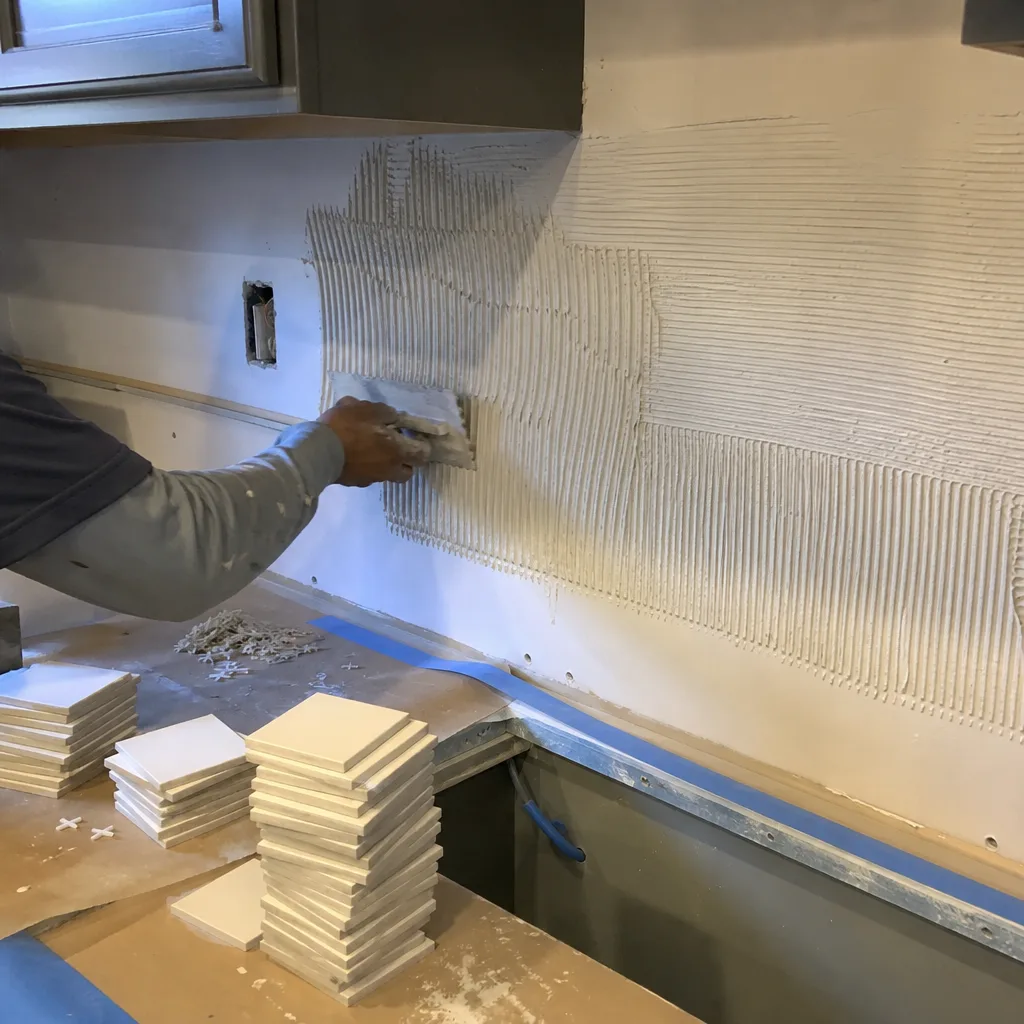
- System type – frameless vs. semi-frameless vs. framed: A fully frameless spigot system uses no vertical posts, which produces the clean unobstructed view most homeowners are after. It also places the entire load on point-anchored hardware rather than distributed framing, which means heavier glass (usually 1/2″) and higher material cost. Semi-frameless systems with aluminum posts every four to six feet use thinner glass and cost 25 to 40 percent less for comparable linear footage.
- Glass type and thickness: Standard 3/8″ tempered glass covers most Anaheim residential applications. Pools, hot tubs, and locations where the California Building Code requires a “climbable” barrier deterrent may require 7/16″ or 1/2″ laminated glass, which holds together when broken rather than shattering. That upgrade adds $30 to $50 per square foot to material cost alone.
- Linear footage and configuration: Straight runs are the most efficient to install. Every inside corner, outside corner, or stair section adds cutting time, custom angle work, and hardware. A project with three corners and a single stair flight will cost meaningfully more per linear foot than a straight 40-foot deck run of the same total length.
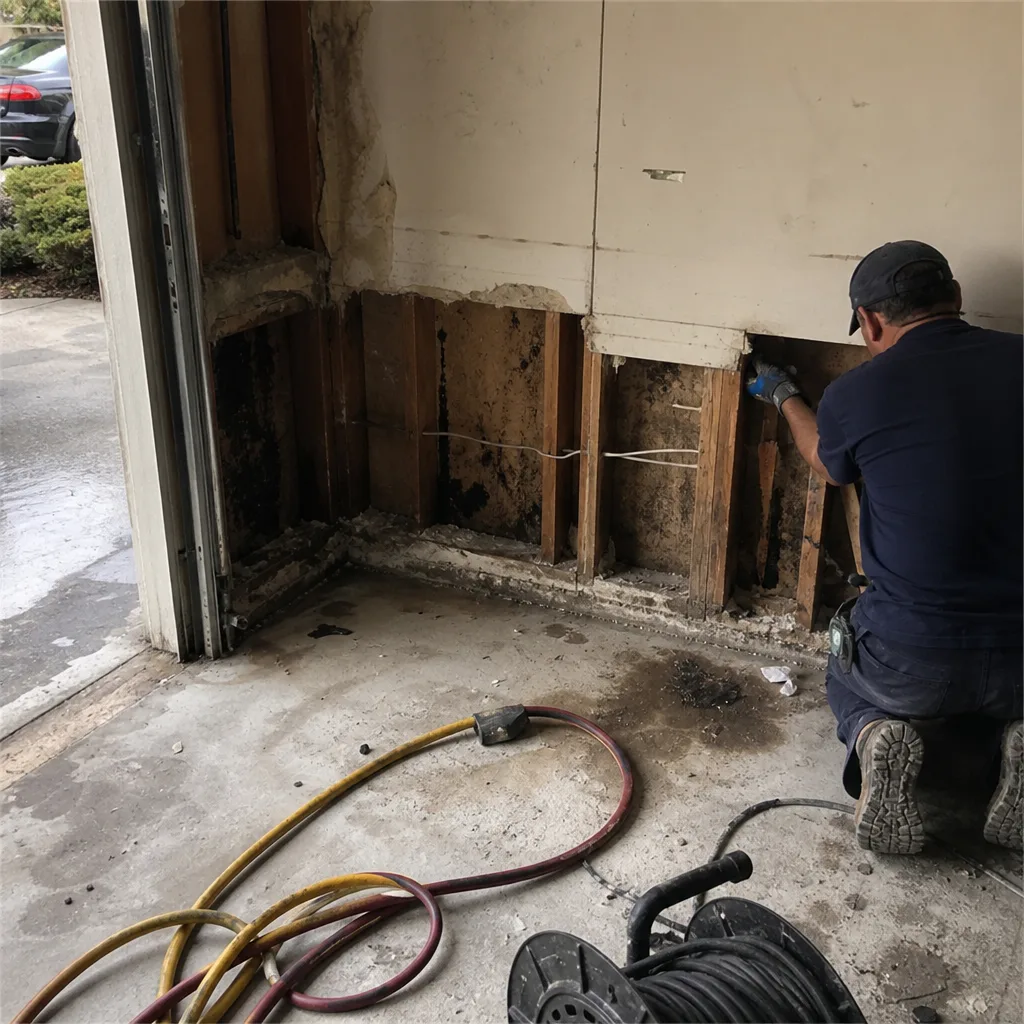
- Substrate and attachment method: Core-drilling into concrete (common on Anaheim Hills balconies) is precise but labor-intensive. Surface-mount channel on a wood deck is faster but only viable if the framing is structurally sound. Rotted ledgers, undersized joists, or posts that have shifted over time all add substrate repair cost before the railing work begins. In older West Anaheim neighborhoods, budget an extra $500 to $1,500 for this contingency if the deck hasn’t been inspected recently.
- Height and access: Ground-floor patio work requires minimal staging. Second-story or rooftop installations require scaffolding or at minimum pump jacks and safety lines, which adds labor time and occasionally equipment rental cost. Anaheim’s tract home layouts often create tight side-yard access that slows material staging on upper decks.
- Local permit requirements: The City of Anaheim requires a building permit when a railing guards a drop of 30 inches or more above the floor or grade below, per CBC Section 1015. The permit fee runs $150 to $500 depending on project valuation, and an inspection is required before the job closes. Skipping the permit saves money on day one and creates a disclosure problem when the property is sold – something Anaheim title companies flag routinely on deck and balcony improvements.
- Tinted or frosted glass: Clear tempered is the baseline price. Bronze, gray, or blue tints add $10 to $25 per square foot. Frosted or acid-etched finishes for privacy applications add $15 to $40 per square foot. These are popular on interior balconies in mixed-use loft conversions near the Anaheim Packing District, where sightlines between units are a real concern.
 Before
 After
AfterFrameless vs. Semi-Frameless vs. Framed: Which Makes Sense in Anaheim?
These three categories cover nearly every residential glass railing project in Anaheim, and the choice affects both the final number and the long-term maintenance picture.
Frameless Glass Railing
Frameless systems – where the glass is the structure, held by spigots or a continuous base channel with no vertical posts – cost the most and look the most minimal. They’re the right choice when the view or the architecture is the point: Anaheim Hills properties with canyon or city-light sightlines, high-end kitchen remodels where an interior stair railing needs to disappear visually, or newer Platinum Triangle condos where the design language is deliberately spare. Expect $200 to $450 per linear foot installed for a quality frameless system using 1/2″ tempered or laminated glass and 316-grade marine stainless hardware.
The maintenance tradeoff is real. Frameless glass shows fingerprints, water spots, and construction dust in a way that framed systems don’t. In Anaheim’s dry summers, mineral deposits from irrigation overspray are a recurring issue on ground-level patio installations. Plan for periodic cleaning with a non-abrasive glass cleaner – most homeowners find quarterly cleaning adequate.
Semi-Frameless Glass Railing
Semi-frameless systems use aluminum or steel posts at regular intervals, typically four to six feet, with glass panels infilled between them. The posts are visible but slim, and a continuous top rail ties everything together. This is the most common choice for Anaheim residential decks and balconies because it balances view, cost, and structural simplicity. Installed cost runs $120 to $280 per linear foot. The aluminum posts are powder-coated and hold up well in Anaheim’s climate without the corrosion concerns that affect coastal installations closer to the ocean.
Framed Glass Railing
Fully framed systems use aluminum or steel framing around each glass panel. They’re the most affordable and the most forgiving structurally, but the frame is visually prominent. They’re appropriate for commercial applications, pool fencing with a safety-first mandate, or projects where budget is the primary driver. Expect $80 to $160 per linear foot installed. For most Anaheim homeowners who are adding glass railing for curb appeal or resale value, the semi-frameless option offers a better return on the incremental spend.
Glass Railing and Anaheim Building Code: What You Actually Need to Know
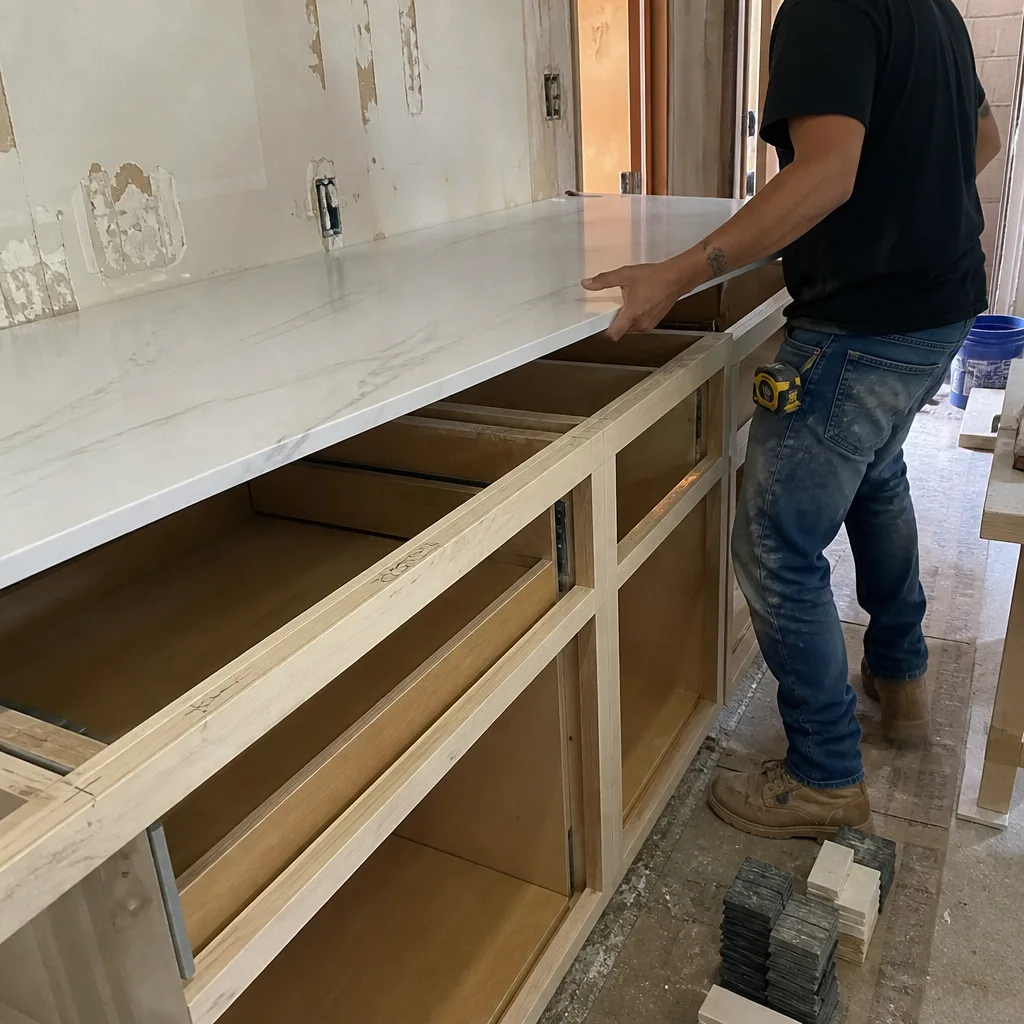
California’s building code governs glass railing installations statewide, and the City of Anaheim enforces it through its Building and Safety division. A few specifics are worth knowing before you get quotes.
- Glass used in railing systems must be safety glazing – tempered, laminated, or a laminated tempered combination. Standard annealed glass is not permitted. Any quote that doesn’t specify the glazing type in writing is an incomplete quote.
- The railing must be 42 inches tall at walking surfaces where the drop exceeds 30 inches, per CBC Section 1015.3. This is taller than many homeowners expect from older installations – a 36″ railing that’s been there for years may not be code-compliant today.
- The “4-inch sphere rule” applies: no opening in the railing system should allow a 4-inch sphere to pass through. This affects glass panel spacing and hardware gap sizing.
- Structural glass panels must meet the load requirements in CBC Section 2407 – specifically a concentrated load of 200 pounds applied at any point along the top in any direction, and a uniform load. This is why glass thickness and anchoring method aren’t aesthetic choices; they’re engineering choices.
- Pool barrier requirements in Anaheim are governed by CBC Section 3120 and require a separate barrier permit in most cases. Glass panels used as pool barriers must meet additional impact resistance standards.
Rowan Construction Group pulls permits and schedules inspections as a standard part of every glass railing project in Anaheim. The permit cost is included in the written price upfront – it’s not added as a surprise line item after the signed contract. That’s Clause 1 of the Haven Standard in practice: the number on the page is the number you pay.
How to Save on Glass Railing Installation in Anaheim
There are legitimate ways to reduce project cost without compromising the installation. There are also ways that look like savings and create problems later. Here’s the honest breakdown.
Choose Semi-Frameless Over Fully Frameless Where the View Allows
If you don’t have a canyon view or a specific design reason to eliminate every post, a semi-frameless system in powder-coated black aluminum reads nearly as clean as frameless from a conversational distance. The cost difference is typically $80 to $150 per linear foot – on a 40-foot deck, that’s $3,200 to $6,000 in real savings.
Keep the Layout Simple
Corners, returns, and stair sections are where labor costs climb. If a project can be designed to minimize directional changes – a single straight run rather than an L-shape, for instance – the installed cost per linear foot drops. If you’re early in the planning stage, discussing layout with the contractor before finalizing the deck design can save money without changing the outcome you’re after.
Address Substrate Issues Before the Railing Quote
If your existing deck or balcony has deferred maintenance issues – soft spots, corroded ledger hardware, cracked concrete – getting those repaired separately, before the railing quote, gives you cleaner pricing. Substrate repairs discovered mid-installation require a signed change order (Rowan Construction Group never starts that work without one), but they also extend the timeline and add mobilization cost. A quick structural look before the project kicks off avoids the most common mid-project surprise.
Get a Second Opinion on Any Written Estimate
Rowan Construction Group offers a Free Second Opinion on any written estimate – bring in a competitor’s quote and we’ll review it line by line at no charge. This service exists because glass railing quotes vary significantly in what they include. Some quotes specify 3/8″ glass; others leave thickness out entirely. Some include permit; many don’t. A line-by-line comparison tells you what you’re actually being asked to pay for.
Time the Project Strategically
Anaheim’s construction market tends to slow slightly in January and February. Scheduling a glass railing project in that window doesn’t guarantee a lower price, but it often means faster scheduling and more crew availability – which keeps the project on track and avoids the carrying costs that come with a job that drags. Call (562) 245-4592 for a free written estimate; the estimate is free, the price is flat, and the scope is documented before any work starts.
Don’t Skip the Permit to Save $150 to $500
This one falls in the false economy category. An unpermitted railing on a Anaheim property gets flagged during escrow, requires retroactive permitting (which is more expensive and more intrusive than doing it correctly the first time), and can delay or kill a sale. The permit fee is a small fraction of a glass railing project budget and it protects the entire investment.
Glass Railing vs. Other Railing Materials: Is Glass Worth It in Anaheim?
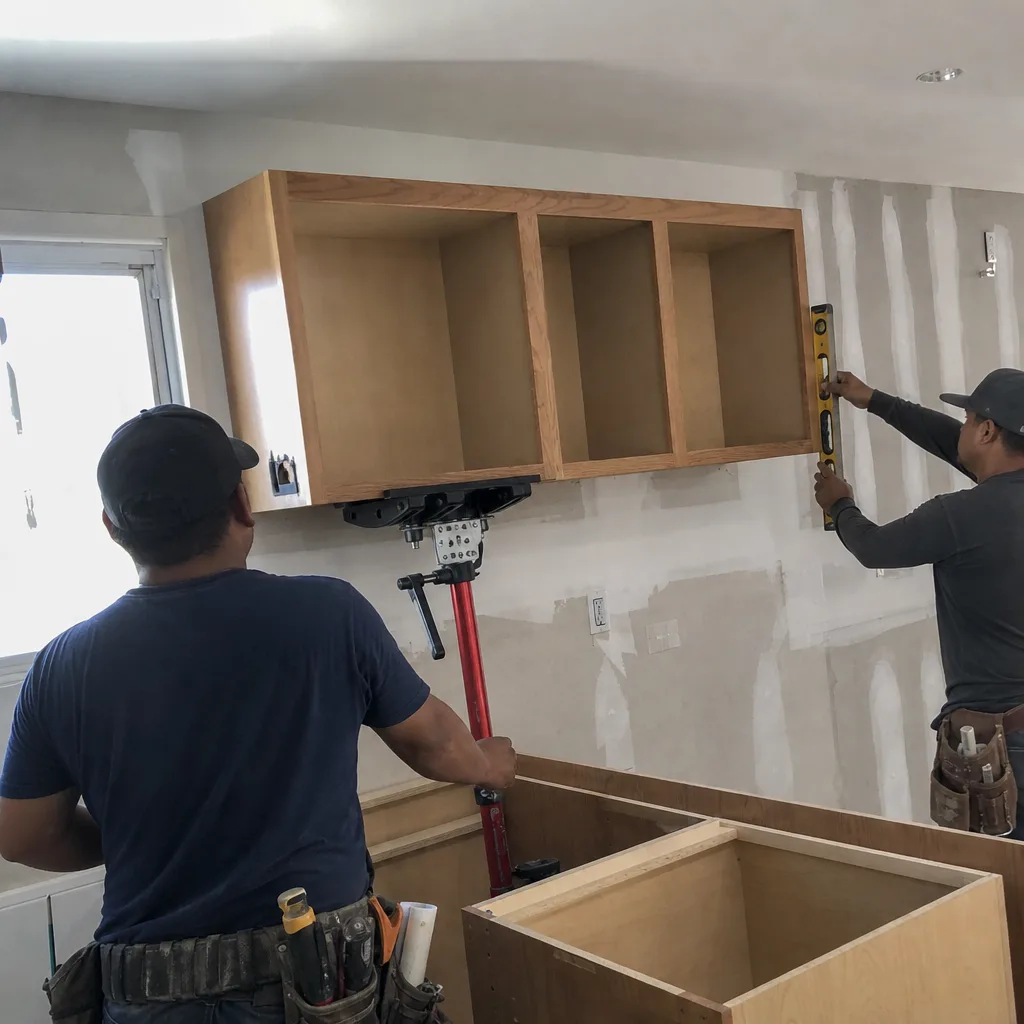
Cable railing runs $100 to $250 per linear foot installed in Anaheim, making it meaningfully less expensive than frameless glass. Aluminum picket railing comes in at $60 to $140 per linear foot. Wrought iron runs $150 to $300 per linear foot for custom work.
Glass costs more upfront. The return on that cost depends on the specific application. In Anaheim Hills, where canyon and hillside views are the asset, glass railing is the obvious choice – installing aluminum pickets in front of a $300,000 view is a poor trade. On a flat lot in Anaheim with no particular sightline to protect, cable railing or aluminum picket may deliver the same curb appeal at 40 to 60 percent of the cost.
From a resale perspective, Anaheim buyers in the $700,000-and-above price bracket respond well to glass railing on balconies and pool areas. Below that price point, the material premium is harder to recapture in the sale price. That’s market context, not a reason to avoid glass – it’s a reason to factor the application honestly when you’re deciding.
FAQs: Glass Railing Installation Cost in Anaheim
How much does glass railing installation cost per linear foot in Anaheim?
Glass railing in Anaheim costs $80 to $450 per linear foot installed, depending on system type. Fully framed systems start around $80 to $160 per linear foot. Semi-frameless runs $120 to $280 per linear foot. Fully frameless spigot or channel systems, the most popular choice for high-visibility applications, cost $200 to $450 per linear foot. Those ranges assume code-compliant hardware, safety glazing, and installation labor. Permit cost is separate unless specifically included in the written quote – and with Rowan Construction Group, it’s always included. Call (562) 245-4592 for a free written estimate with the permit line itemized.
Does glass railing installation require a permit in Anaheim?
Yes, in most cases. The City of Anaheim requires a building permit when the railing guards a drop of 30 inches or more, which includes virtually every second-story deck, balcony, stair, and pool perimeter application. The permit fee runs $150 to $500 depending on project valuation, and a city inspection is required before the project closes. Skipping the permit saves money on day one and creates a disclosure obligation that title companies in Anaheim routinely catch during escrow. Rowan Construction Group pulls permits as standard – it’s in the written price before work starts, not added afterward.
How long does glass railing installation take in Anaheim?
A typical 30 to 50-linear-foot residential project in Anaheim takes one to three days of installation once materials are on site. The longer timeline on that range reflects stair sections, corners, or any substrate work that needs to happen first. Permit approval from the City of Anaheim’s Building and Safety division typically adds one to three weeks to the overall project timeline – that’s the scheduling reality for any permitted railing project in this city, and it’s worth building into your planning. Rowan Construction Group submits permit applications as soon as the contract is signed, so the clock starts immediately.
Is frameless glass railing worth the extra cost?
Frameless glass railing costs 50 to 150 percent more than semi-frameless on a per-linear-foot basis. Whether that premium is worth it depends on what the railing is doing. If it’s in front of a view – a hillside in Anaheim Hills, a pool with landscaping behind it, an interior stair in a remodeled kitchen that needs to disappear visually – the frameless system earns its cost. If the railing is on a flat lot with no particular sightline, a semi-frameless system in powder-coated black aluminum achieves a similar aesthetic at significantly lower cost. Ask to see both options priced in writing side by side; the number usually clarifies the decision.
What’s included in a glass railing installation quote from Rowan Construction Group?
Every quote from Rowan Construction Group includes: a written scope describing the system type, glass specification (thickness, type, any tint), hardware finish, linear footage, and attachment method; a flat price with the permit fee included; and a written warranty. No work proceeds without a signed change order if anything changes from the original scope – that’s the administrative discipline that has kept Rowan’s projects within a few percent of the agreed price across more than 4,000 jobs since 2007. The quote also includes what Rowan won’t do: there’s no “call us and we’ll give you a range” option. Under Clause 1 of the Haven Standard, the price is written before anyone picks up a tool. Call (562) 245-4592 to schedule a free estimate – the estimate is free, the scope is documented, and the price is flat.
How do glass railings hold up in Anaheim’s climate?
Anaheim’s climate is genuinely favorable for glass railing systems. The dry inland heat that averages around 10 to 12 days above 100°F each summer doesn’t affect tempered or laminated glass structurally. The UV exposure does matter for hardware finishes and any wood cap rail components – powder-coated aluminum holds up significantly better than painted steel in prolonged sun exposure, and 316-grade marine stainless is the appropriate choice for exterior hardware even inland, since Anaheim’s warm summers create conditions where lower-grade stainless can pit over time. Irrigation overspray is a more practical concern: mineral deposits from hard water leave calcium staining on glass panels near ground-level landscaping, and they’re easier to prevent with a simple irrigation guard than to remove once baked on by summer heat.
Why Rowan Construction Group for Glass Railing in Anaheim
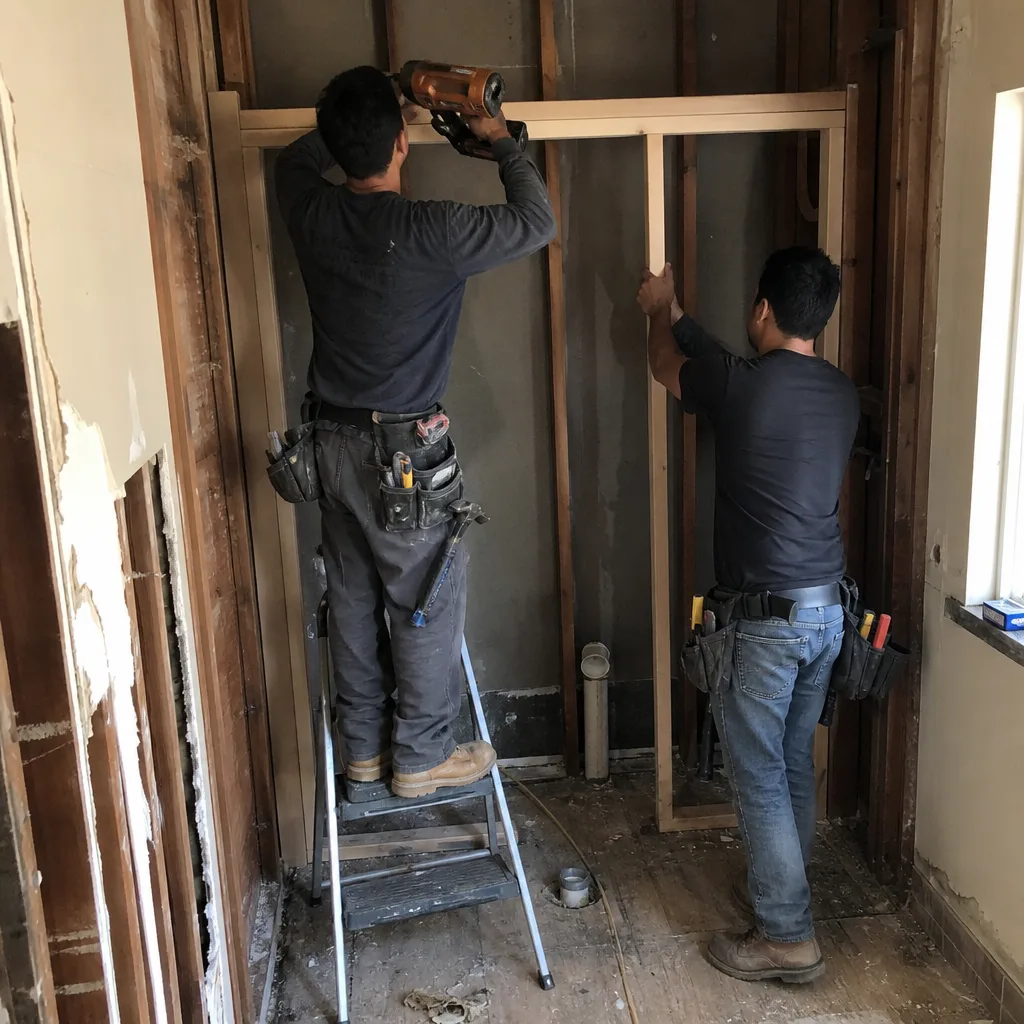
Grant Rowan founded this company in 2007 with one operating principle: the price goes in writing before the crew goes to work. Across more than 4,000 projects since then – kitchen remodels, bathroom remodels, fencing, roofing, driveways, home additions, and now glass railing – that principle hasn’t changed. The Haven Standard codifies it: Clause 1 is the written price, Clause 2 is the signed change order before any scope change proceeds, and the 365-Day Done Right Promise is the backstop when something isn’t right.
For glass railing specifically, that discipline matters more than it might seem. Glass railing quotes from other contractors frequently omit permit costs, underspecify glass thickness, or exclude substrate work that almost always surfaces during installation. A quote that doesn’t name the glass spec and include the permit line isn’t a real quote – it’s a starting number that moves. Rowan’s quotes don’t move unless the scope changes, and scope changes don’t start until you’ve signed the change order that describes them.
Every Rowan crew member is background-checked and uniformed. Every visit includes a documented photo record – what we found, what we did, what we left – delivered as a standard part of the project file, not an optional add-on. A live person answers calls at (562) 245-4592 around the clock, because a question that comes up at 9pm about a permit timeline or a hardware finish shouldn’t have to wait until Monday.
If you have a written estimate from another contractor, bring it in. Rowan’s Free Second Opinion service reviews competitor quotes line by line at no charge – not to tell you the other quote is wrong, but to show you what it does and doesn’t include so you can compare on equal terms. That’s a standing offer on every project we quote, across every trade we work in Anaheim.
To get a free written estimate for glass railing installation on your Anaheim property, call (562) 245-4592. The estimate is free. The price is flat. The scope is written before any work starts. That’s how it’s worked here since 2007, and it’s how it works on your project too. You can also learn more about our full range of residential construction work on our home page.
Written by Grant Rowan, Owner at Rowan Construction Group, serving Anaheim, CA since 2007.
Pricing reflects the Anaheim market as of 2026. Rowan Construction Group Anaheim offers free estimates – call (562) 245-4592.
What Our Customers Say
"Good communication throughout. Weekly written update meant I never had to chase them."
- Nadine G."Driveway replaced properly with a base that will actually last. They explained why the cheaper quote was cheaper."
- Reggie O."Final invoice was within two percent of the contract. Every change was priced and signed before anyone picked up a tool."
- Malcolm T.